
 Posts
Posts


Taiwan learning from Ukraine's audacious asymmetric attack on Russia
Ukraine's audacious, creative, and, apparently, highly successful counterattacks on strategic targets across Russia have already challenged traditional assumptions and concepts of modern asymmetric warfare -- i.e. unconventional strategies and tactics adopted by a force when the military capabilities of powers are significantly unequal.
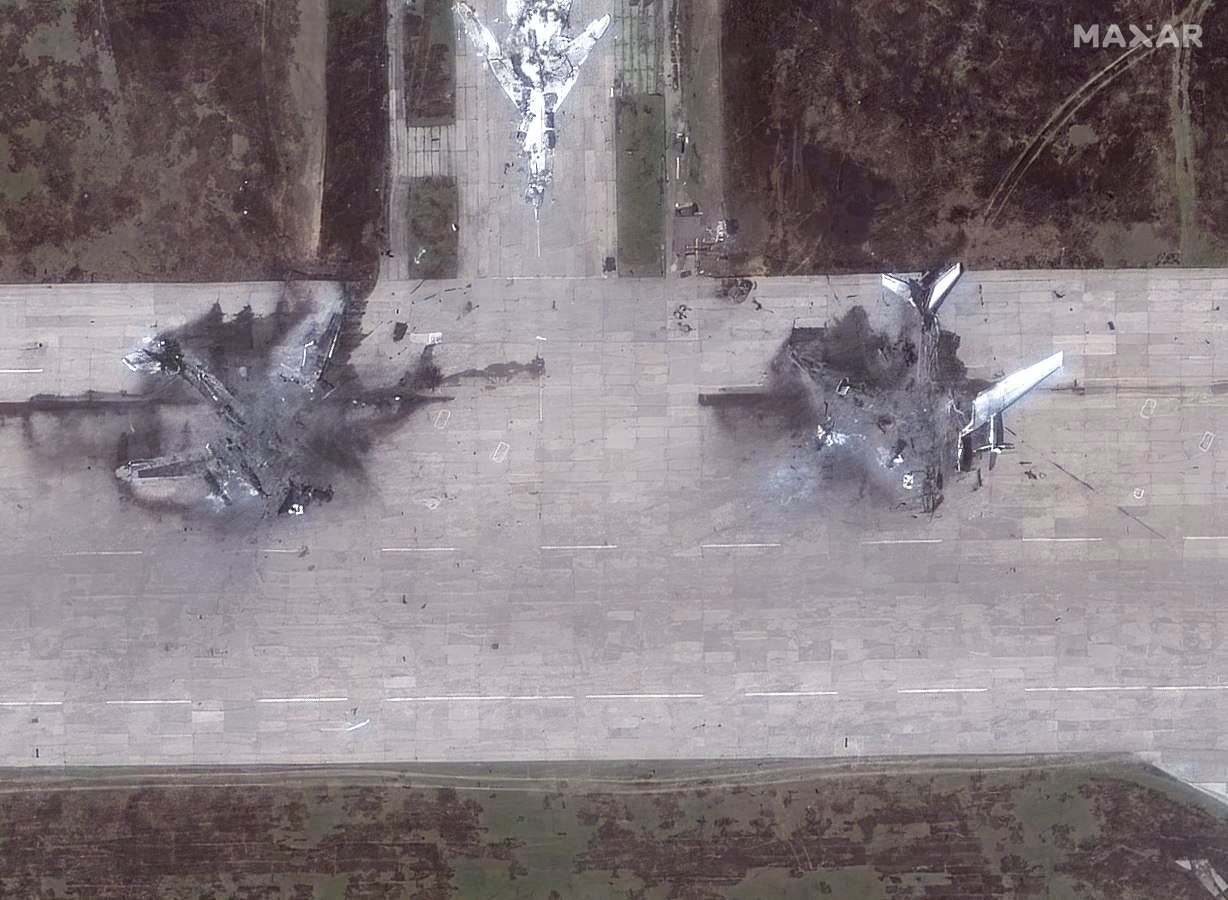 Taiwan has been closely watching Ukraine's moves against its formidable neighbor, writes Derek Grossman. In the early days of the war, the Ukrainian resistance employed asymmetric defensive strategies, some of which Taipei has since attempted to replicate in preparation for a potential Chinese invasion. But now, Taiwan is keen on learning more about Kyiv's asymmetric offensive strategies as well.
Taiwan has many potential options to not only conduct defensive asymmetric operations against a Chinese invasion, but also offensive asymmetric operations to retaliate and change the course of the war, as Ukraine has done.
That said, whether Taipei pulls the trigger will greatly depend on what assets and personnel it may already have in place and its willingness to drastically escalate a war with Beijing. Much will also depend on Taiwan's most important security partner -- the U.S.
Also seen in their mixed messages on Israel's attack on Iran this week, ASEAN is caught in a Gaza dilemma, Imran Khalid argues. For Muslim-majority nations such as Indonesia and Malaysia, the Gaza issue is not abstract diplomacy. It's emotionally and politically charged.
But ASEAN is, after all, not woven from a single thread. Singapore, with its diverse demographics, is walking a tightrope of pragmatism. Vietnam, wary of offending both Washington and Beijing, has maintained a studied neutrality. The Philippines, bound by labor remittances from overseas workers in Israel and deep U.S. security ties, has confined itself to humanitarian expressions.
Gaza may yet be ASEAN's defining moral test. In a world weary of West-versus-East binaries, ASEAN has the rare capacity to speak with the voice of the Global South. But if that voice falters now, how will it be heard when the next crisis comes knocking?
Meanwhile, Dien Luong and Hoang Thi Ha praise Vietnam's high-stakes gamble in tariff negotiations, but argue that this bold gambit won't work for many other nations. And Waka Ikeda writes that gender segregation won't fix Japan's "chikan" groping problem.
Sunday, June 15, 2025
Taiwan learning from Ukraine's audacious asymmetric attack on Russia

Subscribe to:
Post Comments (Atom)


No comments:
Post a Comment
Note: Only a member of this blog may post a comment.