
 Posts
Posts


The UK must be ‘prepared’ for a real-world attack by Russia, the government said today.
An extra £6 billion investment for military capabilities has now been announced, with Defence Secretary John Healey saying the money would also be spent on drones, ships and 7,000 UK-built long-range weapons.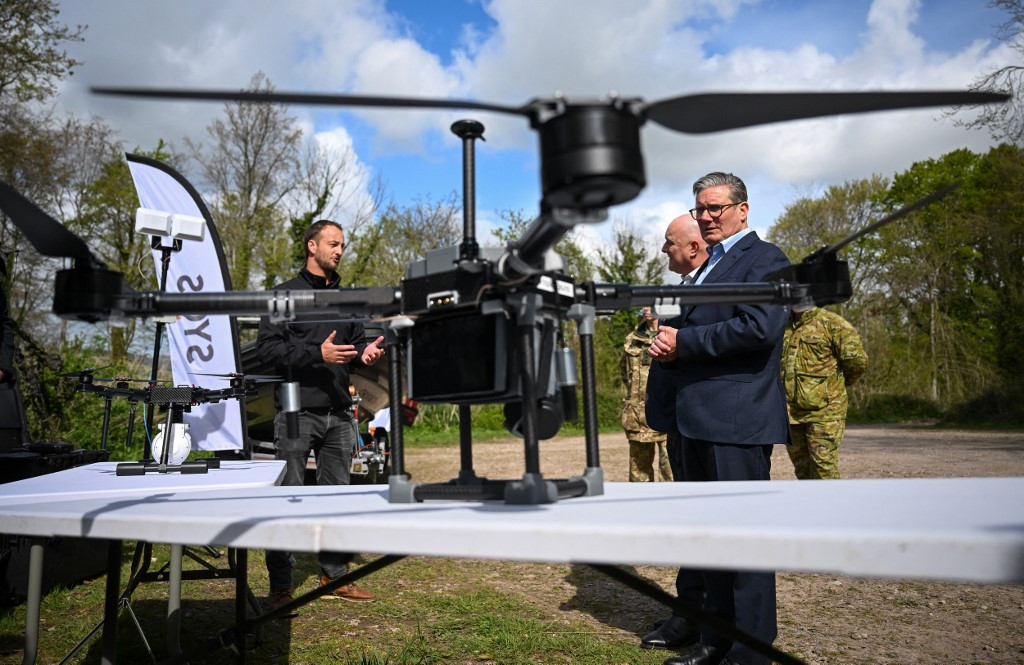 Around £1.5 billion of it will go to building at least six new factories to build weapons, producing things like explosives and pyrotechnics.
They will operate on an ‘always on’ basis meaning production can be easily scaled up if needed, the government said.
More will be invested in tech to stop tens of thousands of Russian cyberattacks.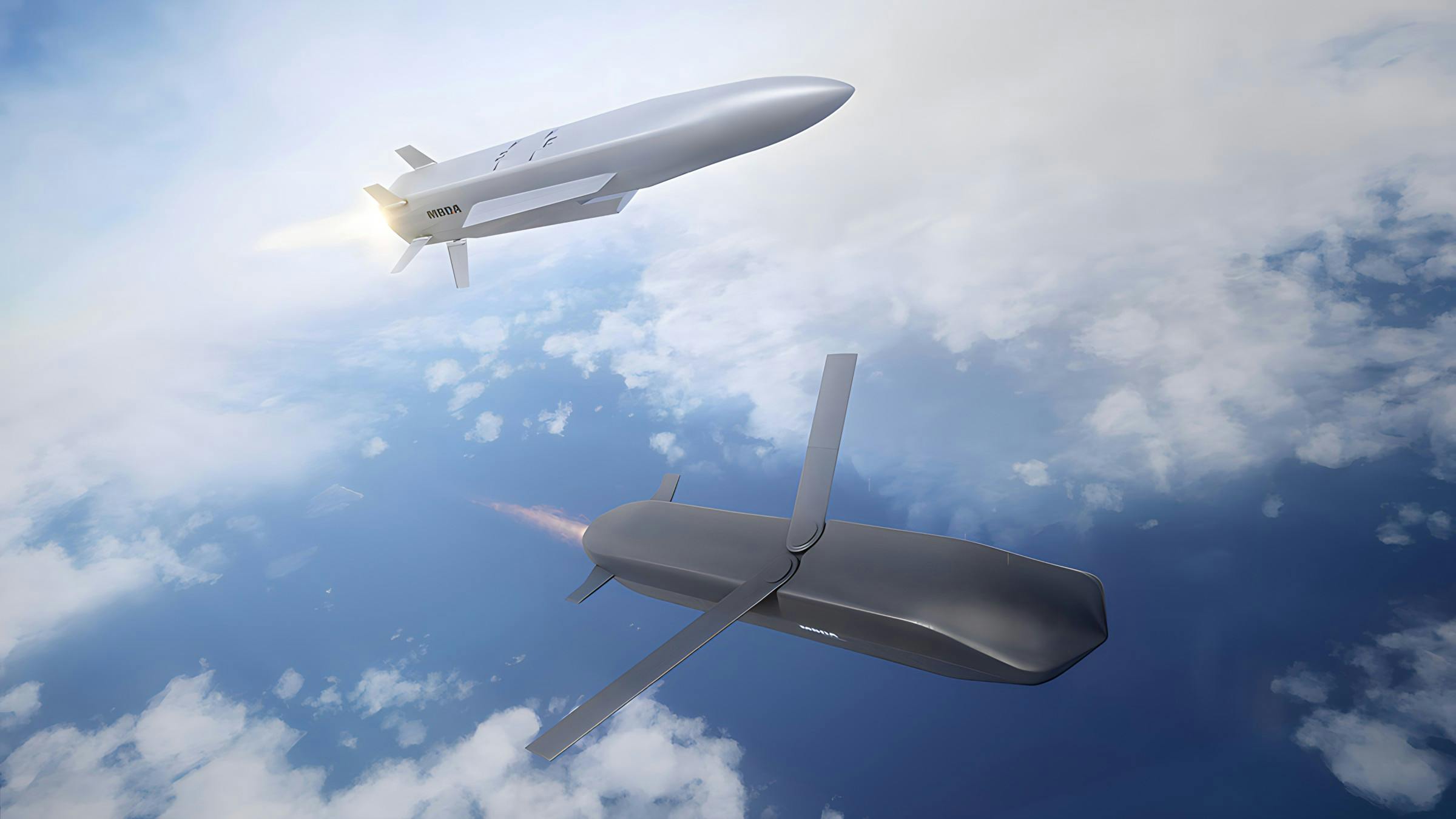 It comes as Russia and Ukraine continue to bitterly wage war, with some of the worst attacks seen so far, even as peace is constantly claimed to be within reach.
Craig Munro breaks down Westminster chaos into easy to follow insight, walking you through what the latest policies mean to you. Sign up here.
Mr Healey said that the UK’s new spending was a ‘message to Moscow’, and was necessary to show that the country would not be an easy target. He said that the change would ‘equip our forces for the future’ as well as creating 1,800 jobs around the country.
He told the BBC’s Sunday Morning With Laura Kuenssberg programme that Russia is ‘attacking the UK daily’, with some 90,000 cyber attacks from state-linked sources detected over the last two years.
Asked if he expected a form of real-world attack by Russia on the UK in the coming years, he said: ‘We have to be prepared. Nato has to be prepared. We see Putin in Ukraine trying to redraw international boundaries by force … it’s part of the growing Russian aggression.’
Tomorrow, the Strategic Defence Review – a report into the country’s capabilities and weaknesses – will be published, after it was commissioned a year ago, when Labour took power. 
It will set out how the government intends to counter these threats, including plans to reach 2.5% of GDP spending on defence by 2027, and an ‘ambition’ to hit 3% in the next parliament, after pressure from US president Donald Trump that Nato members should be spending at least 5%.
A cyber command to counter online threats is also being set up as part of the review.
And more than £1.5 billion in extra funding will go to urgent repairs to military homes, such as fixing boilers and roofs, and tackling damp.
Is the UK increasing the size of the Army?
This isn’t part of the plans currently.
In fact, the Army is shrinking, because more people are leaving than joining.
‘The first job is to reverse that trend and then I want to see in the next parliament our ability to start to increase the number,’ Mr Healey said.
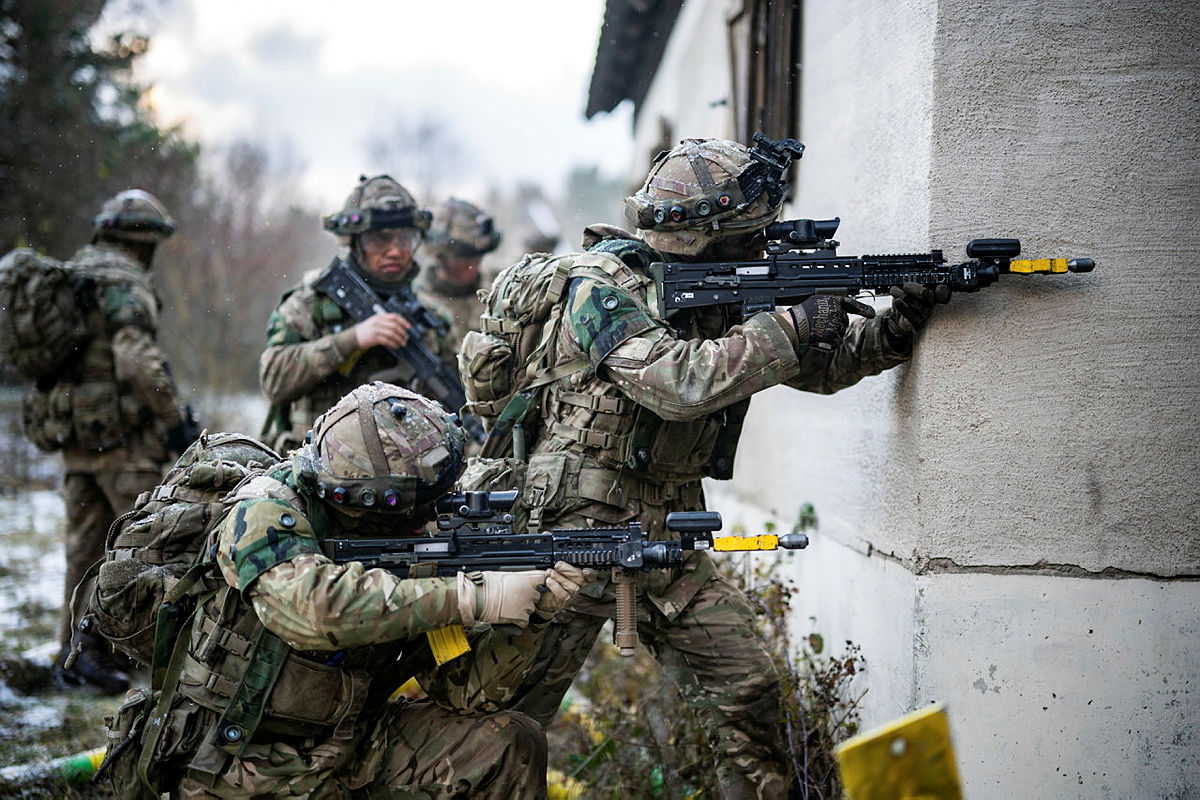 In January this year, there were 71,151 regular soldiers in the British Army.
It comes after the Conservative government introduced the ‘Future Soldier’ change in 2021, aimed at reducing the size of the force to 73,000 to cut costs and better respond to modern warfare.
But Mr Healey said there were now even less than that, but he doesn’t expect progress towards raising the number until the next parliament.
Writing in the Mirror, Defence minister Alistair Cairns said there were plans to increase cadet numbers by 30%, with new opportunities for young people to join the armed forces.
‘2034 is a long time to wait’
Tory politicians welcomed the plans, but said more was needed sooner.
Shadow justice secretary Robert Jenrick said he was ‘sceptical’ as to whether all the money would end up being spent, and told Sky News: ‘We think that 2034 is a long time to wait given the gravity of the situation’.
On the other hand, some are unhappy with what it shows about government priorities.
In February, the Green Party wrote an open letter to Mr Healey saying there should be an ‘increase in spending on diplomacy, peace-building and overseas aid in order to improve our security’, not just on building bombs.
Ellie Chowns MP said it was ‘horrifying’ that cuts to the international aid budget would help increase defence spending, saying: ‘How many people will fall ill or die because they cannot access health services; how many more will go hungry? And how many children will be denied an education as a result of this decision?
‘Cutting aid risks making the world more volatile and more dangerous, not safer. Real security means tackling hunger, poverty, and climate chaos.’


No comments:
Post a Comment
Note: Only a member of this blog may post a comment.