
 Posts
Posts


澳洲拟年底前修订出台澳版马格尼茨基法
澳大利亚外交部长佩恩(Marise Payne)8月5日通过声明证实,澳洲政府将在年底前修订类似于美国《全球马格尼茨基人权问责法》澳洲版本的法案。据悉,这一动议得到了澳大利亚联邦议会两个主要政党的支持。
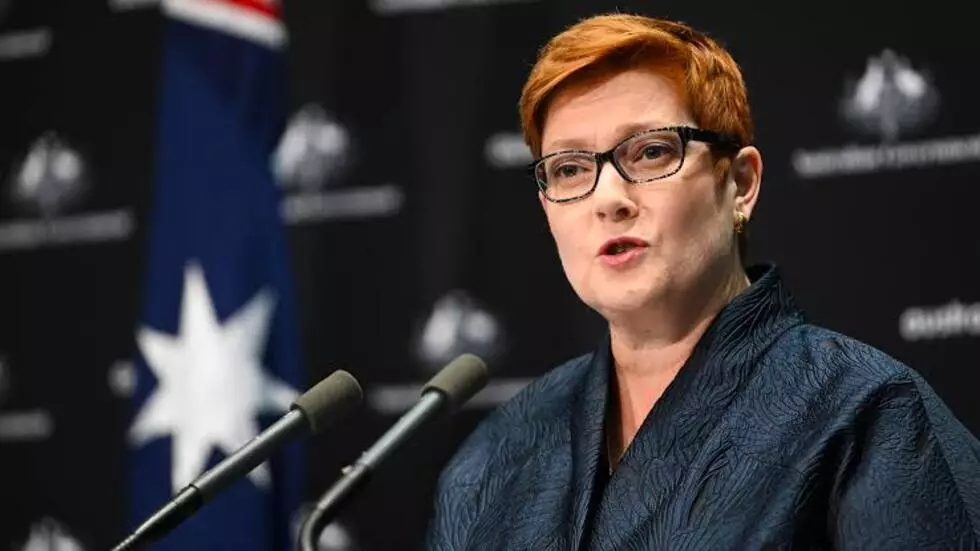
佩恩在声明中写道,“澳洲政府将改革澳大利亚的自主制裁法律并使之现代化,以便能够对国际关注的恶劣行为的实施者进行有针对性的金融制裁和旅行禁令。”她说,“这一改革将扩大澳大利亚目前基于国家的自主制裁框架,以明确可适用制裁的行为主题,如大规模毁灭性武器的扩散、严重侵犯人权、恶意网络活动和严重腐败。”她续指,“一旦确定了行为类型,澳大利亚将有能力对被确定为参与此类应受制裁行为的个人和实体实施有针对性的金融制裁和旅行禁令,无论其发生在何处,而无需建立基于国家的具体制度。”
 佩恩说,“这些改革是作为澳大利亚政府对联邦议会外交、国防和贸易委员会2020年12月发表的报告《犯罪、腐败和有罪不罚:澳大利亚应该加入全球马格尼茨基运动吗?》回应的一部分进行,今天已经提交。”她说,“我于2019年12月将这一调查提交给委员会,并感谢委员会成员对这一重要问题的合作、跨党派的方法和承诺。”佩恩透露称,澳洲政府计划在今年年底前对《2011年自主制裁法》提出修正案,“以实现这些重要的改革”。
 据《世纪报》报导,由总理莫里森(Scott
Morrison)领导的澳洲政府一直面临着压力,要求其概述基于美国《全球马格尼茨基人权问责法》的新制裁法律计划,工党籍参议员基钦(Kimberley
Kitching)本周提出了一项相应法案。去年12月,澳大利亚联邦议会的一项两党调查建议当局颁布澳洲版该法律,此后莫里森政府一直在对此进行研究。
据《世纪报》报导,由总理莫里森(Scott
Morrison)领导的澳洲政府一直面临着压力,要求其概述基于美国《全球马格尼茨基人权问责法》的新制裁法律计划,工党籍参议员基钦(Kimberley
Kitching)本周提出了一项相应法案。去年12月,澳大利亚联邦议会的一项两党调查建议当局颁布澳洲版该法律,此后莫里森政府一直在对此进行研究。
周四的回应中,莫里森政府拒绝了议会调查先前提出的建议,即建立一个独立的机构来建议对哪些人进行制裁,并表示这一决定应该由外交部长单独作出决定。此外,其还拒绝了另一项建议,即澳洲政府应建立一份考虑制裁的人员“观察名单"。当局对此解释说,“为了实现澳大利亚制裁的目标并使其影响最大化,至关重要的是,制裁的潜在对象不能提前收到通知。”
澳自由党籍参议员帕特森(James Paterson)多年来也一直在推动这些立法。他说,此举将“直接针对那些侵犯人权、威胁我国国家安全或从事腐败行为的人”。他说,“这将有助于维护人权,保护澳大利亚免受那些想把不义之财藏在海外的人的影响。”基钦就这一消息亦指,“这一宣布将在那些侵犯人权和大规模腐败的人面前关闭另一扇门”。她说,“这有助于确保他们为国际社会所唾弃,并为我们的价值观划出一条界线。”
The Magnitsky Act, formally known as the Russia and Moldova Jackson–Vanik Repeal and Sergei Magnitsky Rule of Law Accountability Act of 2012, is a bipartisan bill passed by the U.S. Congress and signed into law by President Barack Obama in December 2012, intending to punish Russian officials responsible for the death of Russian tax lawyer Sergei Magnitsky in a Moscow prison in 2009 and also to grant permanent normal trade relations status to Russia.
n 2009, Russian tax lawyer Sergei Magnitsky died in a Moscow prison after investigating a $230 million fraud involving Russian tax officials. Magnitsky was accused of committing the fraud himself and detained. While in prison, Magnitsky developed gall stones, pancreatitis and calculous cholecystitis and was refused medical treatment for months. After almost a year of imprisonment, he was allegedly beaten to death while in custody. Magnitsky's friend Bill Browder, a prominent American-born businessman working extensively in the Russian Federation after the collapse of the USSR, publicized the case and lobbied American officials to pass legislation sanctioning Russian individuals involved in corruption. Browder brought the case to Senators Benjamin Cardin and John McCain, who proceeded to propose legislation.


No comments:
Post a Comment
Note: Only a member of this blog may post a comment.