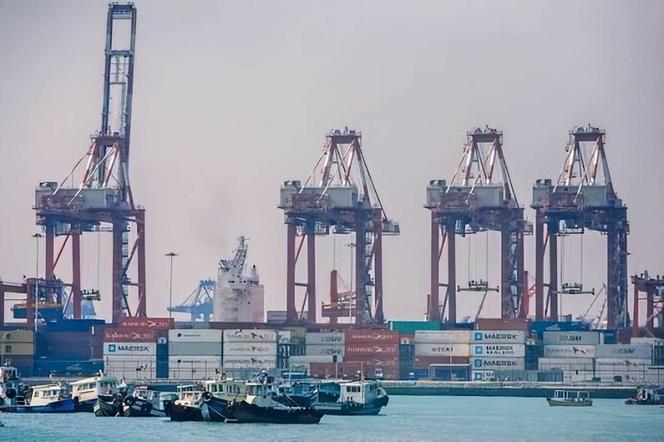
For most of the last two years, investors have bemoaned the lack of AI investment themes in India -- the country has neither a major language model that is globally competitive nor is it an important player in the hardware backbone powering the technology.
The start of the year was especially bloody, as a slew of launches by U.S.-based Anthropic severely dented the weighty shares of India's IT giants, whose work faces major threats from automation.
Over the year, however, some analysts floated the idea that the lack of AI exposure might position Indian markets as an effective hedge.
The theory might now be seeing its first proof of concept,
as foreign investors have returned to India's secondary markets in
droves this month, burnt by the fallout from the rout in AI-related
stocks across Asia and North America. They have piled nearly $9 billion
into the Indian markets on a net basis so far in November, making it the
largest monthly net investment in well over two decades.
The
wider BSE Sensex rose nearly 12% over one month through Tuesday's
close, while the blue-chip Nifty 50 climbed roughly 11% over the same
period. The Indian rupee, meanwhile, also strengthened by about 1.5%
during that time.
The AI trade may have been a major accelerator, but other conditions have also improved for India's secondary markets.
Oil
prices have eased amid a pause in the U.S.-Iran war, bringing relief
for the major energy importer. While the steep sell-off before the
latest rally has also pared valuations considered unfair, earnings for
the quarter through September were strong, with over half of the
companies on the Nifty 50 beating estimates.
Optimism
may be found in the primary markets, where foreign investors have
continued to back Indian companies, and where domestic appetite has been
evident this year as the country hosted its two largest-ever IPOs: Jio Platforms and the National Stock Exchange.
However,
this relief could be fragile, especially if AI-related trades reverse
and energy prices rise again. More structural improvement in
technological and manufacturing capabilities, therefore, will be the
only surefire way to keep foreign investors interested while sustaining
economic growth.
总部位于西班牙的人权组织「保护卫士」于 11 月 6 日发表名为《镇压的公式——中国全球社区控制网格》(A Formula for Repression – China's Global Grid for Community Control)的调查报告。报告指出,中国政府将国内的「网格化社区监控系统」延伸至海外,在全球 91 个国家识别出多达 1,247 个与中国公安或检察机关挂钩的「联络点」与社区枢纽。在加拿大境内,研究人员点名至少存在 18 个相关据点,成为西方国家中渗透最严重的重灾区之一。
An ex-business owner who turned private trader applying technical analysis to trade major FX pairs and indies, commodities and KL futures. He used to write a weekly column in a Chinese daily on local futures markets. A self confessed stern supporter of the Far Right and nothing apologetically about it.
Tun Marvin is not an investment advisory service, nor a registered investment advisor or broker-dealer and does not purport to tell or suggest which securities you should buy or sell for themselves. I may hold positions in the financial instruments discussed here. You understand and acknowledge that there is a very high degree of risk involved in trading all financial instruments. I assume no responsibility or liability for your trading and investment results. Factual statements on this blog site are made as of the date stated and are subject to change without notice.
It should not be assumed that the methods, techniques, or indicators presented in these postings will be profitable or that they will not result in losses. Past results of any trading systems published are not indicative of future returns by that systems, and are not indicative of future returns which be realized by you. In addition, the indicators, strategies, columns, articles and all other features of discussions are provided for informational and educational purposes only and should not be construed as investment advice. All set-ups are not solicitations of any order to buy or sell.

 Posts


 海军高官一句话炸锅 美国海军打伊朗,一直在用过期的战斧巡航导弹!