
 Posts


 特朗普告知能源高层 对伊朗封锁恐持续数月
(华盛顿30日讯)一位白宫官员当地时间周三告诉法新社,在与美国总统特朗普的一次会议上,石油业高层被告知,美国可能会对伊朗的海上封锁延长数月。
这位不愿透露姓名的官员表示,周二在白宫举行的一次会议上,与会者讨论了“特朗普总统为缓解全球石油市场所采取的措施,以及我们可能采取的措施,以便在必要时将目前的封锁延长数月,并最大限度地减少对美国消费者的影响”。 据悉,网媒Axios最先报导了这次会议。
这位官员说:“总统经常与能源行业高层会面,听取他们对国内外能源市场的反馈。”他列举了讨论的主题,包括“国内生产、委内瑞拉局势进展、石油期货、天然气和航运”。
一位官员表示,财政部长贝森特主持了这次会议,副总统万斯和白宫幕僚长威尔斯也参加了会议。
特朗普接受Axios采访时表示,“封锁比轰炸更有效”。
他对这家数码新闻媒体说:“他们现在就像被塞满的猪一样喘不过气来。而且他们的处境还会更糟。他们不能拥有核武器。”
美国石油巨头雪佛龙公司向法新社证实,其首席执行员沃斯参加了周二的会议。
油价飙升至4年来新高
周三,受媒体报特朗普正在考虑延长对伊朗的封锁消息影响,全球原油价格飙升,布兰特原油价格突破每桶119美元(471.24令吉),创下2022年以来的最高水平,美国基准WTI原油价格也突破每桶105美元(415.80令吉)。
伊朗一直试图透过控制霍尔木兹海峡,来报复遭受的攻击并作为谈判筹码。霍尔木兹海峡是一条狭窄的水道,全球1/5的石油通常都要经过这里。
特朗普面临巨大的政治压力,要求他结束这场战争。这场战争即使在他的大部分支持者中也不受欢迎,而且增加了美国消费者的加油成本。
美国防长赫格塞思周三向国会证实,这场战争已经耗费了美国纳税人250亿美元。
上周,包括副总统万斯在内的美国高级官员两次取消了前往巴基斯坦与伊朗谈判的行程。伊朗方面对特朗普的外交诚意表示怀疑。
一位伊朗军方发言人周二表示,“我们认为战争还没有结束”,并称德黑兰“不信任美国”。
阿克拉米尼亚在国家电视台说:“我们还有很多牌没用。”
联合国开发计画署警告,这场战争也导致化肥价格飙升,可能使160个国家的超过3000万人陷入贫困。
联合国开发计划署署长德克鲁告诉法新社:“这是发展倒退。”
Thursday, April 30, 2026
特朗普告知能源高层 对伊朗封锁恐持续数月

因两条导火线阿联酋“退群”
因两条导火线阿联酋“退群”
(阿布扎比29日讯) 阿联酋于昨日(28日)晚间向市场抛出“震撼弹”,宣布于月1日起退出石油输出国组织(OPEC)及盟友(OPEC+)。报道称,阿联酋多年来一直对OPEC旨在限制全球供应、推高油价的各国产量配额感到不满。
外媒引述社论分析其原因,指出是“美国页岩油开采和伊朗战争导致石油卡特尔(Oil Cartel)瓦解”。
资料显示,石油卡特尔(Oil Cartel)是一种垄断联盟,由少数石油生产国或企业通过联合行动(通常是确定产量、价格和销售份额)来减少竞争、操纵油价,从而最大化整体利益。
美国化石燃料一大胜利
报道指出,美国页岩油开采实现了美国长期以来的策略目标,即削弱OPEC对油价的控制。阿联酋宣布退出,这个大框架正在瓦解。这对美国化石燃料能源而言,又是一次外交政策上的胜利。
报道称,阿联酋多年来一直对OPEC旨在限制全球供应、推高油价的各国产量配额感到不满。沙地阿拉伯和阿联酋是该卡特尔的两个“摇摆产油国”,拥有过剩产能,随时可以提高产量。其中,阿布扎比的日产量比OPEC配额高出140万桶。
由于内部冲突和制裁,一些OPEC成员国,如利比亚、伊朗和委内瑞拉,被豁免于配额限制,而另一些成员国,如伊拉克,则超额完成了配额。随著美国和美洲其他地区石油产量因新技术和投资而激增,OPEC内部的纪律性有所下降。
OPEC控制全球石油供应和价格的议价力一再被削弱
结果是,OPEC控制全球石油供应和价格的能力减弱。
2014年,OPEC试图透过向市场大量增产来压低油价,遏制美国的页岩油热潮。然而,这项策略适得其反。一些过度杠杆化的石油勘探者最终失败了;另一些则被后来才抓住水力压裂浪潮的大型生产商收购。
但油价暴跌最终迫使美国生产商提高效率和竞争力。如今,美国生产商在油价(约每桶50美元)低于大多数OPEC成员国实现预算平衡所需的油价(每桶80至120美元)的情况下也能获利。
报导续指,虽然OPEC对油价的控制力减弱,但其配额制度损害了阿联酋的利益,因为其损益两平油价低于其他OPEC成员国。
由于阿联酋被迫承担了不成比例的减产份额,阿布扎比有时也与沙地阿拉伯发生冲突。雪上加霜的是,由于伊朗享有配额豁免,其石油产量反而增加。
脱钩良机显现?
报导称,阿联酋先前就曾考虑退出OPEC,而美伊战争或许是其正式脱钩的良机。
伊朗封锁霍尔木兹海峡(Strait of Hormuz)使OPEC配额形同虚设,产油国只好大幅减产。美国能源资讯署估计,本月停产量将达到每日910万桶。
即使海峡重新开放,各国也需要时间才能恢复生产,而世界需要阿联酋提供的所有剩馀产能。
此外,阿布扎比退出OPEC也加强了与美国的关系。批评人士称,伊朗战争削弱了美国在该地区的影响力,但波斯湾阿拉伯国家的行为显示并非如此。
报道总结,如果要问阿联酋的退出预示著什么?那就是在激烈的竞争下,OPEC最终可能会自行解体。
Watching Iran - Today the Strait of Hormuz, Tomorrow the Taiwan Strait?
Watching Iran, China Hopes to Learn New Tricks for the Taiwan Strait
Beijing is learning a lot from Iran’s Hormuz Strait closure and how it could apply Tehran’s methods to a future conflict with the U.S. over Taiwan.
Even as China wants the latest Middle Eastern conflict to wind down so it doesn’t damage China’s export-oriented economy, militarily, the conflict has been an intelligence gold mine for China. Beijing has shown it is tracking U.S. efforts in the Strait of Hormuz closely, fine-tuning its estimates of U.S. capabilities. China is also studying how Iran has largely succeeded in keeping the U.S. Navy outside the Persian Gulf and disrupting commercial shipping there.
Iran’s use of geography and low-cost units to impose economic pressure on the United States and its allies is a plan China may seek to implement itself in the Taiwan Strait during any future confrontation with the U.S. over Taiwan.
Today the Strait of Hormuz, Tomorrow the Taiwan Strait?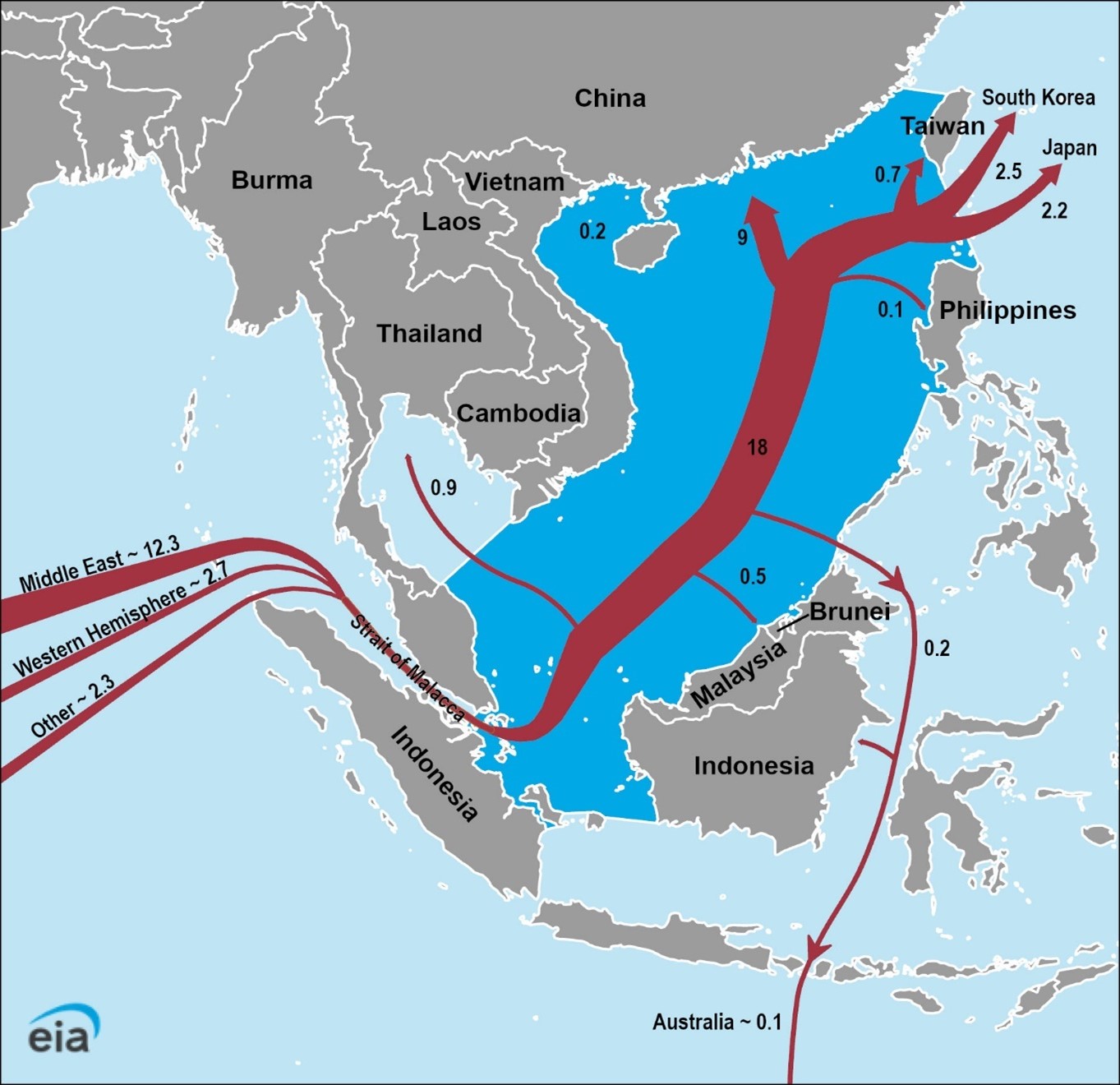 Since the U.S. and Israeli attacks on Iran began on February 28, China has maintained an arm’s length position from Tehran in public. Diplomatically, China has walked a fine line between condemning the U.S. and Israeli strikes against Iran and expressing concern about Iranian attacks against targets in the Gulf states.
Beijing buys around 90 percent of Iran’s oil exports, and the United States believes the Chinese government allows China-based firms to continue shipping parts and materials to Iran to manufacture new drones and missiles. However, China’s relationships with the Gulf states are far more important for its economic and foreign policy goals than the discounted energy it buys from Iran. As a result, China has urged both sides to de-escalate.
However, China and Iran’s strategic situations share some similarities, with both seeking to counter U.S. air and naval superiority in the event of a conflict. We’re unlikely to see Washington deploy significant numbers of ground troops in either Iran or the Taiwan Strait. Iran borders the Persian Gulf and the Strait of Hormuz, through which around 25 percent of seaborne oil and almost 20 percent of global LNG supplies pass, alongside other vital goods like fertilizer. Meanwhile, Chinese territory runs along the western side of the Strait of Taiwan, one of the world’s busiest shipping lanes. Around 44 percent of global container shipping passed through the Taiwan Strait in 2022.
Iran’s use of cheap, long-range one-way attack aerial drones, ballistic missiles, and suicide drone boats to disrupt commercial traffic through the Strait of Hormuz gives China a potential template to copy in the event of a future crisis with the United States over Taiwan. Iran also possesses significant stockpiles of Chinese-made anti-ship cruise missile batteries. Beijing will be interested in assessing the deterrent effect these still have on the United States, given its own use of shore-based missiles and artillery to threaten Taiwan and any U.S. Navy assets that come to the self-ruling island’s defense.
Would China Really Disrupt Global Trade?
An obvious difference between the two countries, however, is the structure of their economies. Iran’s economy is in ruins due to U.S. sanctions and state mismanagement, but this has helped insulate it from the fallout of its tactics in the current conflict. Meanwhile, China’s economy is export-oriented and therefore vulnerable to the kind of economic disruption that Iran has caused in the Strait of Hormuz.
Nevertheless, China’s regime has made preventing Taiwan’s formal separation from the mainland a key plank of its legitimacy. Moreover, given Western countries’ reliance on tools like sanctions to punish aggressors in past conflicts, like Russia’s invasion of Ukraine, Beijing has likely already priced in a severe economic shock for China as part of its planning for a future conflict over the island.
Indeed, starting a blockade and disrupting commercial shipping, often belonging to Taiwan’s allies, during a crisis over Taiwan may appeal to Beijing more than the alternative. China currently lacks sufficient landing craft to invade Taiwan, per the most recent U.S. assessment of Chinese military capabilities. Nor is there any current indication that China is “significantly expanding its number of tank landing ships and medium-sized landing craft.” The Taiwan Strait’s notoriously inclement weather for most of the year would make attacking outside April or October risky. Meanwhile, China’s lack of experience in mounting combined arms operations outside its territory would also lead to accidents and delays, giving U.S. air and sea forces more time to respond to Taiwan’s calls for aid.
China does have plenty of experience conducting naval and aerial exercises around Taiwan and within the strait itself, however. It even simulated blockading the island’s ports in the most recent of these exercises, in December 2025.
In August 2022, when China conducted large-scale military exercises surrounding Taiwan, it also disrupted global shipping and air traffic, despite Beijing leaving the waterway open. If China shut the Taiwan Strait to global shipping like Iran did in Hormuz, delivery times to Western states and other countries would shoot up. The U.S. attack on Iran also inadvertently showcased Taiwan’s vulnerability to a Chinese blockade, when the island’s reliance on LNG deliveries via the Strait of Hormuz meant it was threatened with power cuts earlier this year.
Could China Deter the U.S. Navy?
While it will monitor Iran’s situation, in the event of a conflict over Taiwan, China’s strategy already envisages denying the U.S. Navy access to the Taiwan Strait. It has stockpiled at least 1,400 ballistic and cruise missiles in southern and eastern China that could be fired at U.S. surface vessels, including the DF-21D and DF-17 missile systems.
China’s military has converted hundreds of obsolete J-6 fighters into attack drones, per a report last month from the Mitchell Institute for Aerospace Studies, which tracks Chinese airpower. Beijing is also experimenting with drone minelayers with the intention of using these to hinder U.S. vessels in the Taiwan Strait in the event of a naval confrontation. These precautions would significantly raise the cost to the United States of a naval intervention in Chinese waters.
During the present Iran conflict, allied governments turned down U.S. requests to help demine the Strait of Hormuz without a ceasefire first due to the threat to their warships from Iranian mines, drones, and missiles in the narrow waterway. While U.S. allies are now planning to dispatch a flotilla to demine the Strait, it will only operate after the war is over.
Given this recent example, Chinese officials will undoubtedly conclude that building up further drone fleets and missile stockpiles remains a safe strategy to deter the United States from operating naval units near the mainland in the event of a future conflict in the Taiwan Strait. Five of Taiwan’s eight major ports are on the island’s western coast, on the Strait side, so China deterring U.S. vessels’ arrival would make it easier to blockade the island’s key trading hubs.
Conclusion
Iran’s strategy to keep the Strait of Hormuz closed until Washington negotiates terms that Tehran finds acceptable relies on endurance to beat a superior adversary. Given Iran is much less militarily powerful than China, its ability to keep fighting despite the U.S. and Israel’s attacks, including their ability to track and hit large numbers of targets and kill key commanders, will attract Chinese interest.
China will also note that future U.S. administrations will likely be reluctant to trigger conflicts where their adversaries can use global maritime chokepoints as economic leverage. In short, the Persian Gulf conflict is likely to confirm for China that it should mimic Iran’s approach to deterring the United States in the event of a conflict over Taiwan, even as conquering the island itself remains challenging for Beijing at its current level of capability.
Wednesday, April 29, 2026
美国联手五个拉美盟友支持巴拿马,反对中国在巴拿马运河的作为
 美国联手五个拉美盟友支持巴拿马,反对中国在巴拿马运河的作为
美国牵头与五个拉美地区盟友于29日发表联合声明,针对巴拿马与中国围绕巴拿马运河港口运营权的争议,向巴拿马政府表达支持,认为中国的所作所为对所有联署国家都构成威胁。
根据法新社29日发自华盛顿的报道,除美国之外,拉美地区的玻利维亚、哥斯达黎加、圭亚那、巴拉圭和特立尼达和多巴哥五国都签署了这份共同声明。声明指责中国在巴拿马运河议题上的作为是“明目张胆地试图将海上贸易政治化” ,对该地区国家主权构成侵犯。 声明指出,巴拿马是海上贸易体系的一个支柱,因此应当免受任何不必要的外来压力。任何试图侵犯巴拿马主权的作为都对所有声明签署国构成威胁。
应该指出的是,五个参与共同声明联署的拉美国家目前都是右翼政治势力掌权。
随着特朗普开始第二个美国总统任期,巴拿马运河成为中美竞争的一个焦点议题。特朗普政府一度声称,美国要收回对运河的所有权,因为在他看来,中国企业对该运河是否能正常通行有相当大的控制力。
巴拿马最高法院在今年一月底裁定香港长江和记集团旗下子公司巴拿马港口公司运营地处该运河两端的两个港口的特许经营权合约违宪,并在随后强制接管相关设施及没收公司财产。
长江和记子公司依据国际商会规则就此提起诉讼,要求违约赔偿至少20亿美元。
目前,该公司此前运营的两个港口: 巴尔博亚港(Balboa)与克里斯托瓦尔港(Cristobal),已交由马士基和地中海航运公司临时经营。
地中海航运码头投资公司为以瑞士为基地的航运龙头“地中海航运公司”(Mediterranean Shipping Company,MSC)的分支。马士基码头公司则隶属丹麦航运巨头马士基航运集团(A.P. Moller–Maersk)。
4月8日,巴拿马港口公司发表公报,指责马士基码头公司接管运营是破坏双方此前的合同,在一场针对巴拿马港口公司的国家行为中选边站,意在为了其他港口运营企业的利益,排挤巴拿马港口公司。这份公报同时指出,针对马士基码头公司的仲裁程序, 是独立于巴拿马港口公司起诉巴拿马政府对合约与投资的敌意作为司法程序之外的另一起诉讼。
以色列摩萨德 - 在伊朗和黎巴嫩取得革命性突破

以色列摩萨德 - 在伊朗和黎巴嫩取得革命性突破
法新社28日耶路撒冷消息,以色列对外情报机构摩萨德(Mossad)负责人在授勋仪式上赞扬其特工取得的成就,称他们在伊朗和黎巴嫩开展的行动具有“革命性”,包括在德黑兰的斩首行动。
据以色列政府新闻处周二发布声明,以色列对外情报局局长大卫·巴尔内亚(David Barnea)在周一举行的年度授勋仪式上表示,这次表彰的行动让摩萨德“在黎巴嫩和伊朗突破了界限”。
大卫·巴尔内亚表示,“我们在敌人的核心机密中获取了战略和战术情报”。他补充说,摩萨德在“目标国家展示了革命性的新作战能力”。
他并称,与以色列军方的密切合作是今年各项行动的核心,包括针对“德黑兰市中心高级官员”的打击行动。
据以色列政府新闻处周二发布的声明称,其中一项获表彰的行动采用了“派驻现场特工(……)在德黑兰市中心进行秘密渗透”的行动方式。
2月28日由美以空袭引发的伊朗战争,目前停火协议依然有效。
黎巴嫩什叶派组织真主党于3月2日开始向以色列发射火箭弹,将黎巴嫩卷入战争,以此报复伊朗最高领袖阿里·哈梅内伊死于以色列空袭。
美国总统唐纳德·特朗普于4月17日宣布黎巴嫩战线停火,此后停火协议一直延续至今。尽管停火协议生效,以色列总理本雅明·内塔尼亚胡周一表示,真主党的火箭弹袭击仍是重大威胁,并补充说以色列将继续进行空袭。
真主党声称,其打击行动是对以色列“违反”停火协议的回应。
摩萨德负责人巴尔内亚表示,以色列军队和摩萨德已调整了以色列的“战略态势”,并补充说,摩萨德不会“安于现状”。“一旦发现威胁,我们将全力以赴采取行动”。
非洲版代理人战争! 乌克兰军事教官助叛军攻首都 俄佣兵落荒而逃

非洲版代理人战争! 乌克兰军事教官助叛军攻首都 俄佣兵落荒而逃
西非马利局势急遽升温,安全与政治危机同步扩大。多方消息指出,俄罗斯在当地部署的“非洲军团”近期自北部基达尔(Kidal)营地撤离后,马利北部与首都巴马科周边安全真空迅速浮现,战事与政治动荡随之升级。
据流传画面显示,马利首都巴马科街头仍可见俄罗斯总统普京的巨型宣传看板,上方写着“生日快乐—弗拉基米尔·普京”,而附近墙面则出现以黑字书写的标语,呼吁“真正的民主与全民福祉”,凸显当地政治立场分裂与社会张力升高。
有消息称,先前由俄罗斯瓦格纳体系扶持的马利国防体系高层人物,在涉及批评乌克兰总统泽连斯基相关议题后不久,遭反对派与联合武装势力包围,最终在冲突中丧生。事件进一步加深军政府与反对势力之间的对立。

同时,有报导指出,在与部分反对派武装谈判后,俄罗斯部队与相关装备已从部分基地撤出,并在过程中放弃重型军备,撤离行动被形容为“仓促且被动”。外界认为,这反映俄罗斯在西非军事布局出现明显收缩迹象。
战场层面方面,马利北部撒哈拉边缘的基达尔地区近期遭阿扎瓦德解放阵线等叛军包围,当地武装势力在谈判后获准撤离,但部分重装设备未能带走,局势显示俄方与盟军影响力正在被削弱。

更具震撼的是,有亲俄阵营消息指控,乌克兰军事教官疑似在当地协助反叛武装行动,与图阿雷格相关势力存在战术合作,并直接参与对俄罗斯“非洲军团”据点的攻势。不过该说法尚未获独立证实。
与此同时,伊斯兰武装组织“伊斯兰与穆斯林支持者集团”(JNIM)宣布对马利首都巴马科发动“全面围困”,并与政府军及外籍武装力量爆发激烈冲突。多方报告显示,首都周边战斗持续升温,安全形势迅速恶化。

伊斯兰武装组织“伊斯兰与穆斯林支持者集团”(JNIM)宣布对马利首都巴马科发动“全面围困”,并与政府军及外籍武装力量爆发激烈冲突

金正恩亲口铁证!援俄朝军被逼“自爆”

金正恩亲口铁证!援俄朝军被逼“自爆”
朝鲜领导人金正恩近日公开赞扬那些选择引爆手榴弹“自爆”的士兵,此举也间接印证了外界先前传闻以及俄乌战场上少数被俘朝鲜战俘的证词:军官会强迫部下在弹尽粮绝时自我了断,以免落入敌手。综合媒体报道,朝鲜新设“海外军事行动战功纪念馆”,专门纪念支援俄罗斯对乌克兰作战中阵亡的士兵。金正恩4月26日出席开幕式时,两度提及“自爆”,称那些“为了捍卫伟大荣誉而毫不犹豫选择自爆、实施自杀式攻击”的人是“英雄”,并强调“这些将士的自我牺牲不求任何回报……这就是我们军队最高忠诚的定义”。
报道指出,朝鲜士兵长期被灌输“被俘即叛国”的观念。韩国文化广播公司(MBC)日前播出的节目中,采访了两名在乌克兰的朝鲜战俘,其中一人表示后悔没有结束自己的生命,“其他人都自爆了,只有我失败了”。
此前乌克兰与韩国情报单位早已传出消息,前线朝鲜士兵被要求在遭俘前必须引爆手榴弹或以其他方式自杀。韩国方面估计,至少有1万5000名朝鲜士兵被派往俄罗斯参战,但因欠缺现代战争经验,且被俄军当作高风险“肉盾”冲锋,迄今已超过6000人丧生,不过平壤与莫斯科均未证实这一数字。


