
Antibiotics and Hormones in Beef
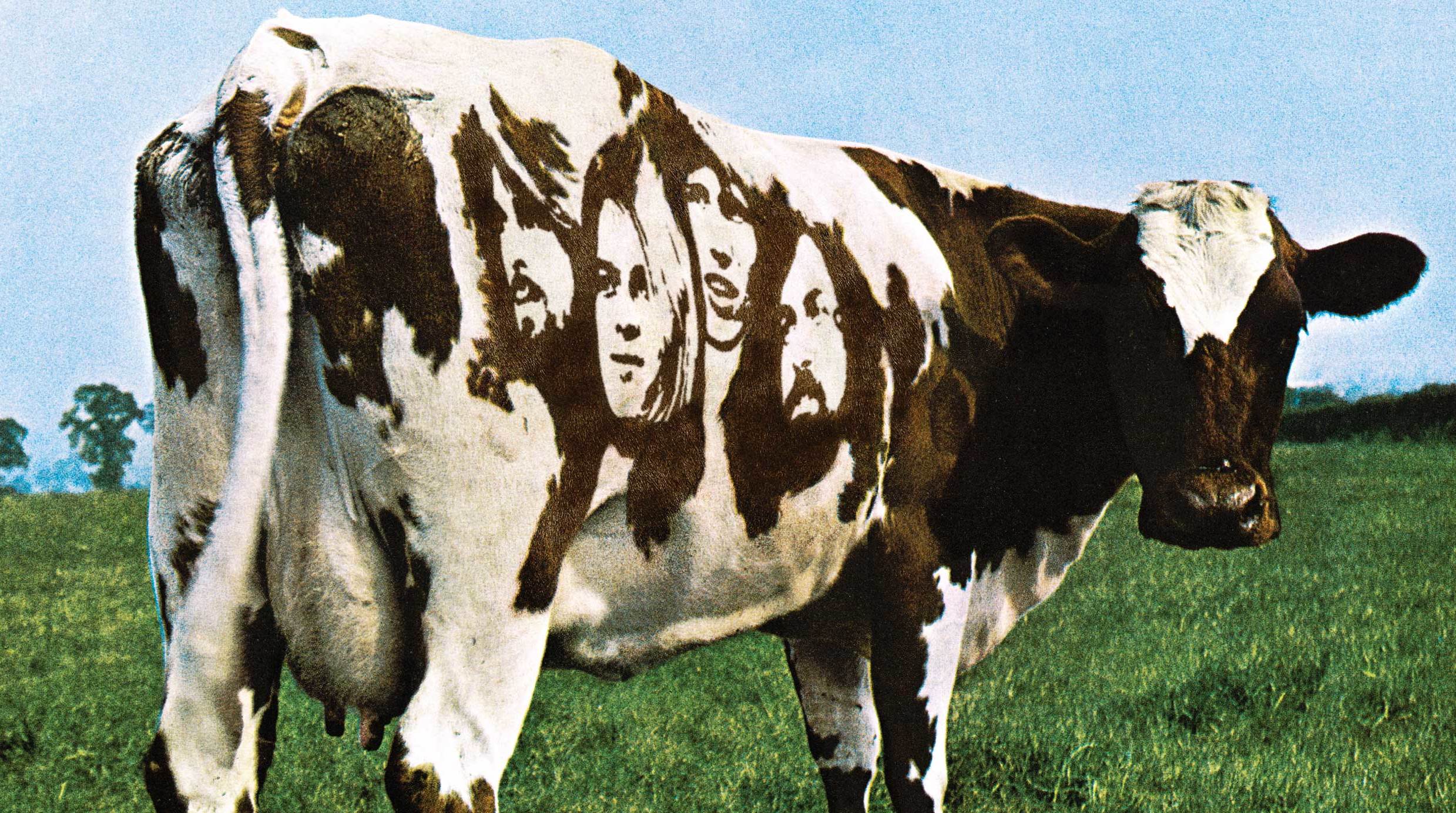
Today we're headed out to the farm, to have a look at that poster
child of so many controversies: the beef cow. For better or worse, beef
feeds many people around the world, and its production has become a
massive industrial engine. Today we're going to focus on just one small
part of that engine: the use of drugs in these cattle, for veterinary,
growth, or other purposes. It's a practice that has exploded onto the
pop foodie scene, and been portrayed as both a terrible danger to humans
and an animal rights catastrophe, especially by the organic and
all-natural lobbies. Some trumpet the perils of eating beef loaded with
hormones; others fear the creation of antibiotic-resistant superbugs.
What are the true facts of drugs in beef, and should you be concerned
about them?
It's important to preface this topic with some acknowledgements:
there are some very good reasons why beef is, strategically, a bad food
product. Meat production, even as a percentage of the totality of all
livestock industries, has a huge environmental impact. About a quarter
of the world's land is used for grazing. A third of all planted crops
worldwide go to feed livestock. It's the major driver of deforestation. A
tenth of all fresh water goes to support livestock and their feed
crops. A shocking 15% of greenhouse gases come from livestock. All of
that produces polluted waste water and runoff, and consumes energy to
operate. The beef industry truly is the big bully who grabs far more
than his share of resources. However, this imbalance is what the market
has chosen.
I point out these facts as a dedicated meat lover. I will eat filet
mignons all day long. Like everyone, I strike a balance between the
things I enjoy and their cost. But just as I don't allow my love of
steak to cloud my awareness of the environmental impact of beef, neither
should the beef opponents make up untrue facts to poison the well and
portray beef as even worse than it is. As with many Skeptoid topics, a
poor understanding of the facts of a problem lead to poor solutions.
Whether you want to eat steak all day long, or you want it abolished
from the food system, it is in your best interest to have a correct
understanding of the facts, including the pros and cons of using
antibiotics and hormones in the husbandry of beef cattle.
 The most common beliefs among the general public are twofold: first,
that growth hormones are given to cattle to make them grow faster, and
that these hormones might cause endocrine problems in the people who
consume the meat; and second, that antibiotics are given to cattle
because it's cheaper than keeping them in clean, humane conditions, and
these antibiotics represent an overuse that leads to resistant superbugs
who present a danger to human health. As in so many subjects, there are
elements of truth to this, elements of fiction, and parts of it that
are misunderstood and sound a lot scarier than they really are.
The most common beliefs among the general public are twofold: first,
that growth hormones are given to cattle to make them grow faster, and
that these hormones might cause endocrine problems in the people who
consume the meat; and second, that antibiotics are given to cattle
because it's cheaper than keeping them in clean, humane conditions, and
these antibiotics represent an overuse that leads to resistant superbugs
who present a danger to human health. As in so many subjects, there are
elements of truth to this, elements of fiction, and parts of it that
are misunderstood and sound a lot scarier than they really are.
Let's start with the antibiotic resistance. Anytime antibiotics are
used to fight bacteria, there is usually a small number of those
bacteria who happen to be resistant to that antibiotic. When that
antibiotic is used a lot, the resistant bacteria gradually become the
majority, and then we have a real problem: an infection that we can't
fight. We already see this happening in medicine. It's an arms race
between molecular biologists and evolving bacteria strains. The best
defense is to always use antibiotics as infrequently as possible.
But cattle get sick, just like people do. In the cattle ranching
industry, cattle are the industry; they are the valuable asset. We don't
let them get sick and die if we can help it. So veterinarians are
obviously a big part of cattle ranching. And antibiotics are, just like
in humans, one of the essential tools to fight infections.
One concern activists have raised about this treatment is that
resistant bacteria in the beef might make it all the way through the
production process, end up in someone's steak, and give that person a
bacterial infection. While it's true that a cow so treated might
conceivably end up with a resistant infection, such an infection could
only pose a threat to the consumer if the beef was consumed raw. This is
the case with eating any animal meat, and always has been and always
will be. At least if the cow had been treated, fewer bacteria would
remain. Risk of contamination is one important reason why, thousands of
years ago, we learned to cook our meat. Cook your beef (and any other
meat) like a civilized person, and you don't have a significant concern
about bacteria.
Some people are also concerned that even if no bacteria are making it
through, there might be residue from the antibiotic that stays in the
beef, gets eaten by people, and then promotes the growth of resistant
bacteria in those people. Fortunately, this does not happen at all.
Antibiotics are metabolized very rapidly by humans and animals. That's
why your doctor gives you a bottle and you have to take several pills a
day; the pharmacokinetics are such that there's not enough left in your
system after only a few hours or days at the most. When cattle are
treated with antibiotics, these pharmacokinetics are the same. But we
don't take any risks here. Cattle given antibiotics are subject to
what's called a withdrawal time, a waiting period where that cow cannot
go into food production until we're sure there are no antibiotics left
in its system. Depending on what drug is given, this withdrawal time is
anywhere from 0 to 60 days. By the time any cow goes into food
production, there's no antibiotic in its system.
But we take it even one step further than that. Nearly all ranchers
in the United States follow the Beef Quality Assurance program, a set of
guidelines for the safest practical beef production. One of these rules
is that cattle should never be treated with antibiotics that are also
used in human healthcare. This guarantees that even if a cow did somehow
slip through the cracks and went into food production before all the
antibiotics had gone through its system, and even if a person did
consume that beef and got some of that antibiotic into their system,
there's no way it could contribute to a population of bacteria resistant
to any type of antibiotic that person might be prescribed.
The Beef Quality Assurance guidelines also recommend treating the
fewest number of animals necessary. This one is easy for ranchers to
follow, since antibiotics are expensive and nobody wants to spend money
they don't have to spend.
Never say never, but the combination of the safeguards required by
industry and the science of metabolism mean that the chances of beef
production resulting in an outbreak of antibiotic resistant bacteria
dangerous to humans are virtually nonexistent. What's far more likely,
and what actually does happen in the real world, is bacterial
contamination of meat and other foods from packaging and handling. Clean
and cook your food well, and veterinary treatment of cattle with
antibiotics is a concern that you can realistically cross off your list.
The other common belief about drugs given to cattle has to do with
growth hormones. It is true that both natural and synthetic versions of
estrogen, progesterone, and testosterone are used in most beef cattle in
most countries. These are preferred because they occur naturally in
cattle, just as they do in humans, so they're not a foreign substance.
They are essentially the same thing as the anabolic steroids used by
some bodybuilders. The main difference is the dose. A 100kg bodybuilder
will sometimes take more than 1,000mg each week, while a 900kg beef cow
is given a single 200mg pellet implanted under the skin of the ear which
dissolves over a period of 100 to 365 days, depending on the type.
(Note on these dosage ballparks: bodybuilders' doses vary wildly, and
there are smaller doses than this for certain cattle.) Do the math. It's
common for a human bodybuilder to take 650 times the maximum allowable
dose that ranchers give to beef cattle.
In broad strokes, this is the long and the short of the reasoning
behind why there's no need for concern about hormones given to beef. We
give cattle very small doses, even smaller than the doses given to
postmenopausal women; and it's a compound naturally produced the body
anyway. That dose is not up to the ranchers to ratchet up if they want;
it's established by law. Cattle on this regimen have a zero-day
withdrawal time, meaning they are safe for food production at any time,
as the level of hormone in the meat is well below maximum safe levels.
The variation in naturally occurring hormone levels in different kinds
of meat — fish, fowl, pork, beef — and even in cattle of different ages
and breeds — is much greater than the difference between treated and
untreated cattle.
Even if — by some process outside normal beef production — an excess
level of hormones did get into the beef, some of it would be broken down
by cooking, and most of what remained would not survive digestion.
Hormones taken orally get metabolized, mostly by the intestines and the
liver. This is why when we take hormones, they're often delivered via a
patch or an implant or some other mechanism that bypasses the digestive
system. It's also the reason they're given to livestock via an implant.
So unless you are eating a competitive bodybuilder — and in fact, not
even eating him, but putting a sample of his muscle tissue under your
skin as an implant — there is no plausible way that you can suffer any
kind of an endocrine problem from eating normally produced beef.
I'll go a step further. The anti-beef lobby should, if anything,
embrace the use of hormones on beef, because it reduces the time needed
to bring them to market. This has a butterfly effect that improves all
of those many impacts caused by the beef industry.
Beef has been a staple throughout human history, yet its production
has seen only limited improvement in efficiency over the centuries.
There are alternate red meats with a far lower environmental impact
(kangaroo is one of which I'm especially fond), and obviously there are
alternate diets that don't include red meat at all. There are fine
fact-based reasons why we should look seriously into moving away from
beef from cattle, and these are ones that the anti-beef lobby should
focus on. Claiming harm to human consumers from drugs given to beef
cattle simply doesn't stand up to scrutiny as a valid argument.
Brian Dunning

 Posts
Posts


 If you look at the whole of Russia’s behavior around
Ukraine, its strategy becomes clear – or as clear as clear gets in
geopolitics. The buildup of troops started months ago. In time, it
dawned on the U.S. and its NATO allies that something might be
happening. The Russians issued their demands a few weeks ago, asking
that NATO not grant Ukraine membership into the alliance and that it
withdraw weapons from Eastern Europe. Put differently, Moscow wanted to
return to a status quo that it had held before the Soviet Union fell.
If you look at the whole of Russia’s behavior around
Ukraine, its strategy becomes clear – or as clear as clear gets in
geopolitics. The buildup of troops started months ago. In time, it
dawned on the U.S. and its NATO allies that something might be
happening. The Russians issued their demands a few weeks ago, asking
that NATO not grant Ukraine membership into the alliance and that it
withdraw weapons from Eastern Europe. Put differently, Moscow wanted to
return to a status quo that it had held before the Soviet Union fell.


 泽连斯基周二在乌克兰议会的发言中也提及:“我们正在欧洲创造一种新的政治合作模式,涉及乌克兰、英国和波兰”。英国外交大臣特拉斯(Liz
Truss)早些时候说,英国、波兰和乌克兰之间正在考虑建立一个三方联盟。乌克兰外交部长库列巴(Dmytro
Kuleba)也向记者介绍了建立这种联盟的积极工作。
泽连斯基周二在乌克兰议会的发言中也提及:“我们正在欧洲创造一种新的政治合作模式,涉及乌克兰、英国和波兰”。英国外交大臣特拉斯(Liz
Truss)早些时候说,英国、波兰和乌克兰之间正在考虑建立一个三方联盟。乌克兰外交部长库列巴(Dmytro
Kuleba)也向记者介绍了建立这种联盟的积极工作。 北京大学发表报告指出,美中科技脱钩后,双方虽都有损伤,但中国付出的代价更大,其中芯片制造、人工智能及IT产业更陷入瓶颈。而美国这一战略增加了中国获取先进技术和吸引人才的难度。南华早报说,而由于报告出自中国国内研究机构而非境外,因此引起一定程度关注。


 中国政府官员一再驳斥美国政府的指责。中国驻华盛顿大使馆去年7月发表声明称,美国方面 "毫无根据"地攻击和恶意抹黑,并称中国是 "网络安全的坚定捍卫者"。
 第二个“敛财”时间点,是董宏在海南省委担任副秘书长期间,这正是王岐山空降海南,在2002-2003担任海南省委书记、省人大常委会主任期间,董宏成了王岐山名副其实的大秘。
