Tuesday, July 21, 2026

人民币被低估中国出口货便宜 

 IMF wades into debate over yuan, warns ...人民币被低估中国出口货便宜 


(柏林、巴黎20日讯)德国总理梅尔茨(Friedrich Merz)和法国总统马克龙(Emmanuel Macron)近日都提及人民币汇率被低估,压低了中国出口产品的价格。

据德国媒体报导,德法部长级理事会会议上周五(17日)在德国举行。在应对中国产能过剩和人民币汇率问题上,德、法两国领袖“表现出出人意料的一致立场”,都批评中国在与欧盟的竞争中获取不公平的竞争优势,欧盟每天对中国贸易赤字高达10亿欧元(约46亿8500万令吉)。

牺牲欧洲就业岗位

梅尔茨说:“我无法接受这种现状,因为它以牺牲欧洲就业岗位为代价,且这种损害是单方面的。”他呼吁中国政府就相关问题对话,不然就放开人民币汇率。

报导提及,梅尔茨先前曾表示,人民币汇率被人为低估了高达30%,这使中国出口产品的价格大幅降低。

梅尔茨在会议上说:“只有当一种货币实现自由兑换时,它真实的内外价值才能体现出来。如果中国政府认为人民币目前的价值是合理的,那么就没有理由不放开人民币汇率,使其实现自由兑换。”

德、法两国批评中国在与欧盟的竞争中获取不公平的竞争优势,欧盟每天对中国贸易赤字高达10亿欧元。


压低出口产品价格


同一时间,马克龙也提及人民币汇率被低估问题,认为中国借此人为压低出口产品价格。

他指出,中国还拥有大量依靠高额补贴形成的过剩产能,并且将这些产能主要投放至欧洲市场,例如汽车行业。

“只有极少数人见过伊朗新任最高精神领袖”

一名女子周日骑著摩哆经过德黑兰瓦莱亚斯尔广场,悬挂著伊朗新任最高精神领袖穆杰塔巴的横幅。(图取自法新社) 一名女子周日骑著摩哆经过德黑兰瓦莱亚斯尔广场,悬挂著伊朗新任最高精神领袖穆杰塔巴的横幅。(图取自法新社)

“只有极少数人见过他” 伊朗外长仍未见过新任最高精神领袖


(德黑兰20日讯)伊朗外交部长阿拉格齐表示,自战争爆发以来,他从未与新任最高精神领袖穆杰塔巴见过面。阿拉格齐在访谈中暗示,即使是高级官员,与穆杰塔巴的接触也仍然受到严格限制,这加剧了外界对这位新任最高精神领袖长期缺席公众视野的质疑。

据News18报导,阿拉格齐周日接受迈赫尔通讯社采访时表示,自从穆杰塔巴就任伊朗最高领导人以来,只有极少数人见过他。

当被问及是否见过这位新任最高精神领袖时,阿拉格齐回答说:“只有极少数人见过他。”

就在几天前,阿拉格齐表示,导致前任最高精神领袖哈梅内伊遇刺的安全漏洞至今仍未彻底解决。

这位伊朗外长在接受阿拉伯电视台采访时表示,战争初期对哈梅内伊住所的袭击之所以能够成功,是因为幕后黑手对这位前最高精神领袖的日常作息和政府高层会议的时间安排了如指掌。

“他们知道最高精神领袖(哈梅内伊)每天早上都在办公室。据我了解,指挥中心会议也在两三栋楼外举行,他们正是选择了那个时间发动袭击。情报部的会议也在同一时间举行。”

他认为,攻击之所以成功,是因为一个至今仍未解决的安全漏洞。

阿拉格齐说:“因此,对最高精神领袖办公室的袭击是由于安全漏洞造成的,而这个漏洞可能仍然存在。”


自2月28日伊朗战争爆发以来,穆杰塔巴一直未公开露面。他的长期缺席引发了外界对他何时会首次公开露面的猜测,尤其是在他接任伊朗最高领导人之后。

根据i24NEWS英文网报导,预计穆杰塔巴将在与美国的战争期间继续保持隐退状态。与此同时,伊朗和美国仍在持续进行导弹和无人机攻击。

路透社:伊朗穆杰塔巴脸部毁容腿受重伤伤势 ...据报导,哈梅内伊在2月28日的美以联合空袭中丧生,穆杰塔巴也深受重伤,路透社报导指,穆杰塔巴的亲信透露,他的脸部严重毁容,一条或两条腿也受了重伤。

伊朗官员声称,穆杰塔巴正在康复中,甚至一直在指导德黑兰与华盛顿的谈判。

8视界新闻网| 伊朗最高领袖哈梅内伊遇袭身亡后,其次子穆杰塔巴·哈梅内伊(Mojtaba Khamenei)据报获选为新一任最高领袖。他是谁?又拥有怎样的背景与权力基础?  📸 法新社7月初,哈梅内伊在伊朗和伊拉克举行了葬礼,他的3个兄弟主持了葬礼祈祷仪式,但他并没有出席。

沙地阿拉伯新闻媒体al-Hadath最近援引一位以色列安全官员的话报导称,穆杰塔巴“不在伊朗”,他的声明是由新任伊朗伊斯兰革命卫队总司令瓦希迪以及其他伊斯兰革命卫队高级成员共同撰写的。

德国土安全部队拟扩充至逾万人


2019年8月18日,在德国首都柏林,两名德国联邦国防军成员向参观者介绍武器装备。

(柏林20日讯)德国联邦国防军国土安全部队指挥官表示,该部队将在2035年以前完成扩容,从当前的6500人扩增至逾一万人。

土耳其安全部队在叙利亚境内打死4名库尔德 ... 

德国国土安全部队指挥官亨纳少将周日告诉德国媒体,该部队目前人员规模具备初始作战能力,能在冲突最初阶段保证基础设施安全,但应对“旷日持久的冲突”则人手不足,因此需要显著增强兵力。

去年组建的国土安全部队由预备役和现役军人组成,归属陆军指挥。按照北约(NATO)的集中指挥体系,德国陆军的3个师战时可能会被调往国外作战,而国土安全部队将留驻德国境内负责国土防卫。

调查:德国联邦国防军里有多少极右翼分子?发生紧急防务事件或危机时,国土安全部队不仅要保护港口、铁路和货运转运点,还要保护管道、道路、桥梁、数字基础设施等。在和平时期,这支部队将承担应对突发事件、重大灾害救援和防范恐怖袭击等任务。

今年4月,德国发布国家军事战略,强调将把联邦国防军建设成欧洲最强大的常规军队。到2035年,联邦国防军将达到26万名现役军人、20万名预备役军人的规模。
 

美伊战事再起冲击疲弱经济 伊朗货币跌至历史新低

Iran's long-simmering economic crisis has reached a critical point after  the national currency plunged to a record low, pushing even essential goods  beyond the reach of large sections of the population. The 

美伊战事再起冲击疲弱经济  伊朗货币跌至历史新低

(德黑兰20日讯)随著美国试图进一步施压伊朗早已相当疲弱的经济,以及近日多起袭击行动恐再度引爆美伊全面战争,伊朗货币里亚尔汇率跌至历史新低。

台湾中央社引述英国《金融时报》报导,里亚尔周日在自由市场的汇率一度贬至1美元兑195万里亚尔,自美伊脆弱的停火协议本月初开始破裂以来,下滑近10%。

Iran's currency collapses to zero against euro美国总统特朗普上周重新对伊朗港口实施封锁,阻断石油出口并干扰进口,这是华府与德黑兰争夺霍尔木兹海峡控制权的一环。他也撤销允许伊朗销售石油的豁免令,威胁德黑兰的经济命脉。

伊朗表示,美军近日对南部沿海及内陆的桥梁、铁路与机场等基础设施发动攻击。分析师认为,这是美方试图迫使德黑兰重返谈判桌的行动一环。

在美国与以色列2月对伊朗开战之前,伊朗经济其实早已深陷困境,面临通胀飙升、西方制裁及多年管理不善等多重压力。开战后伊朗经济情势更加恶化,6月通胀年增率高达近90%。

德黑兰的40几岁电气技师赫萨姆说:“我几乎快负担不起我年幼孩子的基本生活所需。”

他批评伊朗领导阶层无视人民面临的巨大困境,“我明白保家卫国的意义,但他们用我们的钱来打这场战争,却把全部经济负担转嫁给一般民众”。

长期制裁形成“抵抗型”经济

Iran Protest: From Inflation to Insurrection | How Iran’s Economic Collapse  Is Shaking the Regime德黑兰大学(Tehran University)经济学家博戈西安指出,伊朗仍有能力靠国内生产满足许多基本需求,尤其是粮食供应方面,但真正的挑战在于物价,“通胀飙涨正不断侵蚀民众的购买力”。

伊朗花费多年打造其所谓“抵抗型”经济,致力实现自给自足与多元化经济,以利当局在制裁、冲突和国内动荡下仍能维系政权,即便在其统治下,国家长年深陷严重经济低迷。

英国智库“交易所与集市基金会”(Bourse &
Bazaar Foundation)执行长巴特曼格利吉表示:“美国官员很容易认为经济压力……将使他们取得优势。”

他补充,然而“这并不会动摇伊朗当局的作战能力,伊朗可能会变得更穷困,却仍能为美军制造许多麻烦”。

战争已造成200万人失业

Iranians staged a third day of protests over a dire economic situation  driven by high inflation and the national currency trading at record lows.  , Students at several universities in Tehran joined ...尽管如此,这场持续数月的战争带来空前经济挑战,美国与以色列不仅花费数周轰炸政府和军事目标,产业及民用基础设施也遭到打击。

伊朗政府发言人穆哈杰拉尼4月指出,战争造成的损失估计高达2700亿美元(约1兆1050亿令吉)。在双方4月同意停火前,美以曾轰炸伊朗两大钢铁公司并袭击多座石化厂。

这造成大规模裁员,一名伊朗劳工部副部长4月曾说,受战争直接或间接影响,已有200万人失业。

在伊朗出生的美国弗吉尼亚理工大学(Virginia Tech)经济学教授萨利希-伊斯法哈尼近期曾待过伊朗,他谈到,伊朗政府必须在彼此冲突的政策优先事项间挣扎。

他说:“一方面要在战争期间维持民众的生活水平与粮食消费,另一方面又需防止通胀加剧为恶性通胀。”

他还指出:“伊朗已学会化解制裁、封锁等措施带来的部分经济压力,但我想没有什么神奇的方法能应对大规模破坏。美国拥有大量炸弹,能摧毁许多东西。”
 

伊朗支持的也门叛军宣布实施海上封锁 切断沙地通往红海港口通道


(萨那、利雅得21日讯)获得伊朗支持的也门什叶派武装“青年运动”周一宣布对沙地阿拉伯实施海上封锁,此举加剧了美伊战争。“青年运动”威胁到这个全球最大的石油出口国,绕过霍尔木兹海峡的能力。

法新社报导,这个由伊朗支持的组织没有说明其计划如何实施封锁。与此同时,伊朗宣布与美国“全面开战”,华盛顿和德黑兰正在争夺霍尔木兹海峡的控制权。

随后,沙地外交部谴责了“青年运动”的海上封锁,并重申了利雅德对也门亚丁政府的支持。

Saudi Arabia Reroutes Oil Exports Through the Red Sea as Hormuz Risks  Intensify Saudi Arabia's energy giant, Saudi Aramco, is reportedly  rerouting as much as seven million barrels of crude oil per  沙地和“青年运动”上周多年来首次交火,威胁到先前已于2022年到期但仍维持的停火协议。

这次交火的导火线是一架伊朗飞机试图在萨那降落,挑战沙地对也门领空的控制权。

如果“青年运动”的海上封锁得以实施,将切断沙地通往红海港口的通道,进一步加剧其经济压力。由于霍尔木兹海峡的战火重燃,这些港口对石油出口至关重要。

此次封锁预计也将损害依赖沙地(日产原油超过1000万桶)进口能源的全球市场。

“青年运动”发言人萨里表示,该组织宣布“立即对犯罪的沙地敌人实施海上禁运,奉行‘以眼还眼’的原则”。

联合国秘书长发言人杜加里克警告,“青年运动”的威胁可能导致“更大规模”的地区冲突。

截图取自也门叛军Al-Masirah TV发布的影片,并于7月13日透过法新社电视台(AFPTV)发布的影片截图显示,空袭袭击了萨那机场,以阻止一架载有“青年运动”代表团的伊朗飞机降落。(图取自AL MASIRAH/法新社)


恐导致“更大规模”地区冲突

“青年运动”先前曾试图切断红海航运,他们利用了位于红海南端的曼德海峡,这是船只往返苏伊士运河和地中海的必经之路。

安全专家克里格表示,即使“青年运动”保留了“相当大的自主权”,德黑兰也可能要求他们“在曼德海峡前线做好准备,并可能成为战略导火索,尤其是在美国施压削弱伊朗在霍尔木兹海峡周边地位的情况下”。

这位伦敦国王学院的学者告诉法新社:“霍尔木兹海峡和曼德海峡同时爆发危机,其冲击力将远大于任何单一的封锁行动。”

“霍尔木兹海峡的中断限制了海湾地区的石油和液化天然气出口,而曼德海峡的中断则阻断了亚洲、海湾和欧洲之间的主要海上通道。”

“青年运动”先前在加沙战争期间,自2023年11月起便开始袭击途经该水道的船只,迫使船只绕道非洲,而非直接从欧洲出发。

也门与沙地接壤,拥有共同的海岸线。沙地的红海港口延布对石油出口至关重要,使其得以绕过伊朗在与美国战争期间对霍尔木兹海峡的有效封锁。

这场冲突在全球能源市场引发恐慌,直到上个月达成停火协议,但该协议现已破裂。

4月,卫星图像显示了沙地阿拉伯西部红海港口延布的石油基础设施,5艘悬挂韩国国旗的船只将抵达该港口。(图取自法新社档案照)


亚洲石油市场首当其冲

总部位于美国的风险谘询公司Basha Report的巴沙说:“即使没有船只遭到袭击,单凭这项声明就可能扰乱航运,并给沙地港口带来不确定性。”

“‘青年运动’是否会从威胁转向直接行动,仍然是关键问题。”

克里格表示,封锁“将对沙地造成非常严重的打击”,并解释沙地的大部分石油都销往亚洲市场。

曼德海峡关闭后,“这些船只将不得不绕道苏伊士运河向北航行,穿越地中海,经过直布罗陀海峡,绕过非洲才能抵达亚洲”。

周一晚些时候,沙地支持的也门政府首长阿利米表示,将著手恢复该国的石油出口,但并未详细说明恢复被“青年运动”封锁的石油供应的具体措施。

萨里表示,宣布关闭曼德海峡是为了回应沙地封锁该组织的“港口和机场”以及袭击萨那机场的行为,并补充指,他们将“以封锁回应封锁”。

上周,“青年运动”向沙地阿卜哈的一个机场发射导弹,此前,“青年运动”控制的首都萨那机场遭到攻击。

“青年运动”指控利雅德发动了这起攻击,而位于亚丁的也门政府则表示,这起攻击是为了阻止一架伊朗飞机降落。

十多年来,进入也门领空的飞机都需要事先获得沙地领导的盟军的许可。该盟军支持也门政府,并表示应其要求执行此限制。

自2014年以来,“青年运动”一直与也门政府交战,这场冲突已造成数十万人死亡。

Monday, July 20, 2026

U.S. will deploy its Typhon missile system to southern Japan

May be an image of text that says 'Japan Inside JAPAN'S DEFENSE MINISTER JUST CONFIRMED JAPAN WILL HOST A U.S. WEAPON T CAN REACH 1,600 KILOMETERS -STRAIGHT INTO MAINLAND CHINA' 

 Shinjiro Koizumi just confirmed something that's going to rattle Beijing.


Japan's defense minister announced the U.S. will deploy its Typhon missile system to southern Japan starting Monday.


The system can launch Tomahawk cruise missiles up to 1,600 kilometers.


That's far enough to reach parts of mainland China.


It lands at Kanoya Air Base in Kagoshima for the Valiant Shield drills, which run through July 1.


The U.S. is bringing its HIMARS rocket systems too.


Koizumi was clear that this is a temporary deployment for training, not a permanent posting.


He said the joint drills will sharpen how fast the two militaries can respond together.


It's only the second time this system has touched Japanese soil.
China has already accused Japan of accelerating its remilitarization.

烏克蘭使用美製AGM-188A平價導引彈藥 襲擊俄軍事半導體廠


烏克蘭使用美製AGM-188A平價導引彈藥 襲擊俄軍事半導體廠

 
6月22日,烏克蘭空軍對俄羅斯「沃羅涅日半導體生產工廠」(VZPP)進行精確打擊。根據烏軍情報,VZPP主要為俄羅斯軍方Kh-101空射巡弋飛彈、R-500陸基巡弋飛彈與Pantsir-S1機動防空系統供應重要零組件。


發動攻擊的烏克蘭空軍F-16戰鬥機,在確保安全的距離下發射三枚AGM-188A「銹匕首」(Rusty Dagger)空射導引彈藥,對目標進行縱深精確打擊,造成該廠受損。由於VZPP是高度精密的半導體生產工廠,對於震動與空氣中懸浮物質極為敏感,估計受損的廠房短期內很難再恢復生產。


Rusty Dagger是美國空軍「平價量產型空載彈藥」計畫(FAMM-L),由美國無人機系統造商Zone 5 Technologies開發的遠程攻擊彈藥(ERAM),可攜帶227 kg的彈頭,射程超過460 km,飛行速度約690 km/h。


美國國防安全合作局(DSCA)於2025年8月核准烏克蘭購買3,350枚AGM-188A飛彈,總價約8.25億美元,平均單價約24萬6,300 美元。

Useful Idiots

During the Iranian Revolution, Socialist students, Communists, and Muslims were all united in overthrowing the Shah.

The leftists celebrated when Khomeini returned in 1979. They thought they defeated capitalism and imperialism. It didn’t last long.

Around 30,000 Communists/Socialist who helped the Islamic regime consolidate power were soon executed. That’s where the term “useful idiot” comes from.

They served their purpose and were no longer needed. Muslims had always despised their progressive ideals and couldn’t wait to get rid of them.

One of the women celebrating in the picture was killed, the other fled the country for her life.

It’s bizarre that almost 50 years later, Western Communists/Socialists are making the exact same mistake and allying with Muslims. They will have the same fate.

A New Era of US-China supply chain war

 Escalating Tensions: China and the U.S. Enter a New Phase of Trade Warfare  in 2025 | Art

What began as a tariff dispute between the US and China has rapidly evolved into a supply chain war in which both sides sought to exploit single-source chokepoint vulnerabilities. These events revealed asymmetric vulnerabilities on both sides: China over critical minerals and the US over tech and finance. The result is a new bilateral dynamic Evan Medeiros describes as a fragile stability resting on shifting political calculations and intensifying competition.
 
 Since the end of the Cold War, US-China interactions were largely an exercise in the mutual shaping of the perceptions, policies, and behaviors of the other. For the United States, this meant trying to elicit more and better cooperation from China in addressing shared challenges, paired with efforts to deter Beijing's more disruptive policies. Washington did so by further pulling Beijing into the international system, by directly negotiating with Beijing, and by shaping the strategic environment in Asia to limit China's choices.

Why Donald Trump Visited China? Post Content for Chanakya IAS Academy “If the  US and China are rivals, why did Donald Trump visit China?” Because in  global politics, competition and cooperation goBeijing had a similar approach but was more focused on constraining US actions that it perceived as undermining China's domestic and international interests. The dominant feature of Beijing's strategy was to counter perceived US external containment and domestic destabilization of China. In the early 2000s, Beijing also initiated a major military modernization campaign.

As China grew stronger economically and militarily, and as its global footprint expanded, bilateral interactions became more dense, complex, and ultimately competitive. Washington had facilitated China's integration into — and its substantial benefit from — the US-led global economic and trade order. But Beijing used that integration to resist US power more often and to build quasi-alternatives to it. As the first decade of the 21st century passed, US and Chinese interests diverged in more arenas and with greater intensity. Notably, economic ties shifted from broadly complementary to broadly competitive as other differences emerged in the relationship.

These bilateral forces eventually converged around 2018 to produce a new era: strategic competition. The Trump administration, with its more hawkish views on China, gave expression to accumulating US frustrations. It launched the first trade war and technological competition against China in 2018. Following the 2020 election of Joe Biden, US commitment to competition intensified. That was the starting point as both countries headed into the events of 2025 — an exceptional year in US-China relations, marked by tariff escalation, brinkmanship over critical minerals, and the establishment of a fragile truce.

There are several notable features of this opening stage of strategic competition that persist today. First, the competition is broad in scope from day one, covering military affairs, economics, technology, and ideas about governance. Second, a sustained shift in domestic forces in both countries from supporting engagement to encouraging competition. Third, the mutual adoption of more coercive and confrontational strategies toward the other side. Fourth, the narrowing of communication channels. And fifth, its diverse global consequences, from disrupted supply chains to the formation of new alliances.
Supply chains were in the spotlight on the first day at the US-China Economic and Trade Cooperation Forum as a Chinese business delegation made a reciprocal visit to the United States after
Analyzing the US-China trade war in 2025

Phase 1: Upping the ante (January–April 2025)

The Trump administration began the trade war soon after Inauguration Day in January 2025 and gradually built toward a bigger confrontation on so-called "Liberation Day," April 2. This first phase had two core attributes. First, the administration was supremely confident in the US economic position and leverage over China. This was based on the view that China needed the United States more than the United States needed China. Second, the Trump team had a large, diverse, and exclusively competitive agenda with China. The team came into office with a litany of problematic Chinese behaviors that it sought to change and wanted to use economic tools — mainly tariffs — to do so.

The trade war began barely two weeks after Donald Trump's inauguration, triggering two months of action-reaction dynamics, which revealed much about emerging US-China dynamics and Beijing's approach. First, Beijing was struggling to understand what Washington wanted from China. Chinese scholars and former policymakers appeared confused about Trump's priorities for US-China ties, and limited official communication in these early days did not help. Second, China's responses to US actions were prompt and reciprocal but, importantly, also proportional, highlighting the Chinese government's focus on controlling escalation. Finally, Beijing prioritized ensuring that US trade actions would not disrupt the Chinese economy, so it began helping exporters find new markets and subsidizing domestic demand.

Phase 2: Escalation spiral (April–June 2025)

The second phase of the trade war opened with a bang when, on April 2, Trump raised or leveled "reciprocal tariffs" on more than 180 economies — what the White House called "Liberation Day." For China, this level was 34%, in addition to the existing tariffs from the first Trump term and the 20% fentanyl-related tariff imposed in February. China responded quickly and both sides continued raising tariffs to levels that functionally stopped all trade: 145% on the US side and 125% on the Chinese side.

Beijing and Washington soon signaled a desire to de-escalate and agreed to meet for talks in Geneva. They announced a suspension of tariffs and China to remove controls on exports of rare earths, though the precise commitments by both sides remain unclear. The situation grew complicated again in mid-May when the US prohibited American and foreign companies from using, selling, transferring, financing, or servicing Huawei's Ascend chips. China viewed this as a violation of the Geneva agreement and did not resume rare earth exports. The United States retaliated by clamping down on the export of semiconductor software and aerospace components.

Both sides held a second round of talks in June and reached a framework agreement. China agreed to resume exports of rare earths in exchange for the United States lifting restrictions on chokepoint items and technology. The trade war had morphed into a supply chain competition focused on chokepoint vulnerabilities.

Phase 3: Probing and testing the boundaries (June–October 2025)

The third phase of the trade war was no less volatile than the first two but had its own momentum, logic, and dynamics. The period began with relative stability before rapidly deteriorating. Following previous talks, officials agreed to meet in Stockholm to discuss extending the 90-day tariff pause. Both sides readily agreed to another 90-day extension.

However, a new cycle of escalation and de-escalation was soon initiated by successive waves of US regulatory action. China's response was unlike past patterns in breadth and depth; it was designed to send a strong message and to teach Washington a lesson. For example, on 9 October, China announced an intention to expand control on Chinese-origin rare earths used in manufacturing globally, after the US Commerce Department adopted the Affiliates Rule, which effectively meant that any majority-owned subsidiary of a foreign company on the Entity List would also be covered by the list's prohibitions.

Each cycle of action-reaction during this phase risks severe consequences but had limited practical effect on both economies. A phone call between Trump and Xi on 19 September effectively ended the escalatory cycle as both leaders agreed to meet during the annual Asia-Pacific Economic Cooperation summit in Busan. The resulting framework agreement saw China agree to purchase US agricultural goods and resume rare earth exports. In exchange, the US paused Section 301 tariffs on maritime logistics and shipbuilding. This phase solidified a competition for leverage where both sides sought to exploit the vulnerabilities of the other while minimizing their own. The core dynamic became a race for time to reduce exposure and gain advantages.

Phase 4: Setting a new floor (November 2025 to March 2026)

Phase 4 began after the October 2025 Busan summit, where a "handshake deal" between Trump and Xi stabilized relations. The agreement featured the United States suspending the Commerce Department's Affiliates Rule for one year in exchange for China suspending its rare earths export control regime. Additionally, the US extended reciprocal tariff reductions and lowered fentanyl-related tariffs from 20% to 10% for increased Chinese cooperation. China committed to purchasing 12 million metric tons of soybeans in late 2025 and at least 25 million annually through 2028. Both leaders agreed to reciprocal visits in 2026, with up to four meetings potentially occurring that year, according to senior US officials.

Beyond bilateral deals, the US expanded domestic supply diversification efforts, for example by partnering with Vulcan Elements and ReElement Technologies in November 2025 to build a rare earth magnets supply chain. In January 2026, G7 ministers agreed on price floors and carbon tariffs on Chinese rare earth exports. In a similar move, in December 2025 the State Department launched "Pax Silica" — a 10-member coalition aiming to build resilient supply chains independent from China.

Implications for US-China relations

Economics and technology have emerged as the central arenas of US-China competition, as events in 2025 highlighted the foundational importance of these sectors to national competitiveness. This is not a classic contest for relative advantage, but a competition for leverage where both sides seek to identify and exploit vulnerabilities while minimizing their own. Central to this is "positional power", or who commands a controlling position in global networks and technology supply chains.

The events in 2025 were less a traditional trade war and more a supply chain war. Beijing's weaponization of rare earth controls fundamentally changed the bilateral dynamic, reshaping it in ways that will persist for years. The core US-China dynamic now is a "race for time" to reduce exposure: China is sprinting to reduce reliance on Western semiconductors, while the US attempts to reduce its exposure to China's monopoly on rare earth production. China's 15th Five-Year Plan specifically calls for extraordinary measures to break through these chokepoint vulnerabilities.

The competition has revealed asymmetrical vulnerabilities. As of today, US vulnerability to China is broad and its leverage is narrow, while China's vulnerability is narrow and its leverage is broad. This has produced a fragile stability one analyst described as "mutually assured economic disruption," but this equilibrium rests on shifting political decisions about costs rather than structural constraints.

The two nations have clearly transitioned to a new phase of competition where questions of technological strengths and vulnerabilities have moved to the forefront. China enters this phase better prepared, having developed new economic weapons and re-engineered its domestic economy for resilience. Conversely, the US faces the monumental challenge of coordinating industrial policy across government and private industry. Finally, the arenas of economic and technological competition will not continue to be compartmentalized from the other arenas, namely diplomatic and military competition. The degree of spillover among these arenas will be far greater and more likely than during the US-Soviet rivalry simply due to the elevated baseline level of bilateral and global interdependence. Future projections for US-China competition are sobering.

現在全俄羅斯有將近五分之一的客機,正被迫停在機坪上長灰塵

普丁發動戰爭這幾年,大家都說西方制裁像抓癢?你看看俄羅斯現在的天空就知道這癢抓得多痛了。現在全俄羅斯有將近五分之一的客機,正被迫停在機坪上長灰塵,甚至被大卸八塊當成「器官捐贈者」。✈️🔧

把鏡頭拉到俄羅斯國內各大機場,那畫面真的慘不忍睹。根據最新數據,掌握全國九成客運量的11家最大航空公司,名下的673架飛機裡,有130架根本飛不起來。

為什麼?因為被制裁,買不到歐美原廠的維修零件。

國營的「俄羅斯航空」因為有普丁政府護航、資源優先灌給他們,勉強把停飛率壓在正常的11%。但離開國家保護傘,民間航空簡直哀鴻遍野。俄羅斯最大的私人航空 S7,旗下有三分之一的客機直接趴窩。他們買的空中巴士,引擎本來該定期送出國保養大修,現在被制裁卡死,原廠直接拒絕服務。

最大的包機公司 Azur Air 更慘,23架飛機只有6架能通過安檢,高達74%的機隊被迫停飛,老闆大概每天看著機坪掉眼淚。

最幽默的,絕對是俄羅斯人引以為傲的「國產客機」蘇愷超級噴射機(SSJ 100)。這台號稱俄羅斯航空業驕傲的飛機,引擎其實是跟法國合作開發的。現在跟歐洲鬧翻,法國不給零件,結果連自家生產的飛機都飛不上天,直接卡死在跑道上。

你一定會問,那俄羅斯這幾年國內線是怎麼飛的?

說白了就是「挖東牆補西牆」。他們把飛不了的客機當成「殺肉車」拆解,把零件硬拼裝到還能飛的飛機上,或者偷偷找土耳其、阿聯酋這些白手套去國際黑市高價掃貨。但航空專家已經預警,這種硬撐的極限大概就到2026年。到了2027年,當這批「拼裝機」的老化程度達到臨界點,俄羅斯民航業將迎來真正的雪崩。更別提烏克蘭現在還三不五時派無人機去炸機場,搞得連飛機燃料供應都出問題。

很多人常說經濟制裁沒用、大國底氣足不怕封鎖。但看看俄羅斯現在連民航機都要靠「殺肉」來續命,就知道現代戰爭打的早就不是單純的火砲,而是晶片、零件跟全球供應鏈。失去這些,再龐大的戰爭機器也會慢慢被勒到窒息。這點,身在晶片供應鏈心臟的台灣人,應該看得比誰都懂。

老實說,就算明天俄羅斯機票打到骨折,這種靠黑市零件硬飛的東歐大怒神,你們誰敢坐?

為什麼烏軍航程1600公里的無人機 ​ 能轟炸俄國內陸2500公里的煉油廠


為什麼烏軍航程1600公里的無人機 ​ 能轟炸俄國內陸2500公里的煉油廠?

(2026年7月6日)烏克蘭遠程無人機奔襲約 2,505 公里,成功轟炸俄羅斯”西伯利亞”最大能源設施之一的「鄂木斯克煉油廠」(Omsk Refinery)。

鄂木斯克煉油廠站被擊中的設施中,光是確認被擊中的ELOU-AVT-11 原油蒸餾裝置技術塔,每年就可以處理840 萬噸原油,重要性不言可喻。

#續航力大增的最新款

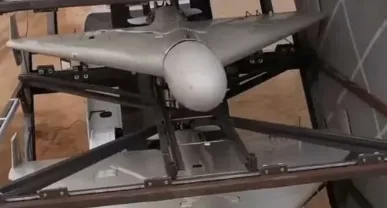
問題是,發動攻擊的FP-1中型自爆無人機,發表時的航程為1600公里,現在卻能轟炸距離俄烏邊境超過2500公里的目標?

原來用的是2026年最新升級款,工程師為 FP-1 改裝了全新設計的機翼,並將「一體化副油箱」直接內建在機翼結構內,將打擊航程一舉暴增到了 2700 公里。

而原本FP-1可以攜帶120公斤的彈頭,若是將彈頭縮減到50~60公斤,則航程可以增加到3000~3300公里左右。

這表示FP-1不用沿著直線飛向鄂木斯克煉油廠,還可以設定多個轉折點,就算地面有人員目擊,或是被雷達網短暫捕捉,也很難確認無人機最終的攻擊目標。

且對於攻擊煉油廠而言,無人機不需要攜帶上百公斤的高爆彈,只要幾十公斤的炸藥精準引爆煉油設施內部的易燃油氣,就能引發連環大爆炸與毀滅性大火。

#無人機如何突破俄軍電子戰屏障?

遠程奔襲的導引向來是個致命難題!傳統無人機高度依賴 GPS 等衛星訊號修正航線,這讓它們極易受到俄軍強大電子戰(EW)的干擾,在途中就如同無頭蒼蠅般紛紛墜毀。

更棘手的是,俄軍在煉油廠、軍事基地等高價值目標周圍,都部署了極其密集的「全頻段高功率壓制干擾」,就算無人機千辛萬苦飛到附近,最終也難逃失控偏離的命運。

為了解決這個困境,烏克蘭工程師在 FP-1 的導引機制上,玩出了低成本的「魔改黑科技」。

這套系統主要分為三個階段,精準破解了俄軍的干擾與美國的技術限制:

第一階段:起飛與邊境突圍(魔改版星鏈)

可能是地圖、軟式飛船和顯示的文字是「 ФίнЛЯНДίя Блорусь 2 504,66 2504,66.KM KM- Румун.я t.me/brosok_mangusta рец.я Туреччина Узбе Туркменистан 」的圖像 

在出擊的前半程,無人機主要透過安裝在機身內的「商用星鏈(Starlink)」與後方保持連線。

讀者問:SpaceX 官方不是在俄羅斯境內設定了「地理圍欄(Geolock)」禁止開通嗎?而且美國也沒提供軍用的「星盾(Starshield)」網路,烏軍是怎麼辦到的?

答案就在於硬體魔改與黑市灰色帳戶。烏軍透過歐洲或中東的第三方空殼公司,大量購買擁有「全球漫遊權限」的民用星鏈。(這當然還是要美國的默許)

接著,烏克蘭技術人員在拆解時,直接切斷星鏈終端機內建的 GPS 定位晶片,並用電路改裝、欺騙衛星系統,讓 SpaceX 誤以為這台機器還在烏克蘭境內運作。

由於星鏈使用的是低地球軌道(LEO)的定向窄波束通訊,天線垂直朝向天空,俄軍部署在地面上的傳統電戰天線很難從側面實施干擾。

透過星鏈的巨大頻寬,後方操作員能在飛行前段接收即時影像,隨時微調航線、繞過俄軍防空網,將俄羅斯「地廣人稀」的遼闊腹地,轉化為自身隱密滲透的絕對優勢。

第二階段:深入腹地的漫長自力救濟(去衛星化導航)

可能是文字的圖像當無人機深入俄羅斯境內數百公里後,由於徹底遠離烏克蘭邊境,加上 SpaceX 系統可能偵測到異常而中斷訊號,星鏈在後半程基本上會完全斷線。

這時候,無人機就必須進入「完全瞎眼」的盲飛狀態?不,它切換至自主的「慣性導航(INS)」與「地形特徵匹配系統(DSMAC)」,這套系統完全不依賴任何外部 GPS 或衛星通訊,而是靠著出廠前寫入晶片的俄羅斯數位地圖。

無人機一邊飛,機載鏡頭一邊「看」地面的河流、山脈或公路輪廓,與記憶體中的地圖進行即時比對與修正。它就這樣在完全斷網的狀態下,默默摸黑飛行上千公里。

第三階段:末端致命一擊(50美元的 AI 邊緣運算)

既然有了上述導引,為什麼最後還需要 AI?因為當無人機終於飛抵煉油廠等核心目標周圍 1 到 2 公里時,迎面而來的是俄軍的終端電戰屏障,以及放煙霧干擾等措施,地形比對也難以讓無人機擊中點目標。

這時無人機就必須交給內建的「邊緣運算 AI 晶片」接管,這個 AI 不需要像 Gemini、ChatGPT 這類大語言模型般多才多藝,因為高階軍規晶片太貴(一顆動輒數千美元),在這種一次性自爆武器上根本不划算。

烏軍大量採用的是「商用民用晶片」(類似高階掃地機器人、智慧型手機用的 NPU 晶片,單顆成本僅約 50 美元)。這顆晶片在出廠前的神經網路訓練中,只被灌輸了一種視覺記憶:煉油廠或常壓蒸餾塔的「3D形狀與幾何輪廓」。

當外部所有導引訊號歸零時,這顆廉價的 AI 晶片會立刻接管飛行控制,它開啟前方鏡頭、全速掃描周邊地域。

此時,無論俄軍如何施放電子干擾,都無法干擾到無人機「自己的眼睛」,只要視覺畫面中浮現符合煉油塔輪廓的像素,AI 就會瞬間死死鎖定其坐標,不再更改航向,強行控制著伺服馬達,全速精準撞擊下去。

#一本萬利的買賣


傳統軍事工業為了追求 99.99% 的可靠度,一枚巡弋飛彈動輒數百萬美元,光是晶片的封裝與測試就要耗時數月。

烏軍可沒有大量預算與美國時間(台灣俚語:形容「很閒、時間很多」),為了降低成本,這些星鏈終端機與 AI 晶片,本質上都是便宜的民用大眾商品,它們沒有軍規晶片的抗高溫、耐輻射或極端震動測試,壽命可能只有短短幾百個小時。

但對於自爆無人機而言,「壽命短」非但不是缺點,反而成了精準控管成本的戰略優勢。

烏克蘭的作法則是:商用晶片與民用星鏈可能因為過熱、訊號不良或硬體故障,導致 10 架無人機中可能就有 5 架在半路墜毀或被攔截。

但因為單機造價僅約5萬美元,烏軍可以同時發射 20 架(總成本不超過 100 萬美元,此數量只是舉例),卻能發動足以穿透防空網的蜂群無人機攻勢。

當這 20 架無人機中,只要有「一架」成功穿透攔截、干擾、在最後一公里啟動那顆 50 美元的 AI 晶片鎖定目標,在煉油廠引爆彈頭,其所創造的戰果就足以用「一本萬利」來形容。

UK nationalises Chinese-owned British Steel to protect nation's steelmaking capacity

British Steel nationalised | LinkedInUK nationalises Chinese-owned British Steel to protect nation's steelmaking capacity  


The United Kingdom government has nationalised British Steel to secure its steelmaking capacity. This move protects thousands of jobs and the nation's vital supply of domestically produced steel. The government took operational control after the Chinese owners considered closing the plant's blast furnaces. These furnaces are the last in the UK to produce virgin steel from raw materials. An evaluation will determine compensation for the former owner, Jingye Group.

The UK government has nationalised British Steel to protect the nation's steelmaking capacity after the company's Chinese owners moved to shut the plant's blast furnaces.

The Department for Business and Trade announced the move on Thursday, saying it would save thousands of jobs and protect the UK's national interest by ensuring a supply of domestically produced steel for major construction projects and the defense industry.

"British Steel now belongs to the British people, and our focus is on the future: stabilising the business, backing the communities that rely on it and building a sustainable, competitive and decarbonized steel sector for the years ahead," Business Secretary Peter Kyle said in a statement.

An independent evaluation will be carried out to determine whether any compensation will be paid to the firm's former owner, China's Jingye Group.

The UK government took operational control of British Steel last year after Jingye said that it was considering closing the blast furnaces at its Scunthorpe plant in northern England.

The blast furnaces are the last in the UK that make "virgin steel" from raw materials.

British Steel and its forebears have been making steel at Scunthorpe for more than 130 years, building on the UK's development of improved steelmaking technology during the Industrial Revolution. The plant currently employs about 2,700 people.

Jingye bought British Steel in 2020 and says it has invested more than 1.2 billion pounds ($1.6 billion) to keep the plant running in the face of "ongoing production instability".

低成本「梭魚-500」獲美採購將量產 與波蘭共同生產

 安杜里爾近期接連取得美國陸軍與空軍兩項大型合約,將在3年內量產數千枚「梭魚-500M」低成本巡弋飛彈,涵蓋陸射、戰機掛載及運輸機空投等不同構型,出貨量將大增。(圖取自Anduril)

低成本「梭魚-500」獲美採購將量產 與波蘭共同生產

安杜里爾近期接連取得美國陸軍與空軍兩項大型合約,將在3年內量產數千枚「梭魚-500M」低成本巡弋飛彈,涵蓋陸射、戰機掛載及運輸機空投等不同構型,出貨量將大增。

美國正加速建立可大量生產的低成本遠程打擊武器,安杜里爾近期接連取得美國陸軍與空軍兩項大型合約,將在3年內量產數千枚「梭魚-500M」低成本巡弋飛彈,涵蓋陸射、戰機掛載及運輸機空投等不同構型,出貨量將大增。安杜里爾已與波蘭共同生產,台灣中科院也在去年9月簽屬備忘錄爭取建立產線。

軍聞網站《Defence 24》報導,安杜里爾今年5月首先取得美國陸軍「低成本貨櫃化彈藥」(LCCM)計畫合約,將建立「梭魚-500M」陸射型生產能力,自明年起3年內交付3000枚飛彈,以及每座可容納16枚飛彈的20呎貨櫃式發射系統。

另外,安杜里爾15日又獲得美國空軍「平價大量飛彈家族」(FAMM)計畫合約,將發展「梭魚-500M」兩種空射型版本,包括由戰鬥機武器掛點發射的FAMM-L,以及由運輸機貨盤空投的FAMM-P。美軍規畫每年向多家廠商採購最多8000枚此類飛彈,以建立大規模精準打擊能力。

安杜里爾表示,「梭魚」系列從設計之初便以快速量產為目標,相較JASSM及「戰斧」等傳統巡弋飛彈,生產速度可提升一個數量級,同時透過模組化架構、開放式電子系統及大量商規零組件,降低成本並減少供應鏈瓶頸。

該公司指出,「梭魚-500M」三種構型約有90%的零組件可共用,並可整合4種不同噴射發動機,提升供應彈性。首批飛彈將於加州生產,未來則轉移至俄亥俄州大型新廠量產。

除安杜里爾外,美軍也同步與CoAspire、Leidos及Zone 5 Technologies簽署輕型巡弋飛彈合約,Castelion則取得Blackbeard低成本高超音速飛彈訂單。依規畫,美軍未來數年最多可採購1萬枚巡弋飛彈及1萬2000枚高超音速飛彈,反映美軍正建立可大量消耗、快速補充的新一代彈藥庫。

而台灣中科院也曾在去年9月的國防展與安杜里爾聯名陳展包括「梭魚-500M」等多款武器,其中,和國造勁蜂攻擊無人機比鄰的「低成本巡弋飛彈」受到相當高的關注。在與其簽署合作協議後,中科院自信宣示要在18個月建立產能,強化彈藥庫儲,並將單價控制在每枚「650萬」台幣以下。

另一方面,波蘭軍備集團(PGZ)及第2航空維修廠本月初也宣布,將與安杜里爾合作在波蘭組裝及共同生產「梭魚-500M」,不僅供應波蘭,也將支援愛沙尼亞、拉脫維亞等區域盟國。

目前波蘭尚未正式採購「梭魚-500M」,也未公布搭載平台。不過,外界普遍認為,該型飛彈未來將作為F-16C/D及F-35A搭載AGM-158 JASSM巡弋飛彈的低成本補充,使波蘭能以較低成本擴充遠程精準打擊能力。

Russia Has No Warships Left in the Mediterranean for the First Time Since 2013

 Russia has no warships deployed in the Mediterranean Sea, the first time since 2013 that Moscow has completely lost its naval presence there, according to the open-source monitoring group Russian Forces Spotter.

Russia Has No Warships Left in the Mediterranean for the First Time Since 2013 

Russia no longer has any warships deployed in the Mediterranean Sea, marking the first time since 2013 that Moscow has completely lost its naval presence in the region. 

According to the open-source monitoring group Russian Forces Spotter, the absence of Russian combat vessels was confirmed on July 1 after the last remaining ships departed the area.

The development reflects several strategic shifts that have steadily reduced Russia’s ability to sustain operations in the Mediterranean, including Turkey’s closure of the Turkish Straits to warships involved in the war in Ukraine, the loss of full access to its naval logistics hub in Syria, and the redeployment of vessels to other theaters.

Russian warship destroyed in occupied port of Berdyansk, says UkraineAccording to Russian Forces Spotter, no Russian combat ships were present in the Mediterranean as of July 1—the first such situation in more than a decade.

One of the key factors behind the withdrawal has been Turkey’s implementation of the 1936 Montreux Convention following Russia’s full-scale invasion of Ukraine.

By closing the Bosporus and Dardanelles to warships of countries participating in the conflict, Ankara effectively prevented Russia’s Black Sea Fleet from rotating vessels between the Black Sea and the Mediterranean.

The Russian nuclear-powered battlecruiser Pyotr Velikiy (Peter the Great) docked at the port of Limassol, Cyprus, in the Mediterranean Sea on February 12, 2014. (Source: AFP via Getty Images)
Russia Retreats From Mediterranean, Refocuses Naval Power on NATO’s Northern Flank

Russia’s position in the region was further weakened after political changes in Syria at the end of 2024. The shift significantly reduced Moscow’s ability to use its long-standing naval logistics facility in Tartus, which had served as the Russian Navy’s primary support point in the eastern Mediterranean for years.

According to Russian Forces Spotter, part of Russia’s naval force has also been reassigned to other missions. Some vessels are currently escorting Russian government and special-purpose ships in Northern European waters, including areas near the United Kingdom.

Russian Warship Destroyed In Ukrainian Attack On Crimea | Russia Ukraien  War | English News | N18V - YouTubeThe last confirmed Russian naval activity in the Mediterranean took place in June. Satellite imagery identified the frigate Admiral Kasatonov and the fleet replenishment tanker Akademik Pashin moored at Tartus on June 4. The ships later visited Alexandria, Egypt, during Russia Day celebrations, were subsequently tracked south of Sardinia, and arrived at Algeria’s port of Oran on June 22 before leaving the Mediterranean.

Despite the current absence of Russian warships, analysts cited by Russian Forces Spotter assess that the withdrawal is unlikely to be permanent. The Mediterranean remains an important route connecting Russia’s fleets with the Atlantic and the wider global ocean, making a future return strategically desirable.

Analysts also note that Moscow may seek an alternative logistics hub outside Syria. One potential option is Sudan, where Russian officials have been pursuing an agreement to establish a naval support facility on the Red Sea coast. Sudanese authorities have previously stated that they see no obstacles to ratifying the agreement.

Russia’s shrinking naval footprint in the Mediterranean has coincided with Ukraine’s expanding ability to project force into the region. In April 2026, RFI, citing Libyan sources, reported that Ukrainian personnel had established a presence in western Libya and used maritime drones to strike Russian-linked vessels operating in the Mediterranean.  


Israel Aerospace Industries unveils HYPNOSIS, an electronic warfare system built to blind drone swarms before they find their targets

 IAI unveils HYPNOSIS, an electronic warfare system built to blind drone swarms before they find their targets

Israel Aerospace Industries unveils HYPNOSIS, an electronic warfare system built to blind drone swarms before they find their targets

Israel Aerospace Industries has unveiled HYPNOSIS, a navigation warfare system designed to counter one of the more stubborn problems facing modern air defense: how to stop large volumes of drones and other GNSS-guided threats without relying solely on missiles to shoot them down. Rather than intercepting incoming threats directly, the system attacks the satellite signals those threats depend on to find their way, severing the link between an incoming drone and the target it was sent to hit.

 https://youtu.be/E4IQTbfKiLA?si=E1KYbdEjdPULu9xc

The logic behind the approach is straightforward even if the engineering is not. Aerial systems need a continuous stream of position and timing data from satellites to navigate accurately, and once that data stream is disrupted or corrupted, the threat effectively loses its sense of direction and can no longer reach its intended objective.

Boaz Levy, IAI’s Chairman of the Board, positioned the system as an extension of capabilities the company has spent decades refining rather than a departure from them. “IAI is a global leader in air defense solutions against evolving aerial threats, with decades of operational excellence, continuous innovation, and an uncompromising commitment to our ally’s security,” he said.
AiHunt (@aihuntapp) / Posts / X
Levy framed the launch against a battlefield backdrop that increasingly rewards layered defenses over single-point solutions. “Today’s battlespace demands integrated, multi-layered defense capabilities that can address multiple threats,” he said, adding that “IAI is at the forefront of this mission, delivering advanced technologies that provide our customers with decisive operational advantage to safeguard both national security and civilian lives.”

For Guy Barlev, Executive Vice President and General Manager of IAI’s Space Missiles and Systems division, the case for HYPNOSIS rests on what it adds to defenses that already exist rather than what it replaces. “HYPNOSIS provides a critical and highly effective soft-kill defense layer, enabling nations to address the growing spectrum of GNSS-based aerial threats,” he said, calling it “a significant leap forward in protecting strategic assets.”

Barlev was explicit that the system is designed to work alongside, not instead of, traditional missile defenses. “When integrated with hard-kill defense systems, it further strengthens the multi-layered defense concept by adding an additional protection layer that is operationally effective and cost-efficient complementing existing kinetic interception systems,” he said.

Mechanically, HYPNOSIS is built around a network of mobile jamming and spoofing stations that operate in coordination rather than in isolation, each one feeding into a central Command and Control center that handles real-time coordination, threat analysis and response. The stations are positioned strategically around the sites they are meant to protect, functioning as one component within a broader, multi-layered air defense architecture rather than a standalone shield.

The technology draws on IAI’s long operational track record in navigation warfare, combining jamming and spoofing techniques capable of disrupting satellite navigation systems, including more sophisticated variants that adversaries have increasingly turned to. Its unified command architecture is designed to integrate with hard-kill systems, allowing the two approaches to respond together as threats evolve in real time.

The system’s intended customers are those guarding high-value, fixed assets — strategic sites, energy infrastructure and air defense arrays among them, according to IAI. It is built specifically to handle coordinated attacks in which multiple threats approach simultaneously from different directions, a scenario that has become increasingly common as drone warfare has matured.

Perhaps most notably, HYPNOSIS is designed to run autonomously through its networked command center, without requiring an operator to intervene, a feature that speaks to the broader shift in air defense toward systems capable of responding at machine speed to threats that arrive faster than human decision-making can keep pace with. 

烏克蘭襲俄 被當無人機零件供應站電商倉庫

 Ukrainian drone strikes hit two sprawling warehouses belonging to Russia’s major online retailer, Wildberries, in the Tambov and Moscow regions, killing nine people and wounding dozens, officials said ...烏克蘭18、19日以無人機襲擊俄羅斯兩座電商物流倉庫,造成8人死亡。(法新社)

烏克蘭襲俄 被當無人機零件供應站電商倉庫

俄羅斯與烏克蘭十八日至十九日加碼互轟,烏克蘭先以無人機襲擊兩座電商物流倉庫,造成八人死亡、六十多人受傷;俄羅斯稍後則對烏克蘭首都基輔狂射飛彈,造成一人死亡、十六人受傷。這是俄烏開戰迄今規模最大的彈道飛彈攻勢之一,俄羅斯還發射一二〇架無人機。

俄對基輔發動開戰後最大飛彈攻勢

Visuals show flames and thick smoke engulfing a logistics centre in western Russia after Ukrainian drone strike #Russia #Fire #DrineStrike #Ukraine #LogisticsCentre烏克蘭總統澤倫斯基十九日在社群媒體發文說,俄羅斯徹夜對烏克蘭狂射四十多枚各型飛彈,包括廿五枚速度快、難攔截、通常快速齊發的彈道飛彈;這些飛彈大多數針對基輔,當地居民指出,飛彈接連不斷,爆炸聲震耳欲聾。法新社記者看到公寓被燒黑、窗戶被震碎,車輛被炸翻。

俄羅斯官員表示,十八日遭烏克蘭無人機夜襲的兩座佔地遼闊的倉庫,是俄國主要電商「野莓」(Wildberries)設在坦波夫州(Tambov)的柯托夫斯克鎮(Kotovsk),以及設在莫斯科州葉列克特羅斯塔利市(Elektrostal)的物流中心。

二〇〇四年成立的「野莓」,是仿效亞馬遜(Amazon.com)模式建立的俄羅斯本土電商。兩座倉庫遇襲後都起火,創辦人塔季揚娜‧金(Tatyana Kim)十九日表示,科托夫斯克物流中心的火勢已經撲滅;俄國網路媒體發布的照片與影片則顯示,葉列克特羅斯塔利的物流中心火勢猛烈,竄起陣陣濃煙。

華爾街日報指出,「野莓」遇襲代表兩國領土上的空戰再度升級。烏克蘭近幾週來持續對俄國的能源設施發動無人機攻擊,但針對民營企業的物流樞紐發動襲擊,則是最新發展。基輔一貫主張,應透過軍事行動讓俄國一般民眾切身感受到戰爭的代價。澤倫斯基指稱,這兩座電商倉庫被當作無人機與導航設施零件供應站。

此外,莫斯科州州長伏洛比約夫(Andrei Vorobyov)說,烏國無人機還擊中葉列克特羅斯塔利以北的諾金斯克市(Noginsk)一座油庫,引發的火勢導致附近的婦幼醫院與公寓大樓進行疏散。烏軍指稱,諾金斯克油庫對包括俄軍在內的單位提供燃料。

葉列克特羅斯塔利市的一家幼兒園,與莫斯科以東約一八〇公里的弗拉基米爾市的公寓大樓,也因烏國無人機攻擊而失火,但未傳出有人員傷亡。此外,烏軍還在黑海與亞速海攻擊運輸石油、燃料與軍用物資的兩艘油輪、兩艘起重機船與一艘拖船。

CIA局長認證!烏克蘭AI無人機發威 俄兵上前線僅能存活20至30分

 美國中央情報局局長雷克里夫首度證實,抵達烏克蘭前線的俄羅斯新兵,在陣亡或受傷前估計僅能存活20至30分鐘。(美聯社檔案照)

CIA局長認證!烏克蘭AI無人機發威 俄兵上前線僅能存活20至30分

美國中央情報局(CIA)局長雷克里夫(John Ratcliffe)證實,抵達烏克蘭前線的俄羅斯新兵,在陣亡或受傷前估計僅能存活20至30分鐘。這是美國高層情報官員首度證實,這場戰爭對莫斯科當局而言已變得何其致命。

「國防新聞」(Defense News)報導,這項評估提出之際,烏克蘭的戰場技術已成功遏止俄軍在前線推進,並吸引海外夥伴,準備斥資數十億美元與烏國國防產業簽約合作。

歐洲與烏克蘭官員近幾個月來不斷指出,俄軍的傷亡率已攀升至歷史新高;烏克蘭最高軍事將領今年5月更向北大西洋公約組織(NATO)盟邦透露,俄羅斯每天至少損失1000名士兵。

雷克里夫上週在賓州舉行的「國防與創新峰會」(Defense and Innovation Summit)上表示:「我們的情報與各位在烏克蘭看到的部分公開來源報導一致。目前1名俄羅斯新兵抵達烏克蘭戰場後的平均壽命,估計落在20至30分鐘之間。」

他進一步指出:「這是因為人工智慧(AI)驅動的無人機,已經進化成如此專業且低成本的殺戮機器。」

報導指出,雷克里夫前述發言,凸顯了新興技術能如何決定性地左右一場戰爭,以及為何美國承擔不起落後的代價。根據華府智庫「戰略暨國際研究中心」(CSIS)的資料,隨著AI驅動無人機在前線廣泛部署,俄羅斯與烏克蘭的傷亡比例在2026年上半年已達到近8比1,遠高於戰爭大部分期間的大約2比1或3比1。

CSIS研究人員發現,自俄羅斯2022年2月全面入侵烏克蘭以來,雙方已有超過200萬名士兵陣亡或受傷;其中俄羅斯承受了140萬人傷亡,包括多達45萬人陣亡。這是自第二次世界大戰以來,任何主要大國所承受的最高戰場死亡人數。

雷克里夫在峰會中強調:「結論是,對這些新興技術的掌握,與傳統軍事力量同等重要。這正是為什麼一支兵力處於劣勢的軍隊,在4年半之後,仍能抵擋住優勢俄軍的原因。」

雷克里夫強調,美國必須認真看待在烏克蘭戰場上學到的教訓,「俄軍推進的步伐已經停止,因為烏克蘭對新興技術的掌握——在這個例子中是無人機戰爭與不對稱作戰——成為極其強大的力量平衡器(equalizer);這也說明了為什麼我們必須在各方面保持領先,才能在國際市場上維持我們的地位。」

華府及其歐洲盟邦正競相資助烏克蘭的無人機計畫,並確保能獲取其背後的技術。歐盟與烏克蘭已在基輔簽署一份價值超過60億美元的無人機生產協議。烏克蘭總統澤倫斯基(Volodymyr Zelenskyy)上週也表示,與美國的一連串價值數十億美元的協議,已取得重要進展。

500公里飞弹压境!科威特成美军前线 伊核电厂、能源管道也挨轰

The peace deal between the US and Iran is on shaky ground, after Israeli forces launched deadly strikes across Lebanon. #9News | 9 News Queensland | Facebook 

随着世界杯落幕,中东地缘局势陷入全面沸腾。根据社群平台账号@Osinttechnical最新讯息指出,美国军队已对伊朗发动连续第9个夜晚的大规模空袭。美军中央司令部(CENTCOM)证实,美军连日来的打击行动精准击中伊朗沿海监视系统、防空设施、海事作战能力以及导弹与无人机储存基地。

特别是针对先前在约旦袭击美军的伊斯兰革命卫队(IRGC)部队,美军展开了毁灭性的打击,伊朗西部大城大不里士与霍拉马巴德随后传出连环巨响。

根据社群平台账号@Osinttechnical最新讯息指出,美国军队已对伊朗发动连续第9个夜晚的大规模空袭。图:翻摄自 X@Osinttechnical

这波空袭的打击范围已迅速扩及伊朗全境战略要塞。账号@whyyoutouzhele贴出现场影片显示,大不里士的导弹基地遭受重创;而账号@RealBababanaras则透露,位于马什哈德的革命卫队情报大楼也在轰炸中倒塌,该建筑先前曾悬挂写有“我们将杀死川普”的巨型呛声横幅。

此外,据账号@Saif_alde发布的影像,伊朗南部俾路支斯坦的天然气管道线发生大爆炸,现场烈焰冲天。评论员雷蒙哈金(Raymond Hakim)透过账号@Raymond_Hakim警告,随着世界杯终场哨声响起,川普(Donald Trump)已向伊朗敞开地狱之门,圣城库姆目前正处于熊熊大火之中。

位于马什哈德的革命卫队情报大楼也在轰炸中倒塌,该建筑先前曾悬挂写有“我们将杀死川普”的巨型呛声横幅。

面对空袭,区域同盟阵营正加速战略连动。账号@War_Radar分析指出,邻国科威特已成为美军对抗伊朗的前线导弹枢纽,美军在当地部署了可发射射程300公里 ATACMS导弹与射程达500公里以上 PrSM精确打击导弹的 HIMARS多管火箭系统。

而在伊拉克北部城市埃尔比勒,账号@Osinttechnical捕捉到美军 C-RAM防空系统于夜间开火,成功拦截伊朗无人机的画面。与此同时,账号@Netany爆料,位于达霍温的核电厂已遭受至少3枚导弹击中,外界推测若非美军所为,极可能是反击伊朗先前袭击的周边国家所进行的反制行动。

美国空军轰炸了伊朗锡斯坦-俾路支斯坦省的一条天然气管道。此前,伊朗袭击约旦,造成两名美军士兵死亡,多人受伤,此后美国开始以伊朗基础设施为目标进行打击。

美军连续数夜的强烈攻势,不仅重创伊朗的军事设施与能源命脉,更宣示了华府对中东反美势力绝不妥协的硬核立场。随着导弹基地、情报核心与能源基础设施接连遭到打击,伊朗当局的军事调配与防空反击能力已被严重削弱。

这场跨国度的军事交锋正迅速改变中东的多边安全架构,未来美军是否会将战术打击进一步升级为全面军事行动,以及伊朗与其代理人组织将如何展开报复,将成为牵动全球地缘政治安全的最高悬念。

500公里长程导弹压境!科威特成对抗伊朗枢纽:马什哈德情报大楼毁灭!


Barefoot Investor's super warning amid fears of a devastating stock market crash: 'Rubbish'

 Books Kinokuniya: The Barefoot Investor : The Only Money Guide You'll Ever Need (REV UPD) / Pape, Scott (9780730397533)

Barefoot Investor's super warning amid fears of a devastating stock market crash: 'Rubbish'

The Barefoot Investor has warned Australians against withdrawing their super and share portfolio from Australian and US index funds over fears they are about to crash.

Scott Pape shared the advice after a reader wrote in to say they had concerns about their investments following comments made by billionaire investor Jeremy Grantham.

'He reckons you should get out of US stocks and into emerging markets and bonds,' they wrote.

'He manages $78bn, so he seems to know a thing or two, and his arguments sound logical. 

'Is it time to move my super and share portfolio out of Aussie and US index funds? I'm 42 and want the best bang for my buck over the next 20 to 30 years.'

“This is the biggest investment bubble in American history.”, That’s the verdict from Jeremy Grantham who has spent 60 years studying every major financial crash in modern history., And he’s talking ...Grantham made the comments during an interview on Diary of a CEO podcast, urging investors to reduce their exposure to the US and focus on overseas markets, arguing the shares were 'so badly overpriced'.

Despite his warning, Pape said Australians should be wary of making drastic changes to their super based on market forecasts.

'Years ago I put a ring on my share portfolio. I made a vow to stick with it through the good times and the bad,' Pape wrote.

 'History shows shares deliver the best long-term returns of all investments, even though they scare the living daylights out of you sometimes.'

Pape noted that many investors harm their long-term results by trying to time market crashes, moving money in and out at the wrong times.

'Every crash has eventually been followed by new highs,' he wrote.

He likened abandoning a long-term investment strategy to walking away from a successful marriage.

'That podcast felt like the financial version of a married bloke on Tinder,' Pape wrote.

'The whole thing is designed to make you restless and think, "Maybe I should ditch my boring old index funds for some sexy emerging markets".

'That’s a rubbish way to invest your money.'

While acknowledging Grantham could ultimately be proven right about the US market, Pape said investors face an even bigger challenge when they try to time the market.

'Now, Grantham might be right. The market could crash next week,' he wrote.

'But to make money from that, you've got to be right twice. First, you've got to sell before everyone else. Then you've got to decide when the coast is clear and buy back in.'

Pape pointed out that Grantham has consistently warned that US shares were in bubble territory since 2021, but the American market has only continued to surge.

'Even Grantham has struggled with this,' he wrote.

'He's been calling the US market a bubble since 2021. Meanwhile the market has climbed more than 100 per cent higher.'

Rather than shifting out of diversified index funds, Pape advised the reader to focus on the one thing that most long-term investors have on their side.

'At 42 you've got your greatest advantage: time,' he wrote.

'Decades of pay packets ahead of you. Every market wobble is a chance for those dollars to buy more shares and compound.'

 Pape's message to Australians thinking of changing their super is clear: remain invested, stay diversified and avoid making emotional decisions based on dire predictions.

'Stay married to your diversified share portfolio,' he wrote.

'Keep some cash aside so a crash never forces you to sell.'

In the Diary of a CEO interview, Grantham said he had little confidence in the outlook for American shares in the next decade.

'I'm not confident that US equities will be intact in five years or 10 years,' he said.

'Because they're so badly overpriced today.

'Back in the tech bubble of 2000, we had a 10-year forecast for US equities of minus 2 per cent a year for 10 years. They actually came out at minus 3 per cent.

'From 2000 to 2010, you simply lost money in the US market. Ten years later, you had less money than you started with.

'And I believe this market is priced even higher than it was in 2000.'

CIA Director Says AI Drones Reduce Russian Recruits’ Battlefield Lifespan to Minutes

 Russian soldiers survive just 20–30 minutes after reaching the battlefield in Ukraine, according to CIA Director John Ratcliffe, who says Kyiv's AI-powered drones have fundamentally changed modern warfare, Bloomberg reported. Ratcliffe said

CIA Director Says AI Drones Reduce Russian Recruits’ Battlefield Lifespan to Minutes

In brief: CIA Director John Ratcliffe reported that Ukrainian artificial intelligence-guided drones have reduced the average battlefield survival time of new Russian recruits to 20-30 minutes. Speaking at a defense summit, Ratcliffe noted these cost-effective systems help Ukraine counter Russia’s manpower advantage, as US officials estimate Russian losses at 7,000 soldiers weekly.

Central Intelligence Agency (CIA) Director John Ratcliffe stated that the widespread deployment of Ukrainian drones equipped with artificial intelligence (AI) has reduced the average battlefield survival time of new Russian recruits to under half an hour.

According to Bloomberg, speaking at a defense and innovation summit in Pennsylvania on July 15, Ratcliffe told attendees that US intelligence assessments align with open-source reports from the front lines.

Read full story 👇 CIA Director John Ratcliffe said Wednesday that newly  arrived Russian recruits survive an average of just 20 to 30 minutes before  being killed or wounded, the first time“The life expectancy of a Russian recruit currently arriving on the battlefield in Ukraine is estimated at 20 to 30 minutes,” Ratcliffe said.

The CIA director attributed this casualty rate to the integration of AI-guided drones, describing them as specialized and cost-effective strike platforms. Ratcliffe noted that while Russia maintains a significant advantage in available manpower, Ukraine has partially mitigated this disparity through the deployment of autonomous strike systems.

According to US officials cited by Bloomberg, Russia is currently losing approximately 7,000 soldiers per week. Ukrainia President Volodymyr Zelensky previously stated that drones are responsible for destroying over 80 percent of designated targets.

Lacking the same manpower resources as Russia, the Ukrainian army is increasingly fighting with unmanned systems. Ukrainian President Volodymyr Zelenskyy released striking statistics: drones accounted for 35,000 Russian troops being hit inRatcliffe’s remarks coincide with reports that Washington and its allies are evaluating new funding mechanisms for Ukrainian drone development programs, with the objective of gaining access to Kyiv’s AI targeting technologies.

 Integration of Ukrainian combat data into global AI systems

The push to access combat-tested AI systems is already evident among allied nations and defense contractors.

The Australian Army recently tested the Vector AI reconnaissance drone during the Southern Jackaroo exercises in Queensland. Manufactured by the German company Quantum Systems, the platform utilizes software refined through extensive combat deployment in Ukraine.

The electric vertical take-off and landing (eVTOL) drone features AI data processing capabilities that generate real-time terrain maps and autonomously track targets. Quantum Systems reported that thousands of flight hours in Ukraine provided the necessary data to adapt the platform to operate effectively in complex electronic warfare environments.

Corporal Harrison Hinson of the Australian Army’s 2nd Cavalry Regiment stated the system functions as an additional tool for intelligence and strike capabilities, reducing the need for forward physical reconnaissance by military personnel.

In the private sector, US-based data-labeling firm Enabled Intelligence recently released an AI training dataset containing 500,000 hours of drone footage recorded during the war in Ukraine. The full-motion video library includes pre-labeled imagery covering aerial object detection and vehicle classification.

Enabled Intelligence CEO Peter Kant stated the dataset is intended to train autonomous military systems using unsimulated combat footage, reducing the time required to validate imagery. The dataset is currently accessible to approved users in the US, Ukraine, and NATO member states.