
 Posts
Posts


US allies race to Japan’s advanced submarines and jets as Tokyo opens floodgates on arms exports since World War II
The move, expected to be formally adopted within weeks, reflects Tokyo’s intent to enter the global defence market in a meaningful way after years of near-isolation.
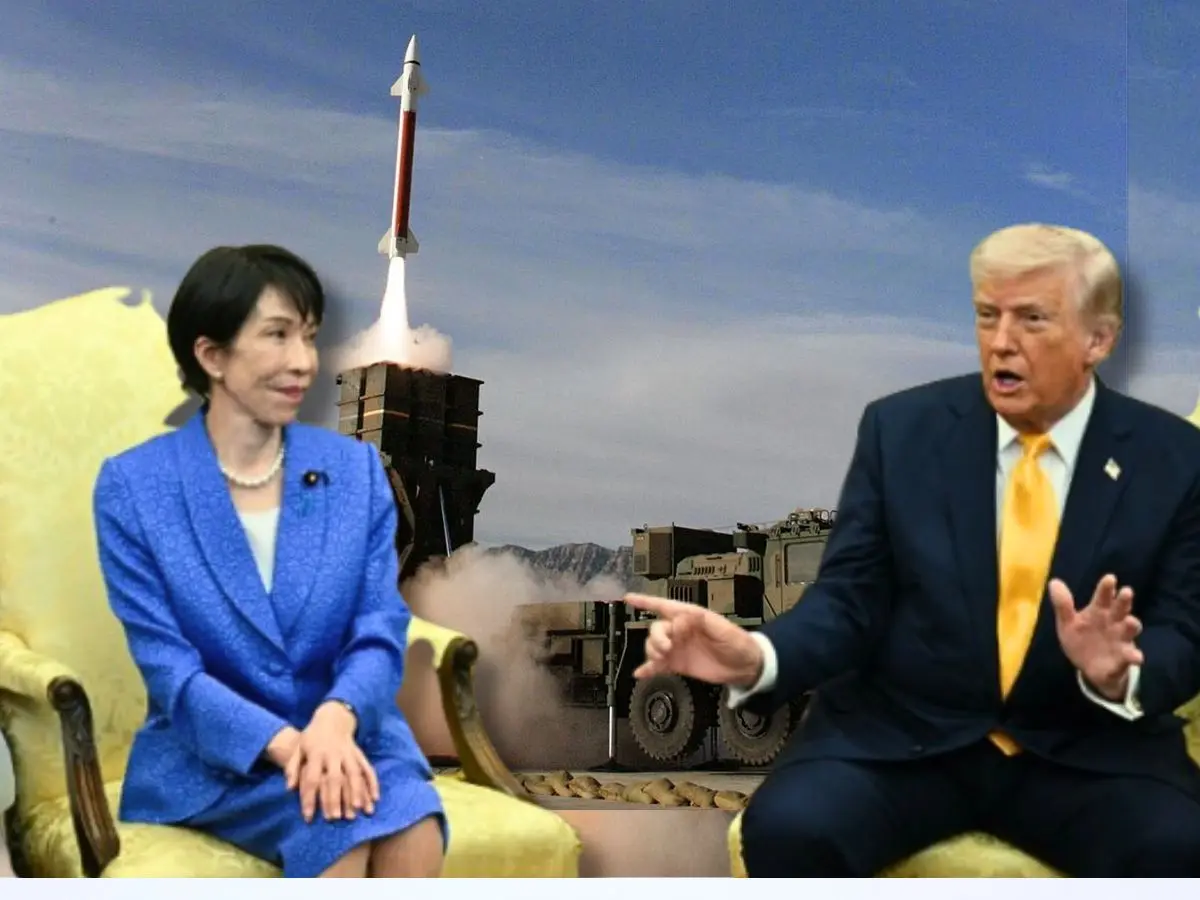
A historic policy shift takes shape
Japan is preparing its most significant overhaul of arms export rules since World War II, marking a decisive turn from decades of self-imposed restraint. The move, expected to be formally adopted within weeks, reflects Tokyo’s intent to enter the global defence market in a meaningful way after years of near-isolation.
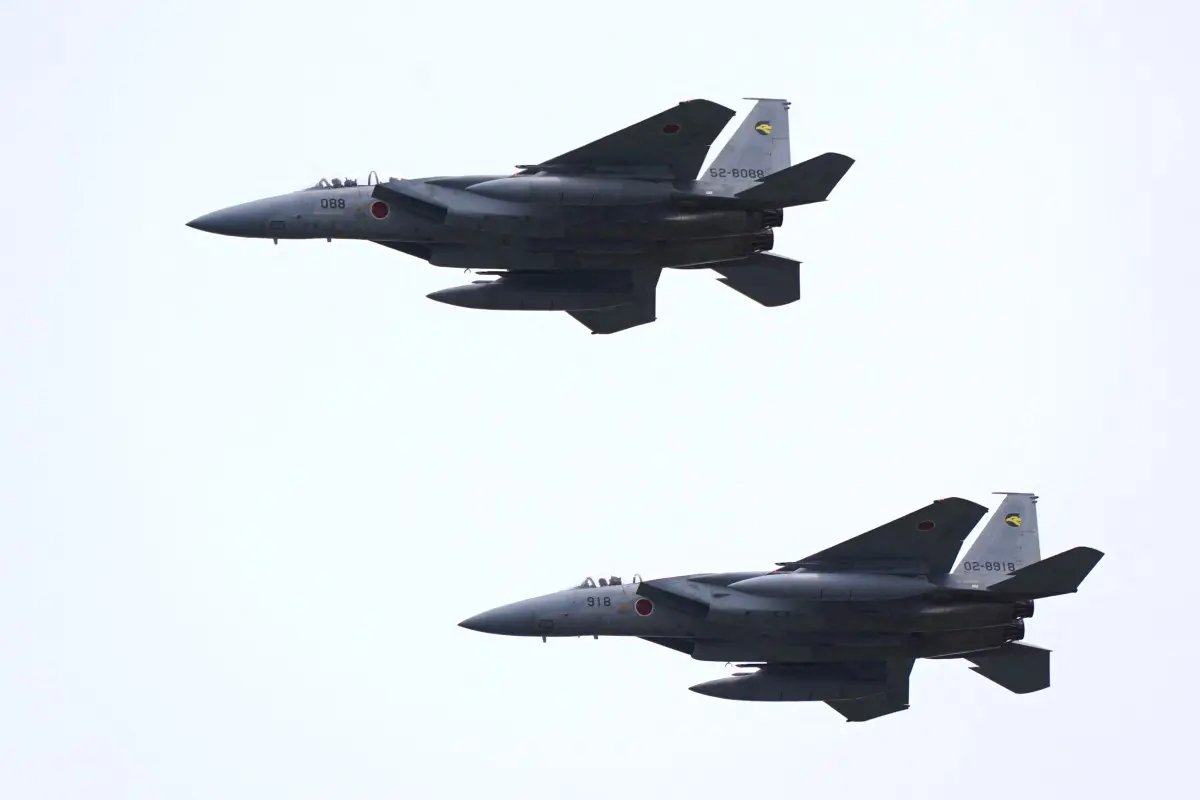
Allies seek alternatives amid US uncertainty
The shift comes as US allies reassess their dependence on Washington. Strained weapons supplies due to conflicts in Ukraine and the Middle East, coupled with concerns over fluctuating US security commitments, have prompted partners from Europe to Asia to explore alternatives. Japan’s emerging role is increasingly seen as part of that diversification.
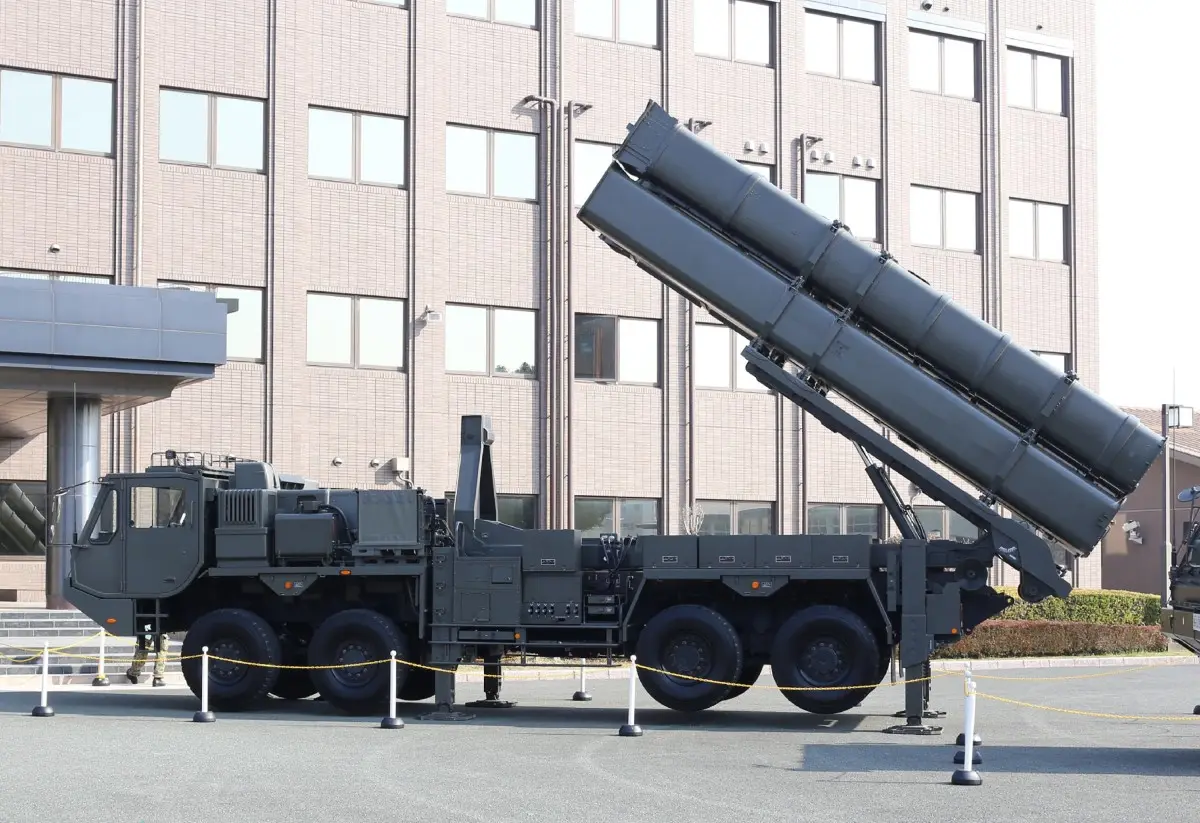
From pacifism to production power
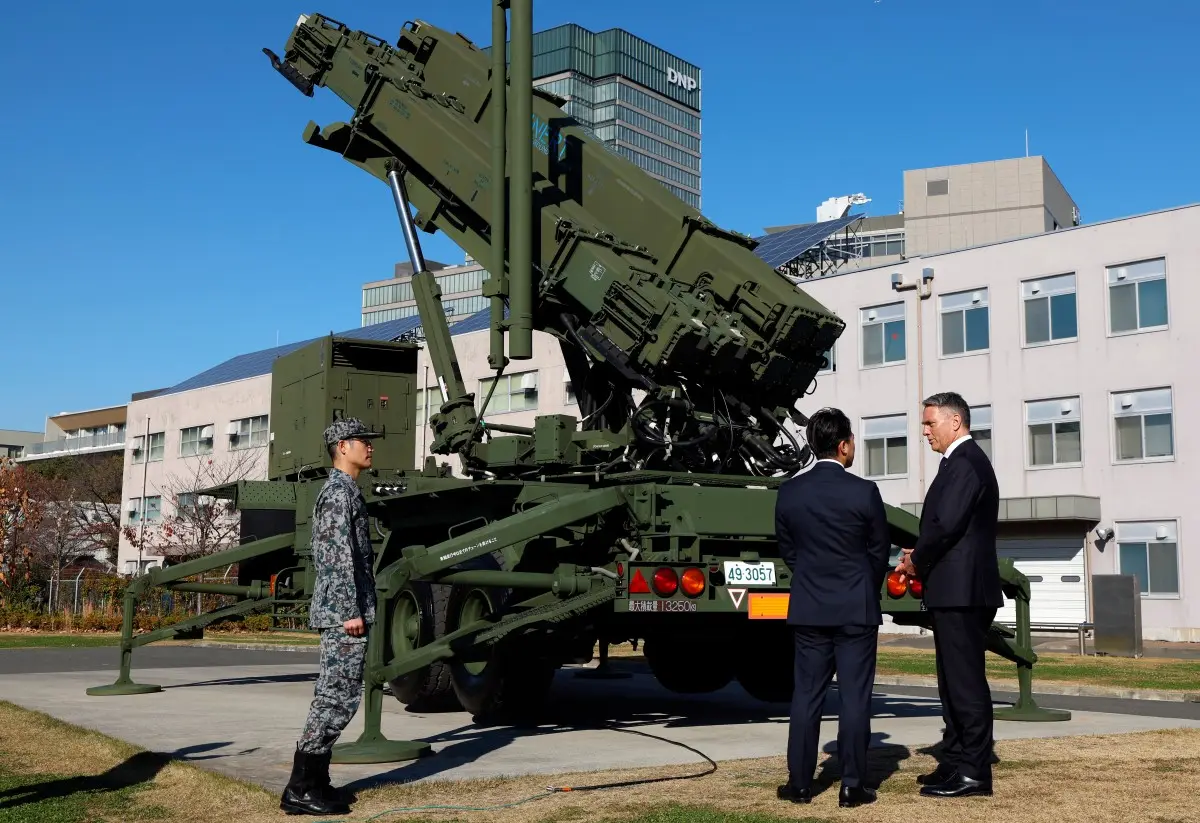
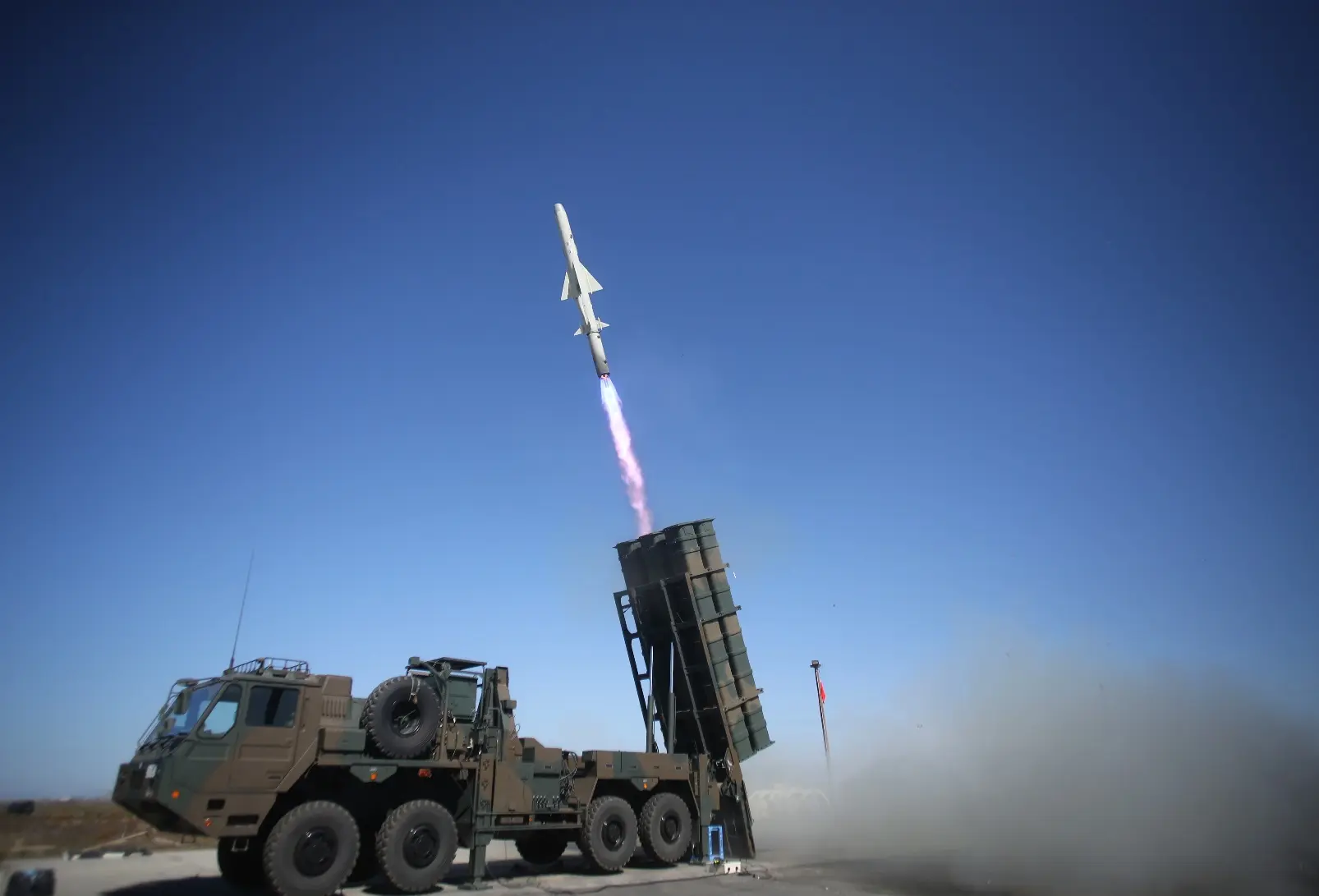
Despite its pacifist constitution, Japan already maintains a substantial defence industrial base, supported by annual military spending of around $60 billion. This enables domestic production of advanced systems, including submarines and fighter aircraft. The new policy framework aims to convert this capability into export potential. Japan’s move to ease arms export rules has sparked wide interest, from Warsaw to Manila, according to Reuters.
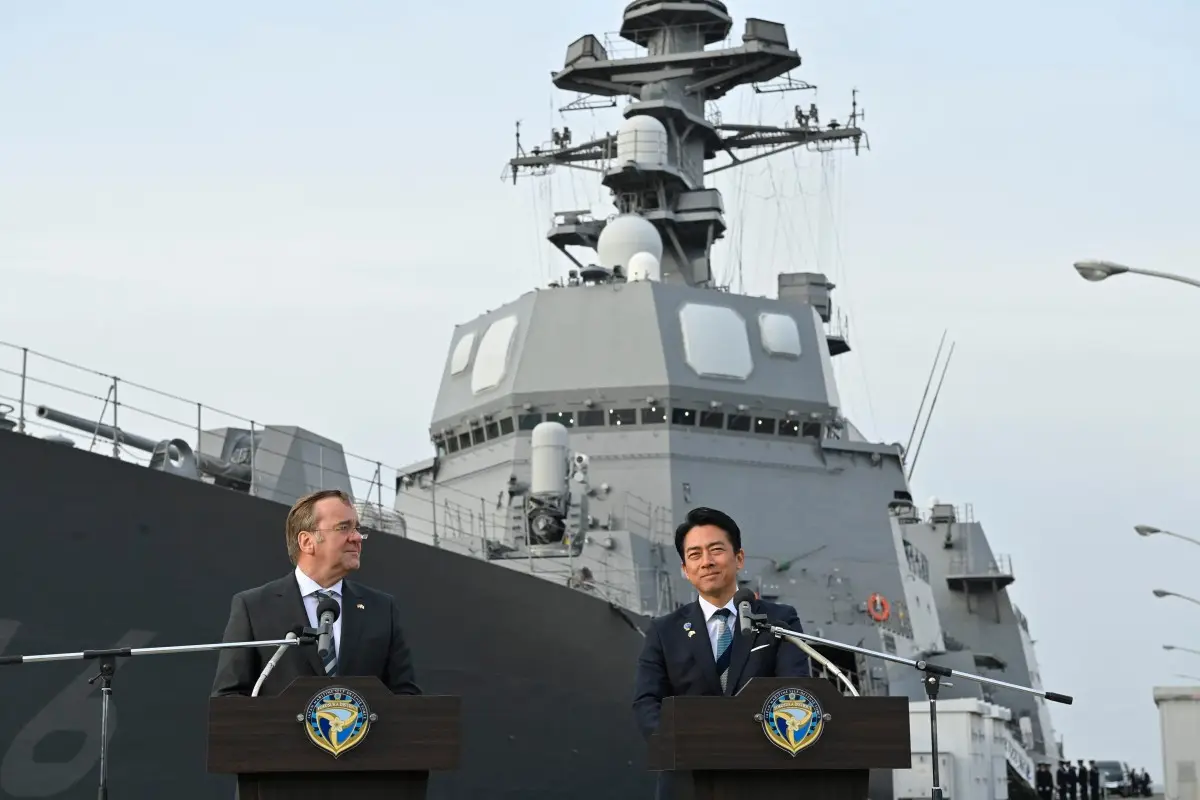
New rules widen export pathways
The revised regulations will allow Japan to export defence equipment produced under foreign licence, including finished systems, to partner nations and potentially onward to third countries. The Polish military and Philippine navy have emerged as potential buyers, as both accelerate modernisation amid rising regional security pressures, Reuters reported, citing Japanese officials and diplomats in Tokyo.
Growing interest from Europe and Asia
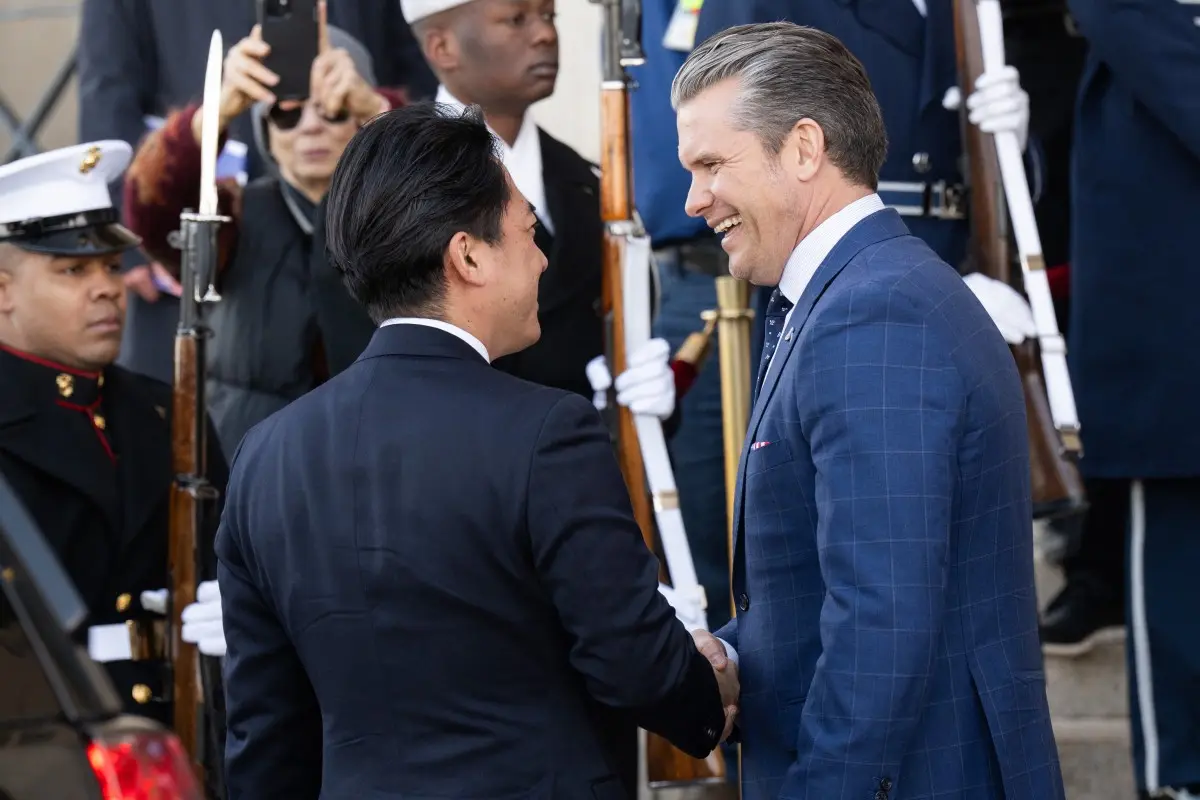
One of the first agreements likely to be approved by Prime Minister Sanae Takaichi’s government is the export of used frigates to the Philippines, according to Japanese officials cited by Reuters. The move comes as Manila faces ongoing maritime tensions with Beijing in the South China Sea, adding urgency to its naval modernisation efforts. At the same time, Japan is exploring deeper defence cooperation with European partners such as Poland, particularly in areas like anti-drone and electronic warfare systems, as both sides look to address capability gaps and strengthen their defence industries. European diplomats also see Japan’s entry as a chance to reduce reliance on US defence supply chains, which is strained by conflicts.
Industry prepares for expansion
Japanese
firms are beginning to respond. Mitsubishi Electric and Toshiba are
expanding hiring and production capacity. “Offers are coming from
everywhere,” said Masahiko Arai of Mitsubishi Electric. Toshiba plans to
recruit hundreds of staff, signalling growing confidence within an
industry once wary of reputational risks tied to arms exports.
Why allies are diversifying beyond the United States
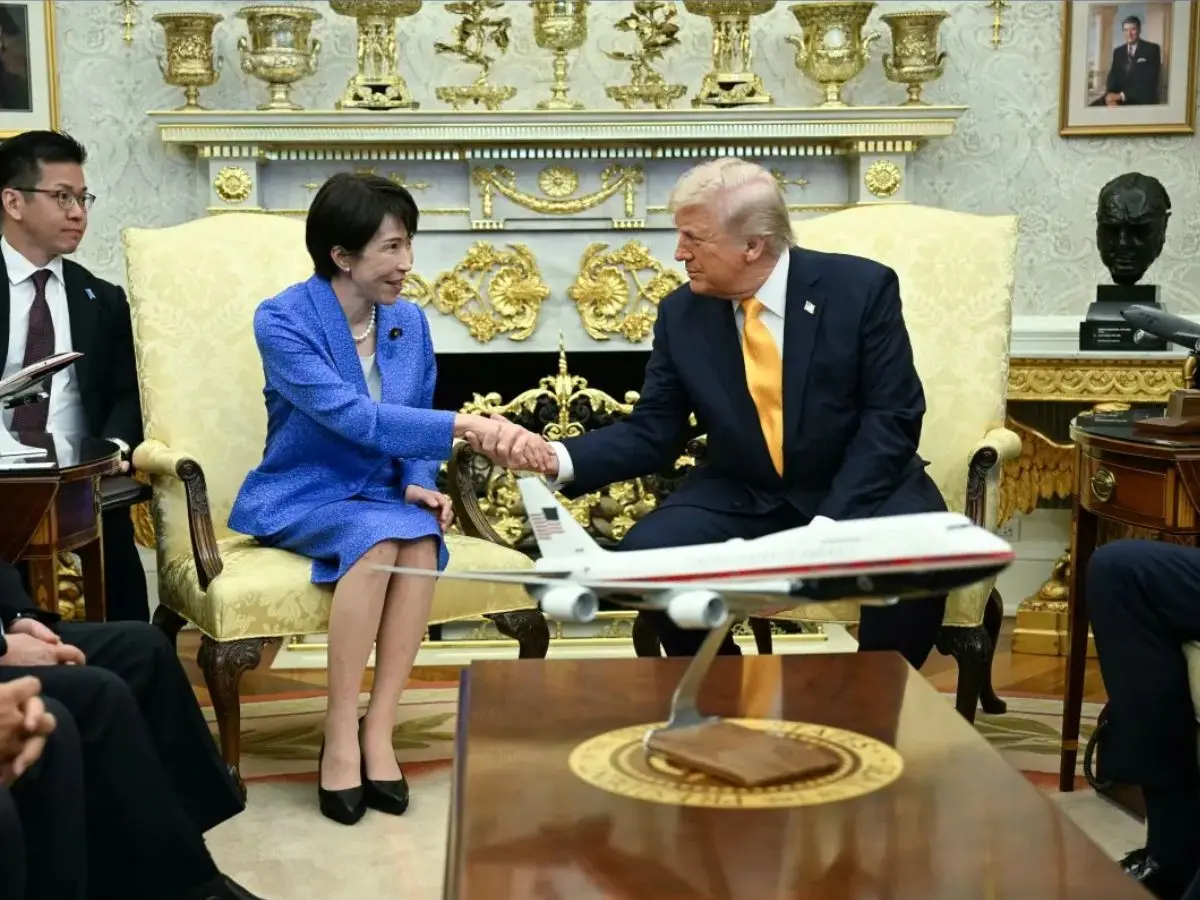
Concerns over policy unpredictability under Donald Trump have accelerated efforts by US allies to diversify defence partnerships. Diplomatic unease, ranging from threats to reassess NATO commitments to broader strategic ambiguity, has coincided with long-standing frustrations over Washington’s foreign military sales system, often criticised for delays, rising costs and strict technology controls. While successive US administrations, including Trump’s, have encouraged allies to shoulder greater defence responsibility, these constraints have pushed countries to seek alternative suppliers. Japan’s policy shift aligns with this need, aiming to build more resilient and diversified defence supply chains, particularly across Asia, rather than relying overwhelmingly on the United States.
What SIPRI data reveals about global defence dependence
Data from the Stockholm International Peace Research Institute (SIPRI) hihlights the scale of US dominance in global arms supply. Between 2021 and 2025, the United States accounted for 95 per cent of Japan’s arms imports and remained the primary supplier to several key allies. Japan, despite its industrial strength, ranked only sixth among global arms importers and did not feature among the top exporters, even as its imports rose sharply by 76 per cent from 2016-20. However, its defence industry is comparable in scale to major producers such as South Korea, Germany and Israel. Reuters noted that South Korea is now a leading defence supplier to Poland and the Philippines, but Japan’s larger economy gives it greater potential.


No comments:
Post a Comment
Note: Only a member of this blog may post a comment.