
 Posts
Posts


Watching Iran, China Hopes to Learn New Tricks for the Taiwan Strait
Beijing is learning a lot from Iran’s Hormuz Strait closure and how it could apply Tehran’s methods to a future conflict with the U.S. over Taiwan.
Even as China wants the latest Middle Eastern conflict to wind down so it doesn’t damage China’s export-oriented economy, militarily, the conflict has been an intelligence gold mine for China. Beijing has shown it is tracking U.S. efforts in the Strait of Hormuz closely, fine-tuning its estimates of U.S. capabilities. China is also studying how Iran has largely succeeded in keeping the U.S. Navy outside the Persian Gulf and disrupting commercial shipping there.
Iran’s use of geography and low-cost units to impose economic pressure on the United States and its allies is a plan China may seek to implement itself in the Taiwan Strait during any future confrontation with the U.S. over Taiwan.
Today the Strait of Hormuz, Tomorrow the Taiwan Strait?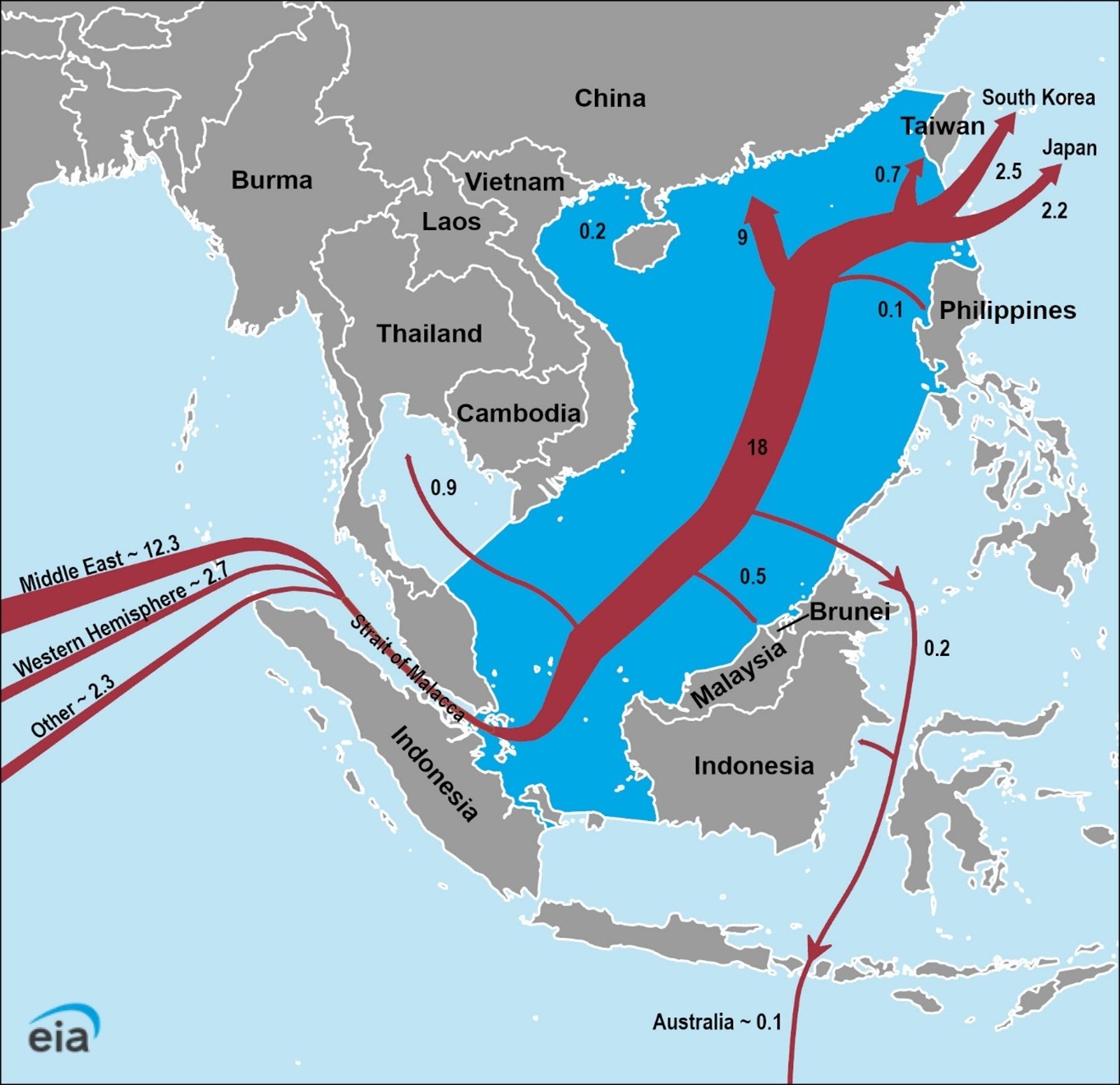 Since the U.S. and Israeli attacks on Iran began on February 28, China has maintained an arm’s length position from Tehran in public. Diplomatically, China has walked a fine line between condemning the U.S. and Israeli strikes against Iran and expressing concern about Iranian attacks against targets in the Gulf states.
Beijing buys around 90 percent of Iran’s oil exports, and the United States believes the Chinese government allows China-based firms to continue shipping parts and materials to Iran to manufacture new drones and missiles. However, China’s relationships with the Gulf states are far more important for its economic and foreign policy goals than the discounted energy it buys from Iran. As a result, China has urged both sides to de-escalate.
However, China and Iran’s strategic situations share some similarities, with both seeking to counter U.S. air and naval superiority in the event of a conflict. We’re unlikely to see Washington deploy significant numbers of ground troops in either Iran or the Taiwan Strait. Iran borders the Persian Gulf and the Strait of Hormuz, through which around 25 percent of seaborne oil and almost 20 percent of global LNG supplies pass, alongside other vital goods like fertilizer. Meanwhile, Chinese territory runs along the western side of the Strait of Taiwan, one of the world’s busiest shipping lanes. Around 44 percent of global container shipping passed through the Taiwan Strait in 2022.
Iran’s use of cheap, long-range one-way attack aerial drones, ballistic missiles, and suicide drone boats to disrupt commercial traffic through the Strait of Hormuz gives China a potential template to copy in the event of a future crisis with the United States over Taiwan. Iran also possesses significant stockpiles of Chinese-made anti-ship cruise missile batteries. Beijing will be interested in assessing the deterrent effect these still have on the United States, given its own use of shore-based missiles and artillery to threaten Taiwan and any U.S. Navy assets that come to the self-ruling island’s defense.
Would China Really Disrupt Global Trade?
An obvious difference between the two countries, however, is the structure of their economies. Iran’s economy is in ruins due to U.S. sanctions and state mismanagement, but this has helped insulate it from the fallout of its tactics in the current conflict. Meanwhile, China’s economy is export-oriented and therefore vulnerable to the kind of economic disruption that Iran has caused in the Strait of Hormuz.
Nevertheless, China’s regime has made preventing Taiwan’s formal separation from the mainland a key plank of its legitimacy. Moreover, given Western countries’ reliance on tools like sanctions to punish aggressors in past conflicts, like Russia’s invasion of Ukraine, Beijing has likely already priced in a severe economic shock for China as part of its planning for a future conflict over the island.
Indeed, starting a blockade and disrupting commercial shipping, often belonging to Taiwan’s allies, during a crisis over Taiwan may appeal to Beijing more than the alternative. China currently lacks sufficient landing craft to invade Taiwan, per the most recent U.S. assessment of Chinese military capabilities. Nor is there any current indication that China is “significantly expanding its number of tank landing ships and medium-sized landing craft.” The Taiwan Strait’s notoriously inclement weather for most of the year would make attacking outside April or October risky. Meanwhile, China’s lack of experience in mounting combined arms operations outside its territory would also lead to accidents and delays, giving U.S. air and sea forces more time to respond to Taiwan’s calls for aid.
China does have plenty of experience conducting naval and aerial exercises around Taiwan and within the strait itself, however. It even simulated blockading the island’s ports in the most recent of these exercises, in December 2025.
In August 2022, when China conducted large-scale military exercises surrounding Taiwan, it also disrupted global shipping and air traffic, despite Beijing leaving the waterway open. If China shut the Taiwan Strait to global shipping like Iran did in Hormuz, delivery times to Western states and other countries would shoot up. The U.S. attack on Iran also inadvertently showcased Taiwan’s vulnerability to a Chinese blockade, when the island’s reliance on LNG deliveries via the Strait of Hormuz meant it was threatened with power cuts earlier this year.
Could China Deter the U.S. Navy?
While it will monitor Iran’s situation, in the event of a conflict over Taiwan, China’s strategy already envisages denying the U.S. Navy access to the Taiwan Strait. It has stockpiled at least 1,400 ballistic and cruise missiles in southern and eastern China that could be fired at U.S. surface vessels, including the DF-21D and DF-17 missile systems.
China’s military has converted hundreds of obsolete J-6 fighters into attack drones, per a report last month from the Mitchell Institute for Aerospace Studies, which tracks Chinese airpower. Beijing is also experimenting with drone minelayers with the intention of using these to hinder U.S. vessels in the Taiwan Strait in the event of a naval confrontation. These precautions would significantly raise the cost to the United States of a naval intervention in Chinese waters.
During the present Iran conflict, allied governments turned down U.S. requests to help demine the Strait of Hormuz without a ceasefire first due to the threat to their warships from Iranian mines, drones, and missiles in the narrow waterway. While U.S. allies are now planning to dispatch a flotilla to demine the Strait, it will only operate after the war is over.
Given this recent example, Chinese officials will undoubtedly conclude that building up further drone fleets and missile stockpiles remains a safe strategy to deter the United States from operating naval units near the mainland in the event of a future conflict in the Taiwan Strait. Five of Taiwan’s eight major ports are on the island’s western coast, on the Strait side, so China deterring U.S. vessels’ arrival would make it easier to blockade the island’s key trading hubs.
Conclusion
Iran’s strategy to keep the Strait of Hormuz closed until Washington negotiates terms that Tehran finds acceptable relies on endurance to beat a superior adversary. Given Iran is much less militarily powerful than China, its ability to keep fighting despite the U.S. and Israel’s attacks, including their ability to track and hit large numbers of targets and kill key commanders, will attract Chinese interest.
China will also note that future U.S. administrations will likely be reluctant to trigger conflicts where their adversaries can use global maritime chokepoints as economic leverage. In short, the Persian Gulf conflict is likely to confirm for China that it should mimic Iran’s approach to deterring the United States in the event of a conflict over Taiwan, even as conquering the island itself remains challenging for Beijing at its current level of capability.


No comments:
Post a Comment
Note: Only a member of this blog may post a comment.