
 Posts
Posts


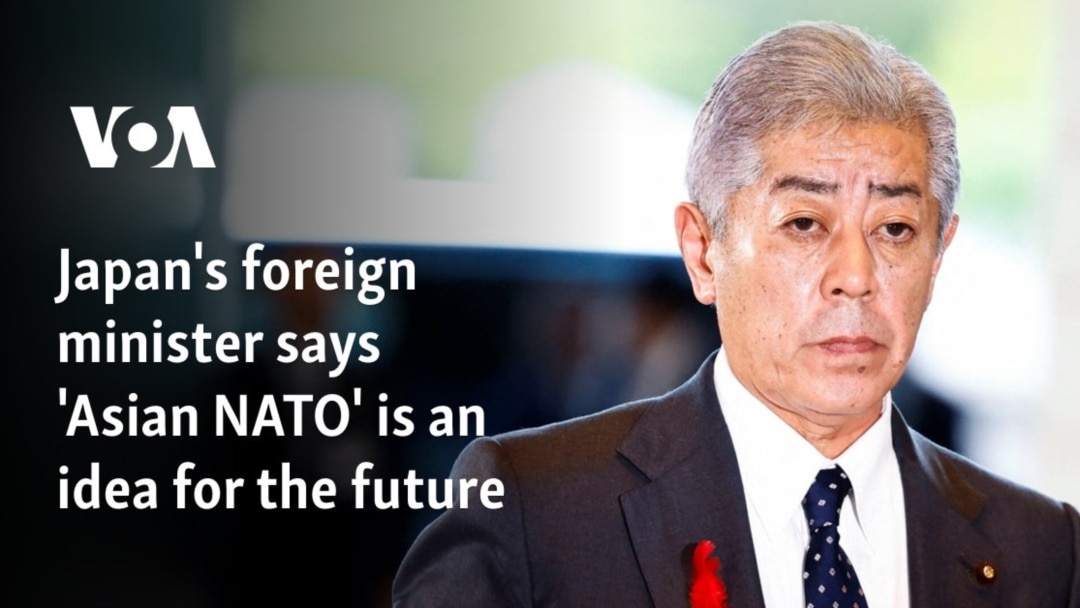 When Beijing blacklisted 20 Japanese firms and sanctioned lawmaker Keiji Furuya from Japan's ruling Liberal Democratic Party, the intent was theatrical clarity: a signal that Japan's drift toward Washington and Taipei carries consequences. But the timing tells a different story. Rather than shaping Tokyo's choices, the move come after the fact, a "loud, public performance" that risks hardening Japan's stance instead of deterring it.
The real story began years earlier. After the 2010 Senkaku incident, Japan moved to "de-red" its supply chains, treating China as a "structural supply risk." By the time Beijing rolled out new export controls, Tong writes it was "not confronting a complacent partner but a country that had already internalized China as a structural supply risk." As a result, "Japan is not being nudged away from an otherwise comfortable status quo; it is being shoved further down a path it had already chosen."
"What is clear is that the fire driving Japanese policy does not come from a new list in Beijing but from earlier experiences of vulnerability and coercion," she says. "Those embers have been smoldering since 2010, and in the years since, they have been fed by every hint that economic ties can be turned into political weapons. Beijing's latest sanctions do not extinguish that fire. They simply throw more fuel on it, illuminating for anyone who cares to look how far Japan has already moved, and how little room is left for China to pull back."
Sunday, April 19, 2026
Cina hardening Japan's "Asian NATO " thinking

Subscribe to:
Post Comments (Atom)


No comments:
Post a Comment
Note: Only a member of this blog may post a comment.