
 Posts
Posts


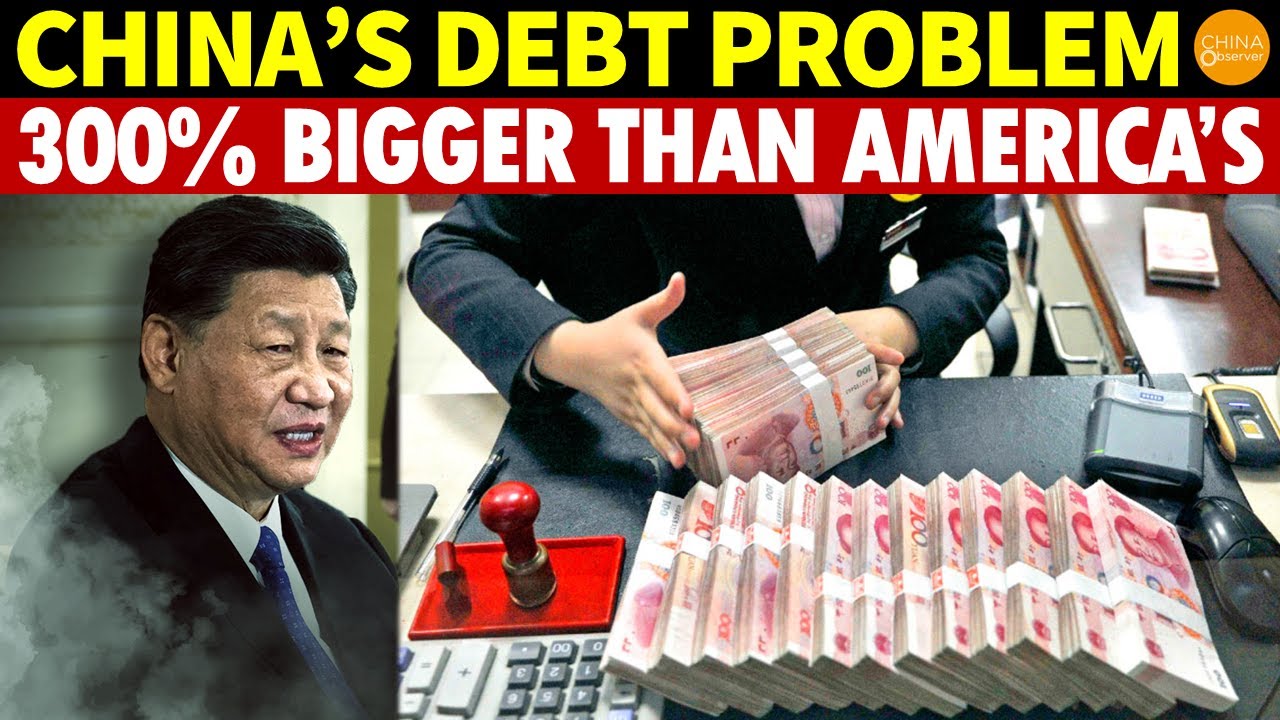 China has added more than $43 trillion in debt since Xi Jinping took power. That’s not a typo.
The Wall Street Journal’s latest reporting lays out the math: China’s total debt to GDP blew past 300% in 2025, up 60 points since 2019, now higher than the United States. Most of that growth didn’t come from Beijing’s own books, the central government’s debt stays relatively modest at around 30% of GDP. It came from local governments, through murky financing vehicles cities and provinces used to hit growth targets, many of them pouring money into real estate that then collapsed.A broader IMF measure that counts both official local debt and those shadow vehicles puts China’s real government debt load at 127% of GDP, up from 98% just five years ago.
Here’s where the money went: factories and apartments nobody needed enough of. That mismatch triggered price wars, squeezed profits and wages, and now feeds directly into deflation and weak demand at home.
And it doesn’t stay home. Chinese companies carrying all that debt keep producing more cars, solar panels, and electronics than China itself can absorb. The surplus gets exported, undercutting prices everywhere else and fueling the trade fights now playing out with country after country.
Economists call this the real signature of the Xi era: investment-driven growth long after the investments stopped paying off. The capital controls and state-run banks mean China probably avoids a sudden collapse. What it doesn’t avoid is a slow bleed, years of suppressed returns and weaker growth, while everyone downstream absorbs the overflow.
Sunday, October 18, 2026
China has added more than $43 trillion in debt since Xi Jinping took power.

Subscribe to:
Post Comments (Atom)


No comments:
Post a Comment
Note: Only a member of this blog may post a comment.