
 Posts
Posts


Thursday, October 2, 2025
The Side of the Palestinian Story They Don't Tell You
When millions of Palestinians were displaced from Gaza in 2023, not a single Arab country opened its borders.
Not Egypt. Not Jordan. Not Saudi Arabia.
This video explains why.
To understand this silent rejection, we go back to 1948 — to the origins of the Palestinian refugee crisis and the Arab-Israeli conflict.
From the Nakba to Black September, from the Lebanese Civil War to the Gulf War, we trace how the Palestinian cause shifted from a shared Arab ideal to an unwanted burden.
Discover how Pan-Arabism used the Palestinians as a symbol but rejected them as people.
How internal fears, demographic tensions, and political survival turned Arab regimes against the very refugees they once defended.
And how the Abraham Accords, the rivalry with Iran, and the rise of Hamas changed everything.

Palm Oil Facts and Fiction

Palm Oil Facts and Fiction
Want to get confused really fast, with no annoying delay? Read about palm oil on the Internet. Try to see if it's good for you or bad for you, or whether it's an environmental disaster or harmless. If it's good for developing nations or bad for them. If it's a medical miracle or snake oil. Even sources you trust are likely to give conflicting interpretations. Today we're going to look at the basics about palm oil, and dissect some of the many pop-culture claims attributed to it.
Palm oil is an edible vegetable oil which comes from (obviously) certain palm trees. There are three kinds: the regular kind derived from palm fruit pulp which is the main topic for today, and palm kernel oil and coconut oil, which come from the kernels of palm fruits and are very similar to one another. Palm oil is refined and sold worldwide as a commodity. Its main use is in food. It can be processed into cooking oil, or into an ingredient in baked goods and many other food products. It's also used to make biodiesel. But as a food product, it's inexpensive and widely used, particularly in developing nations as an important calorie source. It is the world's most consumed vegetable oil. Worldwide, the average person consumes 7.7kg of it each year, a number that has more than doubled in the past two decades.
Controversies surrounding palm oil fall into two main categories. First is that since 85 percent of it is grown in Malaysia and Indonesia, it has a huge economic, social, and environmental impact on those nations. Those pressures bring good things and bad things. The second category of controversy is health effects of eating it, and we'll talk about that first.
As an oil, palm oil's principal ingredients are fats. A quick review on dietary fat: the types we hear about most often are differentiated by whether and how much they are hydrogenated. Regular fat naturally has its carbon atoms mostly linked together with double bonds. An industrial process called hydrogenation breaks those bonds and caps them off with hydrogen atoms, preventing them from re-attaching to other carbon atoms. This physical re-shaping of the molecule, consisting of a long chain of these bonds, is what governs the way it interacts with our bodies biochemically.
Fat that has not been hydrogenated at all is called unsaturated fat, and it's of least concern for health. Fat that has had all of its carbon bonds hydrogenated is called saturated fat (saturated because it's full of all the hydrogen it can hold), and saturated fat is where we start to see health concerns. Saturated fats raise cholesterol levels in your blood, so they should be minimized in your diet. But even worse than saturated fat is partially hydrogenated fat, also called a trans fat. Some carbon bonds are double, and some are hydrogenated. The physical shape of this molecule encourages it to do all kinds of things we don't want it to do in our bodies, and it's the worst offender for raising your cholesterol and clogging your arteries. (Some trans fats do occur naturally, but the vast majority in our food are those that we make and add ourselves.)
So, we might ask, why do we even make trans fats? We discovered in the 1950s, before its adverse health effects were understood, that it's awesome for food products. Trans fats have just the right melting point to make a spreadable product with really nice consistency, and they also allow frying oil to be used over and over again.
Palm oil consists of about half saturated fats, and half unsaturated fats — but no trans fats, and yet they offer virtually the same benefits for food products. Lard is just the same. Together, lard and palm oil comprise the most common natural sources of saturated fats, mixed with unsaturated fats. This blend gives them cooking properties comparable to many of the trans fats, and they both come in solid blocks that are soft. Like trans fats, palm oil makes spreadable products nice to spread — a notable example of which is the chocolate hazelnut spread Nutella, which has been in the news for consisting of more palm oil than hazelnuts, which works great for what that product is.
But palm oil is hardly a miracle wonder oil. Although it's free of trans fats, the research is mixed on whether it's any better or not. Moving from trans fats to saturated fats is like jumping out of the frying pan into the boiling cauldron; it's not really all that much better. Moving toward unsaturated fats is always going to be the more sensible direction.
But for some, particularly in developing nations where vitamin A deficiency is common, unrefined palm oil is actually a beneficial part of the diet. Unrefined, it's called red palm oil, due to its high beta-carotene content. Beta-carotene partially converts to vitamin A in the intestinal wall. In such regions of the world, it's both a convenient source of much-needed calories, and a useful dietary supplement.
That, however, is where its benefits end. Contrary to the claims made by Dr. Oz and any number of other snake oil salesmen, no form of palm oil has any kind of miracle health benefits. In 2013, Dr. Oz said that red palm oil "helps stop the signs of aging inside and out", that it can "fight belly fat, and combat heart disease", that it can "[extend] the warranty of nearly every organ in your body" and that "this mega-oil may very well be the most the most miraculous find of 2013". The homeopath whom Oz brought on his show to continue the promotion said palm oil will "protect us against Alzheimer's", "increase blood circulation", and "reduce incidence of dementia". If that's not enough, Oz then claimed that people who took red palm oil "lowered their bad cholesterol by nearly 40% in one month", and summed up with the exact opposite of the truth that it will "remove plaque build-up in arteries". But Dr. Oz is hardly the only promoter of these flagrantly untrue and implausible claims. Search any online bookstore for palm oil (or coconut oil) and you will be simultaneously amazed and depressed by the number of authors and publishers who brazenly promote this unhealthy additive that you should be trying to minimize as the secret to miracle super health. There is not a word of truth in any of it.
The false health claims aside, these are the basic reasons why palm oil is everywhere and growing fast: great for food products, free of trans fats, and inexpensive. That's great for Malaysia and Indonesia, also Nigeria and a dozen other countries that are also producers.
And this segues into our second area of palm oil controversy, the social and environmental impacts. There have been plenty of complaints about human rights and low-paid workers in the palm oil industry. However, a review of the economics of these nations reveals that this problem is endemic in many industries in the regions where it exists, and has nothing to do with the palm oil industry specifically. So this is not a compelling argument in the question of whether palm oil itself is a good or a bad product.
But there is one area where we can pull the focus much tighter on palm oil specifically compared to other industries, and that's deforestation. Deforestation is always a tricky mine field of a subject to discuss. Emotions run high. Misinformation does exist. As worldwide demand for palm oil escalates, producing countries are tearing out their old growth forests and planting oil palms. Loss of habitat has been especially hard on orangutan populations. Loss of forest releases previously sequestered carbon into the Earth's carbon cycle. The oil palms absorb some of it back in, but tidy groves contain far less biomass than thick natural forests. Peatlands, much of which have been reclaimed for oil palms, can contain more than 20 times as much carbon as the forests above them. In 20 years, some 150,000 square kilometers of forest have been converted into oil palms. That's a drop in the bucket compared to world agriculture overall, but it's a step in very much the wrong direction.
So much so that in January of 2018, the European Union instituted a ban on palm oil in biodiesel, a phase-out to be completed by 2021. Deforestation was the reason given. Palm oil producers, however, charged that the real reason was protectionism to favor grapeseed and other products suitable for biodiesel that are produced inside Europe. There is probably an element of truth in both claims.
Addendum: A lot of you have written in thinking that I meant rapeseed instead of grapeseed. Although rapeseed is commonly used for biodiesel, grapeseed — a waste byproduct of European wine production — is what the palm oil producers were talking about. —BD
This is a good place to talk about the RSPO, Roundtable on Sustainable Palm Oil. This is an industry group that was formed in 2004 and consists of representatives from all areas of the palm oil industry. Faced with mounting criticisms of the social and environmental impacts of palm oil, the RSPO seeks to certify practices which meet sustainability standards of international watchdogs, notably including the World Wildlife Fund which takes a special interest in the orangutans of Indonesia. About 40% of global palm oil production is certified as sustainable by the RSPO, however criticism of its standards and of its inherent conflict of interest remains; and rightly so, whenever any industry is allowed to self-certify. The harshest critics of deforestation, such as Greenpeace, have claimed that RSPO simply bends to the whims of its largest and most influential member producers. As it's hard to develop new palm crops without finding land, RSPO standards have historically looked the other way on deforestation. It's an issue they are keenly aware of, and the situation does seem to be improving as they move toward zero deforestation standards. Their next-generation certification, RSPO NEXT, uses third-party certification. Regardless, RSPO certified palm oil is probably going to be the most environmentally friendly available, if imperfect.
So that's a basic overview. Palm oil in your diet is not the end of the world so long as you keep it in reasonable amounts — the occasional pie crust is not going to hurt you. Think of it as you would any confectionery item; something to be minimized. Do not look to it in any form as a miracle cure, or part of a weight loss or anti-aging program — all of that is complete nonsense. If you do buy a product that contains palm oil, choose one that bears the RSPO certification logo — the packaging should show a little palm icon that says Certified Sustainable Palm Oil (unlike many other logos affixed to certain food products, this one is actually likely to mean something significant). As far as all the wild Internet rumors go, the only one that has a large amount of truth to it is the deforestation — and that's one that every consumer can help to curb.
By Brian Dunning
Wednesday, October 1, 2025
川普精准切割“铁兄弟” 巴铁要抛弃中共?
 有社媒热帖称“巴基斯坦要抛弃好兄弟中共”“川普等高级官员会见巴基斯坦总理和陆军参谋长”,引发网民热议。
据美联社报道,2025年9月25日,美国总统川普在白宫与巴基斯坦总理谢里夫举行闭门会谈,巴方还带来陆军参谋长穆尼尔一同出席。会谈中,双方讨论了贸易、投资、反恐等议题,是近期美巴关系显著升温的标志。另据路透报导,谢里夫在会场上呼吁美国公司投资巴基斯坦的农业、采矿、技术与能源领域。 这次会面被视为华府对巴基斯坦策略的调整,也是巴方在中美竞争中的外交布局。然而,把这样一次会谈理解为“彻底抛弃中共”,显然言过其实。中巴长年有基础设施合作、能源、军工往来,即便巴方想与美国拉近关系,也不太可能在短期内撕断与中共的联系。
巴基斯坦此举更像是在大国博弈中“摇摆外交”,而非彻底向中共翻脸。对中共而言,若面对这种战略游走无动于衷,则可能在南亚阵线失去一枚关键棋子。北京若继续以单边援助与依赖策略控制巴基斯坦,而忽视对方自主空间与利益诉求,那么未来“战略倒戈”可能会以更猛烈的方式来临。 美国总统川普在白宫与巴基斯坦总理谢里夫及陆军参谋长穆尼尔举行闭门会谈,被视为华府在南亚的重大外交突破。这一动作,被外界解读为川普在中美博弈中“精准切割”中共的传统盟友,撕开其所谓“铁兄弟”关系的口子。
 会谈内容涵盖稀有矿产合作、投资与安全事务。据路透社报导,谢里夫在会场上公开呼吁美国企业在农业、能源、采矿与技术领域加大对巴基斯坦的投资,显示巴方意在加速与美国绑定,平衡过去长期依赖中共的一边倒局面。
巴基斯坦一直被中共吹捧为“铁杆盟友”,但实际上更多是因地缘政治需要借中共牵制印度。如今川普直接把手伸向巴军方与政府高层,无疑在中共苦心经营的南亚布局上撕开一道口子。
这一外交动态不仅意味着中共“兄弟情”的虚假面具被揭开,更显示川普在运筹帷幄的同时,精准打击中共最脆弱的战略依赖链条。“巴基斯坦并非真心依赖北京,它们的关系更多是互相利用。川普此举,是让中共失去了‘小兄弟’的安全感。”“川普没有用一兵一卒,就在外交上敲掉了中共一颗最倚重的棋子。”
半岛电视台调查报导纪录片:中国利用一名涉嫌犯罪者游说巴拉圭与台湾断绝邦交关系

半岛电视台调查报导纪录片:中国利用一名涉嫌犯罪者游说巴拉圭与台湾断绝邦交关系
半岛电视台电视台日前发布报导新闻纪录片「中国利用一名涉嫌犯罪者游说巴拉圭与台湾断绝邦交关系?」此纪录片讲述,卧底记者揭发中共如何透过一个被怀疑是罪犯的中国人,在巴拉圭渗透政界并贿赂巴拉圭政治人物与总统候选人来达到政治手段与经商。
半岛电视台电视台(Al Jazeera)日前发布报导新闻纪录片「中国利用一名涉嫌犯罪者游说巴拉圭与台湾断绝邦交关系?(Is China using an alleged criminal to get Paraguay to ditch Taiwan? I 101 East Documentary)」。此纪录片由记者James Leong及Lynn Lee制作,纪录片调查长达三年,片长43分钟。卧底记者揭发中共如何透过一个被怀疑是罪犯的中国人,在巴拉圭渗透政界并贿赂巴拉圭政治人物与总统候选人来达到政治手段与经商。
巴拉圭是少数与台湾有邦交的国家,亦是台湾在南美唯一的邦交国,中共一直想争夺台湾的邦交国。巴拉圭与台湾在1957年建交,目前双方首都设有彼此大使馆,台湾在巴拉圭第二大城东方市设有总领事馆。在1988年后台湾与乌拉圭断交,巴拉圭便成为南美洲唯一与台湾有正式外交关系的国家。
然而,台巴两国的外交关系并非一路顺遂,中共屡屡尝试挑战两国友邦关系。 2020年巴拉圭左派联盟就曾在国会参议院提出动议,表决是否与中共建交。最终反对票大于同意,动议被挡下。
但在疫情期间,巴拉圭再度面临中共「疫苗外交」的压力,但当时巴拉圭总统阿布铎表示,对于向各地采购疫苗没有问题,但不接受任何形式的勒索。但到了2022年,巴拉圭总统还是要求台湾向巴拉圭投资10亿美元,来巩固双方外交关系。
关键「中间人」中国籍商人施弟仔
 半岛电视台调查报导纪录片中讲述一位长住巴拉圭的商人施弟仔,如何在巴拉圭利用其人脉左右巴拉圭政商动向。施弟仔是巴拉圭「巴中国际经济贸易促进会」的总会长,卧底记者以投资者身份,成功混入施弟仔身边。
施弟仔告诉卧底记者,自己如何透过金钱贿赂来营造人脉。就连中国驻巴西大使都告诉施弟仔,他很厉害,能把巴拉圭东方市市长Miguel Prieto搞得服服贴贴。施弟仔甚至称说,他的朋友都笑说,巴拉圭根本是「我们的」。
施弟仔表示,自由党的东方市市长Miguel Prieto想在2028年选总统,而他想要政治资本,也就是钱。这也是为何施弟仔小心翼翼的发展两人的关系。他表示,每个月他送五箱红酒给东方市市长,对他来说一个月500美金是小事,这不值钱。东方市市长Miguel已在2025年8月遭罢免。
施弟仔接着说,他也投资另外几个巴拉圭政治人物,当时巴拉圭两位领先的总统候选人也在其中,施弟仔每个月会付给贝尼亚(Santiago Peña ) 八千美元,另一位则是三千美元。另外他还会给许多私下赞助。
施弟仔更详细解释,他投资政治选举会得到应许。他举例说,假设候选人选上总统,而他投资了一百万美元,他想获得四百万美元的回报。这些回馈包括政府工程等。
中共疫苗外交
纪录片中也提到,在疫情期间巴拉圭与其他许多南美国家一样,医院应接不暇,因疫情死亡人数直直攀升,人民怒气冲天。施弟仔表示,当时巴拉圭政府接洽他希望能购买中国疫苗。他则立刻联系中国驻巴西大使馆,而中国也承诺三百万的疫苗。但这些疫苗最终从未抵达巴拉圭。
反之,巴拉圭卫生部当时却发布新闻稿表示,在疫情期间一位中国籍中间人士向巴国政府表示有管道可以购买到中国的疫苗,但是条件是必须要和台湾断交后才能取得。
当时台湾总统府发言人谷辣斯表示,中国一直试图以各种方式夺取台湾友邦,甚至利用疫苗。中国外交部则反驳,这是典型的恶意虚假讯息。
巴拉圭2023年总统选举
在2023年8月巴拉圭总统大选期间,台湾与巴拉圭的友邦关系又再次跃上舞台。巴拉圭右派政党主导了巴拉圭过往的政治生态。其总统候选人贝尼亚誓言获选将维持与台湾的邦交关系。但左派候选人艾里格里(Pedro Efraín Alegre)则认为与中共建交才是未来之路。
就在总统大选前夕,半岛电视台卧底记者和施弟仔与其合伙人见面。施弟仔当时才结束与中国驻巴西大使会面回来巴拉圭。施弟仔说,这些会面是他将消息上报给中国当局与接收中国相关官员指示的时机。他表示,中国很重视他在巴拉圭的贸易促进会,正因为中国与巴拉圭非邦交关系。
施弟仔提到,像是当时中共20大期间,他就曾接受指示在巴拉圭宣传习近平社会主义思想,并邀请市长、议长和东方市大学教授等。
当施弟仔被问到巴拉圭是否将与台湾断交并与中共建交,他表示时候未到,目前还需把基础在打得深一点,一旦条件和所有的东西都达到,我们就会安排中国国内来接线,但这些东西我们不应该向其他人透露。
但施弟仔也坦承他并不希望巴拉圭与中国建交,因为一旦建交,他的优势就没了。到时会有很多中国建商、大公司等来到巴拉圭。
在巴拉圭复制中国诈骗KK园区
施弟仔与另一位专门为政府做国安的合伙人希望在巴拉圭复制一个有如中国在东南亚所建的大型诈骗园区,KK园区。他们表示在东南亚现在太危险,被抓的风险太大。唯一能做的就只剩南美洲,而巴拉圭政治相对算安全也稳定,且重点是南美洲国家中,唯一与中国未建交的国家就是巴拉圭。
施弟仔说,他已经联系上一位很重要的巴拉圭政治人物,也就是现任副总统亚力安纳(Pedro Alliana)。他表示在签约时就需要付150万美元,这等于是送礼,其中对象包括五位国会议员和巴拉圭副总统。
不过,上述这些报导中所提到的政治人物,在半岛电视台联系求证下都否认受牵连,也否认这些资讯。
美国要转移一半芯片生产 台湾拒绝
美国要转移一半芯片生产 台湾拒绝
美国要台湾一半芯片生产
费加罗报报道美国目前试图减少对台湾芯片生产的依赖,美国商务部长卢特尼克上周末在美国电视网络表示,华盛顿将提出在美台两个经济体之间平分芯片生产的计划。
对此台湾行政院副院长郑丽君向当地媒体表示,台湾不会同意与美国达成在生产一半所有半导体的协议。程丽琼告诉记者台北"从未做出50-50的承诺,也不会接受这样的条件"。
费加罗报分析指出在美国对除半导体以外的所有台湾产品征收 20% 关税后,台北正努力与华盛顿谈判达成贸易协议。
另外美国对人工智能技术日益增长的需求推动了台湾对美国的贸易顺差,使台湾成为特朗普的攻击目标,特朗普指责台湾“窃取”了美国的半导体产业,这对台北的经济和安全构成了挑战。
长期以来,台湾芯片制造业的集中化生产一直被认为能够鼓励美国保护台湾免受中国的入侵或封锁。
台积电是全球领先的半导体制造商之一,其最先进的产品在台湾生产。
台湾政府周三在一份声明中表示,台湾对美出口的70%以上属于信息和通信技术类别,其中包括电子芯片。面对美国的压力,台北已承诺增加对美投资,购买更多美国能源,并将国防开支提高到GDP的3%以上。
特朗普最后通牒:如果哈马斯不签字,将会下地狱

特朗普最后通牒:如果哈马斯不签字,将会下地狱
特朗普周二(9月30日)向哈马斯发出最后通牒,要求其在“三到四天内”对他提出的结束加沙战争计划作出回应,该计划得到了以色列总理内塔尼亚胡的支持。
与此同时,当天,以色列军队继续对被围困和饥饿的加沙地带发动攻势,当地民防部门称有46名巴勒斯坦人在袭击中丧生。昨天,白宫公布了一项旨在结束这场造成加沙数万人死亡、使该地区变成废墟的冲突的和平计划。 特朗普表示:“我们将给大约三到四天时间。所有阿拉伯国家都同意,穆斯林国家都同意,以色列也同意。我们只等哈马斯……如果他们不接受,结局将非常悲惨。”他警告说:“我们只差一个签字,如果他们(哈马斯)不签,将会下地狱。我希望他们为了自己好能签字。”
哈马斯周二开始“认真”审查这项20条内容的计划,计划包括停火、释放被扣押的加沙人质、解除哈马斯武装、以色列军队分阶段撤离,以及成立一个不包括哈马斯、由特朗普领导的委员会监督的过渡政府。计划中还强调“没有人会被强制离开加沙”。
周一,内塔尼亚胡在与特朗普会面后表示支持该计划,同时保留如果哈马斯阻挠或拒绝该提议,将“用武力完成任务”的权利。但周二,他似乎对计划的关键条款有所收回,称以色列军队将继续留守“加沙大部分地区”。
尽管计划的执行前景尚不明朗,卡塔尔表示哈马斯“负责任地”在审查该计划,并宣布将于周二晚与哈马斯及土耳其举行会谈。此前,哈马斯曾表示愿意在达成全面协议的框架内释放所有人质,该协议要求以色列停止攻势并全面撤出加沙。哈马斯自2007年掌控加沙以来,也一直要求确保战争持久结束的保障。
特朗普与辉瑞宣布,就降低药品价格达成协议

特朗普与辉瑞宣布,就降低药品价格达成协议
美国总统特朗普与辉瑞公司宣布,就降低部分在美出售药品的价格达成协议。辉瑞将在美国降低部分药品的售价,作为交换,辉瑞将获得为期三年的关税豁免。
美国总统特朗普与辉瑞公司首席执行官周二宣布达成了一项协议:辉瑞将在美国降低部分药品的售价,作为交换,辉瑞将获得为期三年的关税豁免。特朗普称这是他的一项重大胜利,并强调自己一直在推动类似的举措。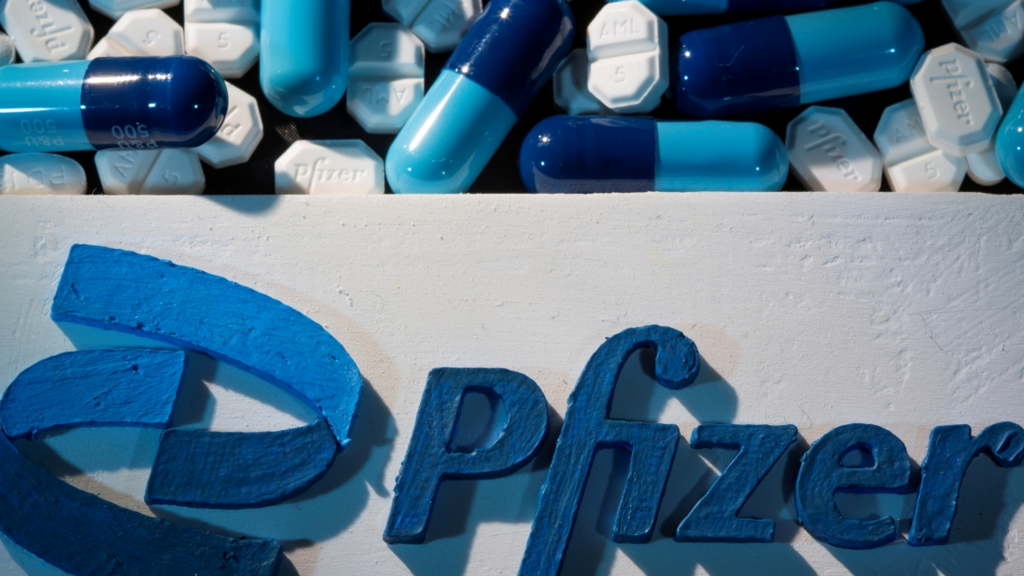 特朗普在白宫的一场活动上高调宣称,“我们现在将支付全球最低的价格。”
美国的药品价格位居全球前列,高于邻国甚至欧洲的水平。兰德公司(Rand Corporation)的一项研究显示,美国人购买处方药的平均价格大约是法国人的2.5倍。特朗普早前曾承诺要缩小这一差距。
根据周二公布的协议,辉瑞将下调其部分药品在联邦医疗补助(Medicaid,即面向低收入人群的医保项目)中的售价,并通过一个新的政府网站,直接以优惠价格向患者提供某些药物。
辉瑞公司在一份新闻稿中说,这些药品将以“高达85%的折扣”出售,平均折扣为50%。
此外,特朗普解释说:“辉瑞公司在美国市场上推出的任何新药都将以折扣价出售”,并明确表示价格将与其他发达国家的最低价格保持一致。
不过,协议的细节目前尚未公布,比如,具体涉及多少种药品,以及美国消费者最终能够节省多少开支。
但已经知道的是,作为交换,辉瑞将获得为期三年的关税豁免,而此前特朗普威胁说,从10月1日起,如果制药公司不在美国本土建设生产基地的话,他将对所有进口的专利药品征收100%的惩罚性关税。
消息公布后,辉瑞股价在股市上上涨了5%。
近几个月来,特朗普不断推出措施,敦促制药企业将生产迁回美国,并降低药品价格——这是他在首个任期内未能实现的目标。
Subscribe to:
Posts (Atom)

