Wednesday, May 31, 2023

U.S. Navy To Get New Unique Submarine: Virginia SSW

 Seabed Espionage Variant Of Virginia Class Submarine In Development
U.S. Navy To Get New Unique Submarine: Virginia SSW


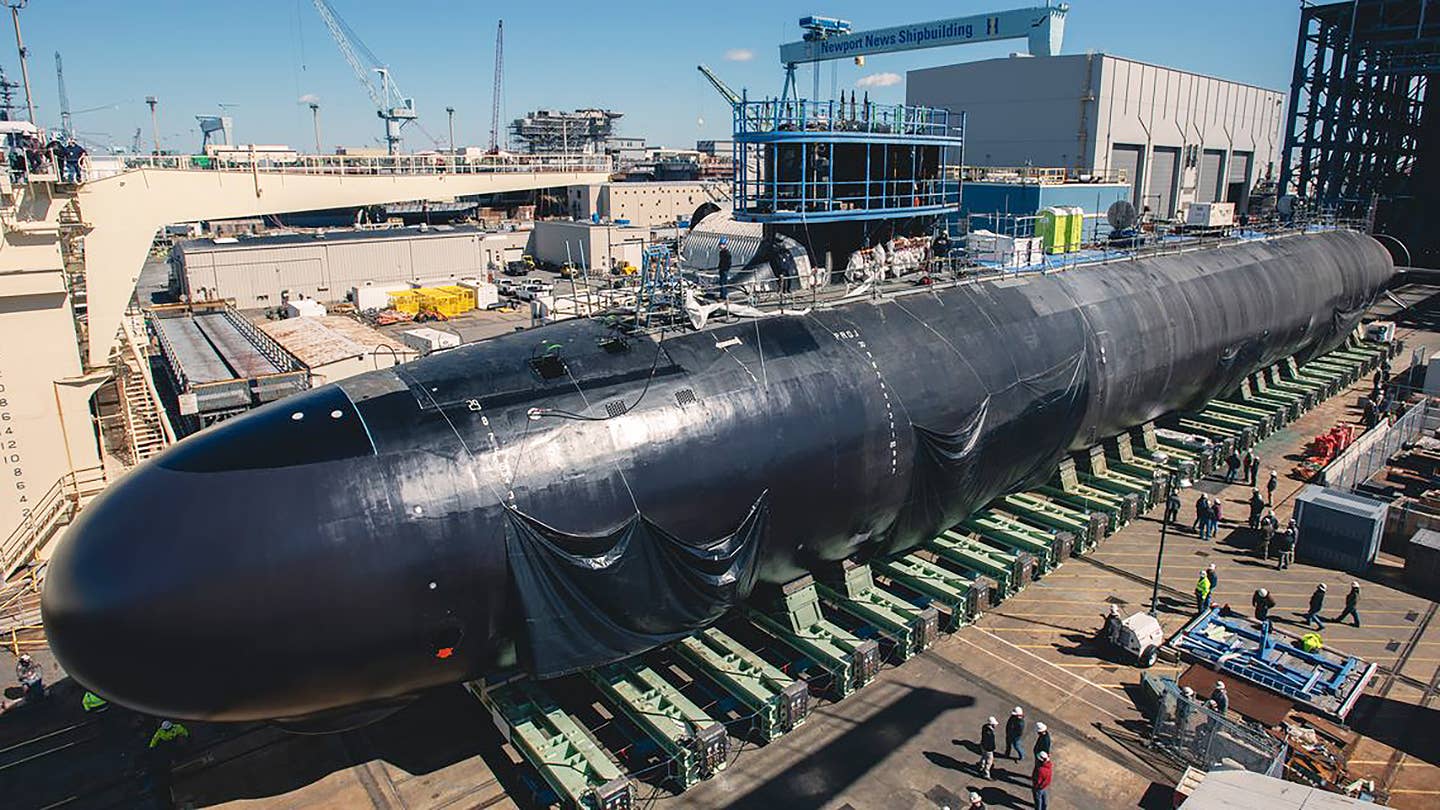
The USS Jimmy Carter is widely regarded as the most secretive submarine in the U.S. Navy. It is especially equipped for Seabed Warfare, unreported missions deep below the waves. Now a new seabed warfare submarine, using a Virginia Class hull, is planned.

The USS Jimmy Carter is currently the U.S. Navy’s principal seabed warfare submarine, specially fitted for covert spy missions deep beneath the waves. Now plans are underway to build a follow on special spy submarine using the newer Virginia Class hull.

A single Mod VA SSW (Modified Virginia, Subsea and Seabed Warfare) version of the Virginia Class is expected to be built.

Work is already underway at the famous Electric Boat shipyard in Groton, Connecticut. A basic outline of the design was shared by General Dynamics Electric Boat’s President, Kevin Graney, in a January 2022 at a Connecticut Economic Summit in 2022. Since then some information about the SSW design has slowly emerged in open sources, but naturally the details remain cloaked. According to the Congressional Research Service, a single boat will be procured in the U.S. Navy’s 2024 budget. The calculated cost is $5.1 billion, almost a billion more than the baseline Virginia Class.
 

Seabed Warfare

Seabed warfare has been brought into sharp focus by Russia’s ongoing efforts to map undersea infrastructure. And by the September 2022 with the attack on the Nord Stream gas pipelines in the Baltic. There is no suggestion that the USS Jimmy Carter was involved in the Nord Stream incident (it wasn’t!). But the attack shows the relevance of these capabilities. Most seabed warfare however is closer to espionage than sabotage. And the American submarines excel.

The history of operations against undersea infrastructure, such as sensor networks, communications and energy infrastructure goes back a long way. And both the U.S. Navy and Russian Navy have strong traditions.

In the 1970s Operation Ivy Bells saw the U.S. Navy tapping Soviet communications networks deep undersea. Tapping the cables which the Soviets thought were safe gave the U.S. valuable insight and intelligence. The first tap, in the Sea of Okhotsk was followed by several others of similar significance but less fame. The USSR only found out about them when a Soviet spy deep in the American intelligence apparatus, Ronald Pelton, betrayed them.

At first the U.S. Navy used a converted cruise missile submarine, USS Halibut. This was followed by USS Seawolf and then USS Parche, both of which were upgraded with extended hulls to carry the specialist equipment. Then in the 2000s one of the new Seawolf class submarines, USS Jimmy Carter, was built with the hull extension already fitted. This submarine becoming the premiere seabed warfare boat of the U.S. Navy. The new specialized Virginia class submarine will augment or succeed USS Jimmy Carter. 


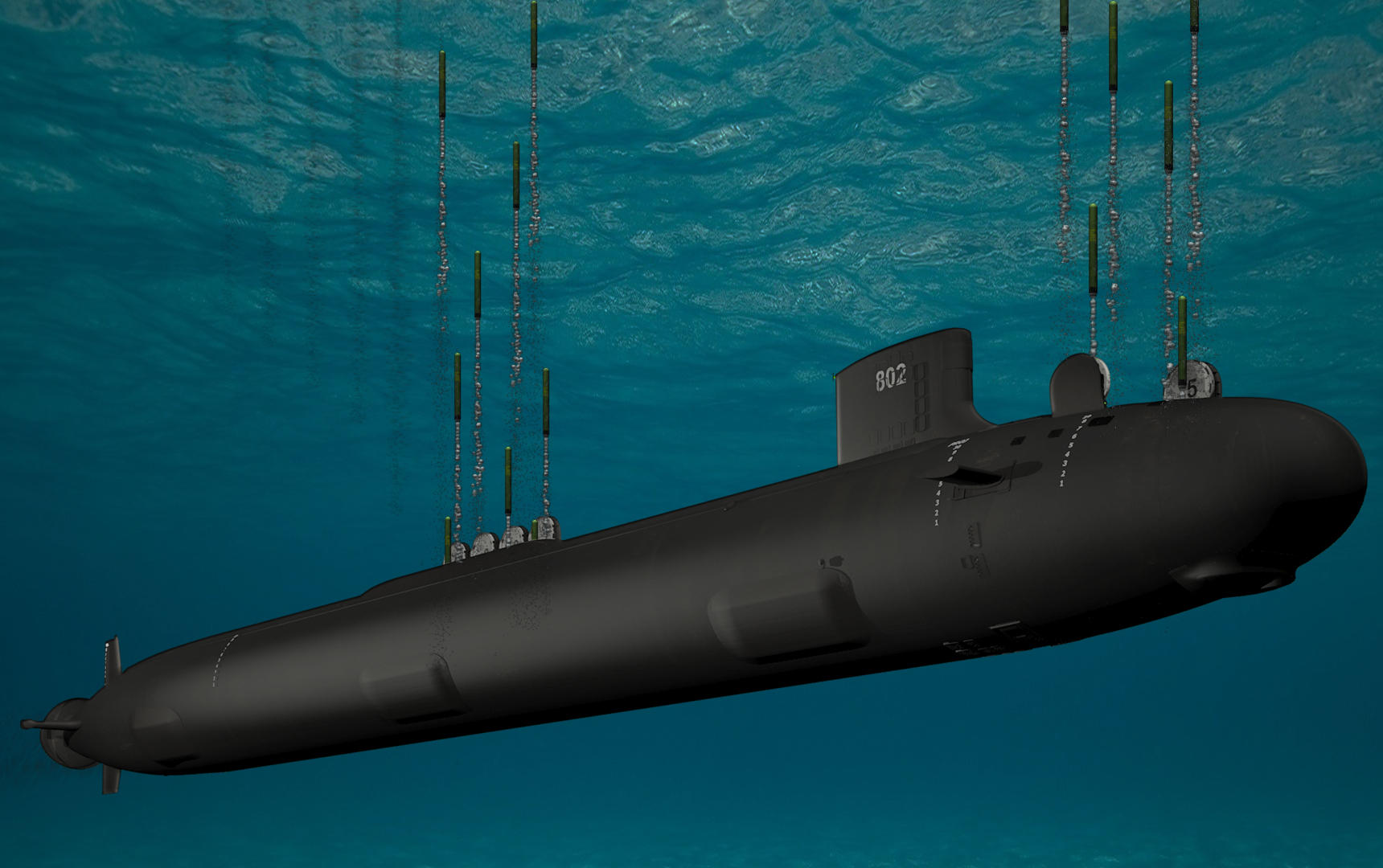
Virginia Class SSW submarineThe Virginia SSW Submarine Design

Extract details of the new Virginia SSW submarine are, as we should expect, unclear. Even the USS Jimmy Carter which has been in service almost 20 years remains something of a mystery. However we can expect the new submarine to carry specialist uncrewed underwater vehicles (UUVs), remote operated vehicles (ROVs) and special operations submersibles.

Some of the vertical launch systems for missiles, known as VPMs (Virginia Payload Modules) will be repurposed for new systems. Additionally the keel beneath them will be extended. Exactly how this will interface with specialist submersibles can only be speculated at.

Russia too has a long tradition of seabed warfare. And relative to even the U.S. Navy, is heavily invested in this area. The largest submarines in service anywhere in the world are Russia’s fleet of specialist submarines. The U.S. Navy’s  seabed warfare capability is likely more sophisticated, but Russia’s is broader and more plentiful.

So if the U.S. Navy wishes to retain any advantage it has, it is natural that it would look to have a successor to the USS Jimmy Carter.


美军斥资50亿造新“海底和海床作战”潜艇 能击沉中共侵台舰队

New US spy sub built for seabed war with China - Asia Times 

 中共持续加强对台军事威胁,多次宣称“绝不承诺放弃使用武力”进犯台湾,又和侵犯乌克兰的俄罗斯不断深化战略伙伴关系,为因应中共和俄罗斯不断将深海空间军事化,美国正打造有史以来最昂贵的间谍潜艇,将搭载专业的无人水下航行器(UUV)、遥控潜水器(ROV)等工具,在海底执行特殊任务。军事专家说法指称,中共正广泛布置水下感应器网络以监测西太平洋海域美军活动,美国新型潜艇将在台海冲突中发挥收集情报、执行海底防御和进攻行动等重要作用。


Navy Outlines Virginia Block VI Improvements, To Preview SSN(X)  Capabilities - Defense Daily 据美国海军新闻报道,美国海军在2024财政年度预算中,计划以逾50亿美元对维吉尼亚级攻击型核潜艇进行改造,这艘可用于“海底和海床作战”的新潜艇(简称Mod VA SSW)正在康乃迪克州格罗顿的通用动力电船公司(General Dynamics Electric Boat)造船厂进行开发。尽管美国海军尚未公布更多设计细节,外界预测新潜艇将用于增强或接替2005年开始服役的海狼级攻击性核潜艇“吉米·卡特号”(SSN-23),后者是美国海军首屈一指的海底间谍潜艇。

美国兰德公司国防问题高级研究员何天睦(Timothy Heath)受访时透露,改进后的维吉尼亚级攻击型核潜艇,将能够执行情报搜集、特种作战、支持无人水下作战和传统的攻击水面舰艇等任务,而中共目前没有与之一较高下的武器,总的来说“美国在水下作战方面具有强大优势,特别在先进攻击潜艇和弹道导弹潜艇方面。美国潜艇比中共潜艇安静得多,可以发射导弹的射程更远”。

2022年9月由俄罗斯经波罗的海向欧洲输送天然气的北溪天然气管道爆炸,国际社会认为爆炸是人为破坏行为。此外,今年2月连接马祖与台湾的海底电缆连接2次被切断,专家推测是中共为武统台湾进行演练,但目前尚无北京方面蓄意破坏的明确证据。美国前海军部副次长、华府智库“约克镇研究所”(Yorktown Institute)创办人克罗波西(Seth Cropsey)强调,北溪天然气管道遭袭击和台湾马祖断网事件,显示加强海底防卫和进攻能力的重要性,美国的新潜艇将在这个领域展现飞跃性进步。

华府智库“哈德逊研究所”国防概念与技术中心主任克拉克(Bryan Clark)则说,美国的新间谍潜艇在与中共的潜在冲突中非常重要,因为中国正在整个东海和南海安装声纳系统和通信网络,效仿美国在冷战期间铺设的水下声波监听系统(SOSUS),可以探测到美国潜艇进行的导弹或鱼雷发射等行动,他提到:“Mod VA SSW将携带无人驾驶的水下运载工具等系统,这些系统可以干扰、诱骗或摧毁中共的海底感应器,并帮助美国潜艇继续作战,而不那么容易被中共发现”。

今年4月与美国联邦众议院美中战略竞争特别委员会合作,举办台海兵棋推演的华府智库“新美国安全中心”(CNAS)曾在美国国会做证时直指潜艇是美国在台海冲突中最重要的海上打击平台。新美国安全中心指出:“由于美国的攻击潜艇难以被发现,且具有巨大的续航能力,能在冲突开始前就预先部署在第一岛链的海域内。一旦冲突开始,这些潜艇可以提供持久的生存火力,集中击沉中共入侵舰队。”

“新美国安全中心”续指,美军攻击型潜艇使用重型鱼雷击沉中共船只的能力,比其他平台更强,这些潜艇还可以向中共的目标,或登陆台湾的共军部队发射巡航导弹。“哈德逊研究所”的克拉克也表示,在台海冲突中,海底战争将是最关键领域之一,潜艇是美军对抗中共的最重要优势,但北京正努力通过共军的反潜战舰、飞机及其海底感应器网络,来削弱美国潜艇的效用。

Tuesday, May 30, 2023

China doesn't want the yuan to replace the dollar as the world's reserve currency

Bad News For Xi—Why The Chinese Yuan Will Not Replace The US Dollar As The World's  Reserve Currency - YouTubeChina doesn't want the yuan to replace the dollar as the world's reserve currency

China isn't all that ready for de-dollarization as well. 


    The Chinese yuan is one of the top contenders challenging the USD's dominance as a reserve currency.


    However, Beijing may not be fully supportive of making the yuan the reserve currency of choice.


    Key challenges include Beijing's unwillingness to open its capital accounts or to run a deficit.

A debate over de-dollarization has raged on for the past year, fanned by fears that Washington is weaponizing the US dollar-denominated global financial system against Russia over the Ukraine war.

Even high-profile investors have weighed in. In April, billionaire investor Ray Dalio cautioned that the sanctions that squeezed Russia's dollar currency reserves "increased the perceived risk that those debt assets can be frozen in the way that they've been frozen for Russia."

Consequently, various countries started lining up non-dollar currencies and alternative assets to use in trade and to stash in their reserves.

Enter, the Chinese yuan.


The Chinese currency is having its moment in the sun as a potential challenger to the US dollar-dominated global payments system. As it looks to broaden the use of its currency internationally, China has forged deals with countries including Russia. And while the currency isn't the only greenback challenger, it is the most high-profile contender, against the backdrop of US-China tensions and Beijing's alliance with Russia amid the war.

However, it would be difficult for any asset or currency to unseat the US dollar. As it is, even the use of the euro is a far second to the greenback.

And more importantly, Beijing wouldn't even want the yuan to be the major reserve currency for the world, an expert on China's economy told Insider.

Here are three reasons why even China isn't that keen on de-dollarizing the world economy.


1. China doesn't want to liberalize its currency and allow money to move freely in and out of its economy

Even though China appears keen to upset the global dominance of the US, it only wants to do so on Beijing's terms, says Rory Green, the chief China economist at London-based consultancy TS Lombard.

The People's Bank of China has moved cautiously over the past decade to promote greater use of yuan without disrupting financial security and it's unlikely to upset that dynamic now, Green wrote in a note on April 28.

This stability is maintained through the use of capital controls — a grip on how much foreign money can move in and out of China's economy, which in turn influences the foreign currency exchange rate.

Beijing's policy has typically leaned toward having such controls, as it considers them prerequisites for an independent, sovereign monetary policy, wrote Green.

Because of these controls, "Beijing can never fully liberalize its current account, but it can still pursue RMB internationalization," Green added, referring to the yuan by its official name, the renminbi.

Rather than pushing for the yuan to become the dominant global reserve currency, Beijing is likely to pursue its sphere of currency influence among countries it trades with actively. It's likely to focus on breaking up US dollar dominance in parts of the world instead, Green told Insider.

But there could be some wiggle room on Beijing's position.

"There's always been the option in China to change capital controls. Except, for Beijing, the question has been whether the global environment would support this — are there enough nations who will adopt yuan?" Abishur Prakash, the CEO of The Geopolitical Business, a Toronto-based advisory firm, told Insider.

"Today, the answer is yes, as many nations have already signed on to using yuan, giving China the signal it needs to change gears," he added.


2. China doesn't want to and cannot afford to run a persistent deficit like the US does

The US dollar's position and clout as a reserve currency comes at a cost — a current account deficit for America.

That's because there's more global demand for US dollars than American demand for imports, which are also being paid for in the greenback.

So, the US will need to contend with ever larger amounts of deficit in order to maintain its reserve currency position. This paradox was first put forth to Congress by Yale economist Robert Triffin in 1960.

The drawback to running a current account deficit is that it leaves a country vulnerable to unexpected shifts in global capital flows, per Bloomberg.

As Reuters' John Kemp explained in 2009, the US has been running larger budget and current account deficits than most other countries simply because it's the issuer of the world's principal reserve currency.

"As the global economy expanded, demand for reserve assets increased. These could only be supplied to foreigners by America running a current account deficit and issuing dollar-denominated obligations to fund it," wrote Kemp.

While China is the world's second-largest economy right now, it just cannot afford to run a persistent deficit like the US, said Green.

"China is politically unwilling and economically unable — barring significant structural reform — to run a sustained current account deficit and to provide sufficient supplies of RMB assets globally," wrote Green.


3. Beijing faces many geopolitical risks, so China needs alternative assets

One key challenge for any currency taking on the US dollar as the world's dominant reserve currency is the greenback's dominance.

Right now, even the euro's role is larger than the yuan.


In April, 43% of all global payments made via SWIFT were made in the US dollar, while 32% were made in the euro. Just 2.3% of the SWIFT transactions were made in the yuan.

Meanwhile, the US dollar accounted for the lion's share, or 54%, of global foreign exchange reserves in the fourth quarter of 2022, according to data from the International Monetary Fund.


The euro accounted for 20% of the reserves, while the yuan made up just 2.5% of this stash.

This means there's a lack of wide-ranging choices when it comes to reserve assets — which is a problem for the Chinese central bank, wrote TS Lombard's Green.

That's because the institution would have to hold its yuan-denominated bonds in massive amounts — similar to the US Fed, which now holds a huge amount of its assets in Treasury securities.

Given these issues, it's unlikely for the yuan to overtake the greenback, said Green.

These stumbling blocks come on top of other challenges outside China's control, including inertia in the global financial system, Stanford historian Niall Ferguson told CNBC on May 1.

"Geopolitics and China's economic heft is driving – and will continue to drive – RMB adoption for trade and reserve holdings. Greater international use of the RMB will provide channels for sanctions-busting, but the dollar is not under threat," wrote Green.

美日菲将首次举行海防联合演习 应中国在该区域的扩张与军事行为

美菲开始联合巡航南海菲防长叫嚣能阻中国行动|南海|中国|菲律宾_新浪军事_新浪网 

美日菲将首次举行海防联合演习  应中国在该区域的扩张与军事行为

虽然菲律宾官员强调这只是例行演习,但美国、日本和菲律宾的海岸警卫队将首次在南海举行3国海上演习,此举被认为是因应中国在该区域的扩张与军事行为。

随著中国持续在南海进行扩张和军事行为,美国、日本和菲律宾的海岸警卫队本週将在南海举行海上联合演习。这是3国之间首次进行此类演习,以加强海上安全项目的合作。

路透社报道,菲律宾海岸警卫队发言人巴里洛(Armand Balilo)週一(5月29日)表示,6月1日至6月7日,3国将在菲律宾巴丹省附近海域举行演习;这是美国和日本的提议,而澳大利亚也将作为观察员加入。

巴里洛说,菲律宾将派出4艘船只,美国和日本各派1艘参加演习。这次演习旨在改善搜救方面的合作和执法。

自去年小马科斯(Ferdinand Marcos Jr)接替杜特尔特(Rodrigo Duterte)担任菲律宾总统以来,日本、澳大利亚和美国经常谴责中国在南海的军事化,并寻求与菲律宾进行更密切的接触。

今年2月,日本和美国就举行联合海上演习与菲律宾接洽;同月,马尼拉指责中国在南海进行侵略活动。当时,菲律宾指责中国海警船对菲律宾船只使用“军用级激光”,导致菲律宾船员短暂失明。

此外,菲律宾还称有大量疑似民兵船在南沙群岛一带的菲律宾控制区域附近徘徊。对此,中国坚称其海警行动合法,并且是在中国海域内进行。

菲律宾称无关中国

彭博社指出,中国与菲律宾双方在南海争议海域的局势升温,菲律宾海岸警卫队一直处于前线,最近一次与中国船只甚至险些相撞。随著华盛顿与北京的竞争加剧,此次3国的海岸警卫队演习,将是美国与其亚洲盟友合作的最新展现。

近期菲律宾持续加强与美国的防务联盟,今年初增加了开放美军进入的菲律宾基地。4月美国和菲律宾举行了史上规模最大的一次联合军事演习,军演过程中使用了火箭和作战飞机模拟击沉敌舰,演习地点也靠近南海。

针对本次的3国联合演习,菲律宾海岸警卫队的巴里洛说,这项演习将“加强互操作性”,并将包括海上执法培训和机动演习。但他也强调,这项演习与马尼拉与北京的海上争端无关, “这是海岸警卫队之间的例行演习”。

影射习近平嘲讽中国社会  歌曲《红孩儿十八赢》网络爆红

影射习近平嘲讽中国社会  歌曲《红孩儿十八赢》网络爆红


https://youtu.be/DV224QinmcQ

(台北29日讯)中国摇滚乐队“耳光乐队”的一段演唱视频近日在海外社交平台上热传,唱词中汇集动态清零、东航坠机、丰县铁链女、唐山打人案、胡鑫宇失踪案、村镇银行爆雷等诸多社会热点话题,对中国社会乱象和黑暗时局进行了辛辣地讽刺。

台湾中央社报导,“耳光乐队”成立于1998年,乐队以“新民俗主义”的风格在中国摇滚乐坛上拥有许多听众。目前,在微博上已搜索不到“耳光乐队 红孩儿十八赢”,显示这段演唱视频已经被封禁。据悉,这首歌曲是今年1月份创作。

报导指,这首歌讲述的红孩儿,明眼人看得出是在暗喻中国国家主席习近平。歌词指红孩儿被牛魔王和铁扇公主娇生惯养,所以“300多岁还是个大龄儿童”,且“有严重的被迫害妄想症”;又指“火云洞山神和土地常被他瞎折腾”,暗喻中国人民的山神和土地却“各个都得了斯德哥尔摩症”。

歌词提到了新冠肺炎疫情期间的动态清零、社会上为人诟病的天价结婚聘金、东航坠机惨案至今没有真相、官员男女关系混乱、唐山打人案、因为没做核酸检测来不及就医死亡的兰州3岁童、徒步离厂的富士康大军等,还提及各种涉外新闻,算是回顾了2022年中国社会各种突出的事件。

歌词以台语歌“爱拼才会赢”旋律为背景,末段唱到“和死神抢父母这冬天太煎熬”、“感谢你浪费三年时间保护我”、歌曲最后以“生在这伟大的时代 咱就偷著乐”结尾。

有网民担心乐队安危


从影片中可以看到,现场观众对敏感话题被提及,有强烈的共鸣。很多网民也留言,为乐队的安危感到担心,因为他们是在中国国内触及这些议题的;但他们并没有阻止现场观众拍摄,应该也是有一定的心理准备的。

在中国,尽管面临审查和封杀,但一直都有人以歌曲嘲讽现实或表达不满,创作者可能是专业乐队,也可能是一般民众,听众也以此作为宣泄情绪的出口。

今年3月,帐号“鬼山哥”的网民制作《阳光开朗孔乙己》歌曲,配合先前有关青年高不成低不就的失业话题,嘲讽地批判当今中国社会就业环境不友善,但只能以阳光开朗的形象包装;歌曲很快就在影音平台B站被下架。

此外,根据网上流传的影片,今年3月底,一大群年轻人聚集在贵州地铁大合唱新裤子乐团几年前的歌曲《没有理想的人不伤心》,歌词“我不要在失败孤独中死去,我不要一直活在地下里”让许多人用力唱和。外界认为,经历清零3年管控、社会经济发展又不如以往的年轻人,对这首歌特别有共鸣。

日前,脱口秀演员李昊石的演出被指侮辱军人,公司被巨额罚款,他本人也面临牢狱之灾。外界关注涉及现实负面议题或以嘲讽为特色的艺文创作,在中国是否会更加缺乏发声空间。

抗议清真寺中国化 中国云南爆警民冲突


中国官方强调宗教建筑要突出中国风格,清真寺展开“去阿拉伯化”。云南省玉溪市通海县纳家营清真寺本月27日上午遭官方拆除阿拉伯式外观,引起当地穆斯林不满,进而与维持秩序的警员发生激烈冲突。通海县警方证实事件,并且发通告促参与抗议者自首。

https://youtu.be/7g18YUZ9NvY


https://twitter.com/i/status/1662336999838167040

https://twitter.com/i/status/1662341944377311234
据香港《星岛日报》报导,网传影片显示,大批武警持盾与民众对峙,示威人群企图冲入清真寺被拦下,有人向警员抛水瓶,其后一群穿着迷彩色军服的人抵达现场,引起大量民众围观。另有影片显示,武警暂时撤离后,示威人群进入清真寺并拉倒铁架。

网传这次事件或涉及强拆,但也有消息指清真寺擅自占用村委会土地。

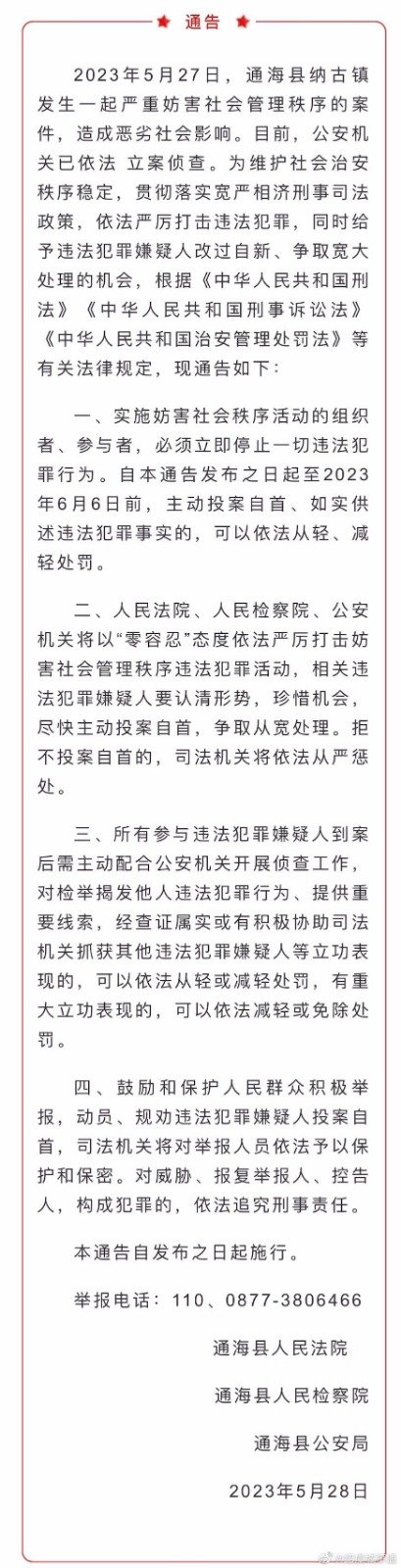
官方发出通知,要求有关人员自首。(图取自网络)官方发出通知,要求有关人员自首。(图取自网络)

通海县公安局、法院、检察院周日晚联合发布《关于敦促相关违法犯罪嫌疑人投案自首的通告》,称“2023年5月27日,通海县纳古镇发生一宗严重妨害社会管理秩序的案件,造成恶劣社会影响。目前,公安机关已依法立案侦查。”

《通告》称,6月6日前,相关组织参与者主动投案自首、如实供述违法犯罪事实的,可以依法从轻、减轻处罚。《通告》还称,对检举揭发他人违法犯罪行为、提供重要线索等立功表现的,可以依法从轻或减轻处罚,有重大立功表现的,可以依法减轻或免除处罚。

有知名爱国博主发文表示,根据2019年的一份行政处罚决定书,纳家营清真寺属于未经批准的非法建筑。(图取自推特/李老师不是你老师)有知名爱国博主发文表示,根据2019年的一份行政处罚决定书,纳家营清真寺属于未经批准的非法建筑。(图取自推特/李老师不是你老师)
涉事的云南通海县纳家营清真寺初建于13世纪末,由时任云南行省平章政事哪速拉丁主持肇建,其后在1722年完成扩建,有600多年历史。现时的建筑2004年落成,楼高4层,有穹顶及4座礼塔,内部可容纳逾3000人。2018年6月4日,被定为第3批通海县文物保护单位。

近年来,中国当局要求宗教“中国化”,新建的阿化风格清真寺,大都被要求恢复成原先中国殿堂式的传统风格。

韩国成为世界最大军火商之一

英國考慮購買韓華K9自走砲韓國武器走向世界- 軍事- 中時新聞網 

韩国成为世界最大军火商之一

路透社首尔消息称,韩国正通过其史上最大的一笔即与波兰达成的一笔高达 137 亿美元的军火交易,为跃升全球军售大国奠定基石。韩波两国的军火公司也都希望这将满足欧洲未来对武器的需求。


路透社援引韩国国防部指出,随西方国家急于军援乌克兰,以及朝鲜、台海、南海等区域紧张升级,韩国的军售从2021年的72.5亿美元跃升至2022年的超过170亿美元。
 

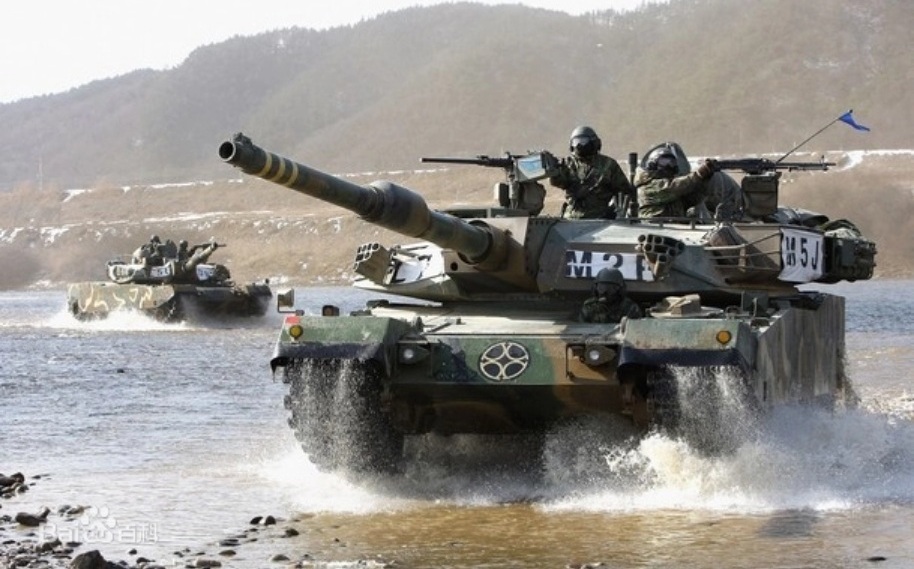
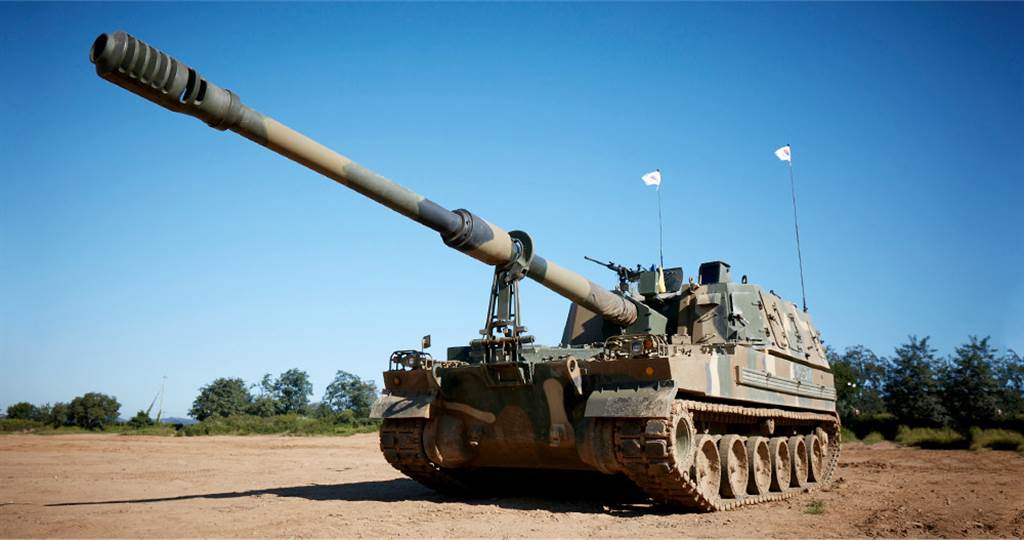
波蘭將採購288台韓國K239 Chunmoo多管火箭系統- 軍傳媒路透社指出,韩国去年与北约重要成员波兰的军火交易,包括数百套Chunmoo多管火箭、K2战车、K9自走炮和FA-50战机。这笔军售的价值和武器数量,就算放在全球几大军火大国中来看,也相当耀眼。

換掉蘇聯貨!繼買250輛美國M1戰車後波蘭想買南韓「黑豹」 | 國際| Newtalk新聞据韩国和波兰官员表示,两国的伙伴关系有助他们夺下乌克兰战争以外的欧洲武器市场。首尔能比其他国家更快提供高质量武器,华沙则提供制造能力与进入欧洲的销售管道。

路透社采访了13名包括直接参与交易人士在内的公司主管和政府官员,他们说这笔交易经由公开与私人的国际伙伴关系和财团拓展版图,为韩国实现晋身全球最大武器供货商之一的雄心打好基础。

参与波兰交易的韩华航天(Hanwha AeroSpace)一名负责人吴桂焕(Oh Kyeahwan,音译)说:“捷克、罗马尼亚、斯洛伐克、芬兰、爱沙尼亚、拉脱维亚、立陶宛等国以往只考虑在欧洲买国防产品,但现在更多人知道,可以用低廉的价格向韩国公司购买并快速拿到货。”

韩国的军工企业向来都不揭露武器单价,且通常武器必须同支持军车和零配件一起出售。

韓“新一代KFX”戰機將搭載雙引擎@ Oolxiang烏龍鄉(國防科技)網:: 痞客邦::过去的一年里,韩国发射了第一枚国产太空火箭,见证了国内设计的KFX战机的首飞,并宣布了数十亿美元的交易。对此,欧洲一家防务公司的一位匿名高管告诉路透社:“对于大多数其他国家来说,这一个10年的研发进程”,他表示:"我们已经低估了韩国很长时间了。"

据NH Research & Securities公司的研究显示,韩华航天在全球自走炮市场有55%市占率,加上波兰这笔交易后,估计提高至68%。

波兰国企「波兰军备集团」(PGZ)主管科摩列克(Lukasz Komorek)表示,这笔军火交易牵成韩国与波兰公司能连手,以生产武器、维修战机和为日后军售其他欧洲国家建立架构。

首尔与华沙两地的官员表示,这将包含让波兰取得许可制造韩国军备。目前计划是售予波兰820辆战车里的500辆及672辆自走炮中的300辆,从2026年开始将在波兰的工厂生产。

不过,英国咨询研究机构Agency Partners LLP的航天与国防分析师杜沙(Sash Tusa)对路透社表示,虽然韩、波国防产业关系良好,长期的计划恐仍有障碍,像政治风向改变可能降低自走炮和战车等武器需求。

杜沙还说,就算生产和需求保持稳定,欧洲国家也可能希望比照波兰的模式与韩国做生意,也就是能创造就业机会并振兴产业的共同生产协议。

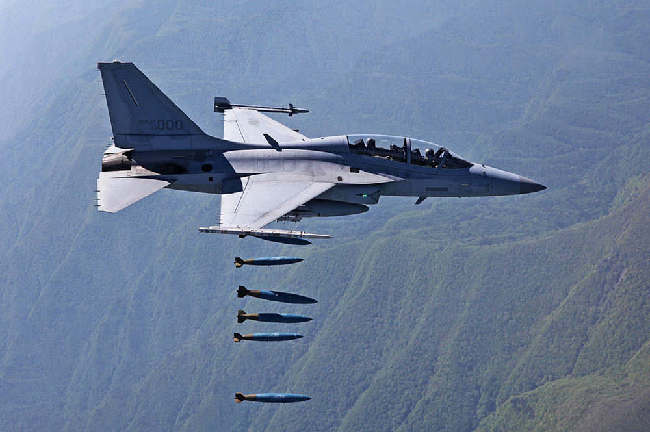
韩国空军FA-50战斗机投下一连串炸弹- 中国军网除了欧洲市场,路透社还披露,韩国正在与印度尼西亚开发其自主研发的KFX战机,波兰领导人也表示对该项目感兴趣。马来西亚今年购买了近10亿美元的FA-50战斗机,而首尔正在争取赢得一向120亿美元的合同,以便为澳大利亚提供该国陆军所需的战车储备。

“亚洲国家认为我们是一个非常有吸引力的国防交易伙伴,因为我们都在寻求对冲不断上升的紧张局势”, 首尔的一位外交官说。“我们是美国的盟友,但不是美国的。”