
 Posts
Posts


The Panama Canal: Hostage to the US-China Trade War?
Ultimately, it’s highly unlikely Washington will take control of this mutually beneficial waterway.
Allison Fedirka
In November 1906, Theodore Roosevelt became the first sitting U.S. president to make a diplomatic visit outside the continental United States, sailing to Panama to view the construction of the Panama Canal. In September 1977, President Jimmy Carter signed a treaty that would ultimately give Panama full control and operation over the canal in 2000. And in December 2025, U.S. President-elect Donald Trump threatened to retake the canal from Panama. The chances of this happening are slim, of course. But like most political rhetoric, his comments denote larger goals and aspirations – in this case, Trump’s domestic agenda, which likely includes a trade war with China. The U.S.-Panama relationship is merely a hostage to that agenda. Control over the Panama Canal gave Washington a valuable source of revenue and immense geopolitical influence. Since the 1500s, explorers and entrepreneurs had dreamed of a path that would drastically cut the time and resources required to cross from one ocean to the other: Sea transit between the U.S. east and west coasts was a weekslong, 13,000-mile journey. Alfred Thayer Mahan, the naval and geopolitical writer, knew that U.S. control of the Central American isthmus, and the possibility of a trans-isthmus canal, would be pivotal for the projection of U.S. military and commercial power. Presidents Ulysses S. Grant and Theodore Roosevelt, both former military officers, were keenly aware of the isthmus’s strategic value. Grant commissioned a series of expedition surveys to identify possible locations and assess construction feasibility. Roosevelt later oversaw the creation of the U.S. Great White Fleet and canal construction.
 The relationship between the U.S. and Panama is more nuanced. When conflict levels are low, the countries’ geopolitical interests align nicely. Washington ultimately wants the secure passage of goods and, relatedly, the prevention of any military not native to the Western Hemisphere from gaining influence in Panama. For its part, Panama needs to control the territory within its modern borders, and it needs the revenue generated from the canal’s strategic position inside them.
In times of conflict, however, they don’t always see eye to eye. The U.S. gained a foothold in Panama only because it was fighting for independence from Colombia. Gran Colombia had already broken down into what we now call Venezuela, Ecuador and Colombia, so Panama thought the time was right for its own secession. Colombia had the far superior military, but to send its soldiers to Panama by land was to send them through the Darien Gap, a wildly impassable area where they shared a border. Colombia was thus forced to transport its soldiers by sea to retake Panama. Seeing the opportunity this presented, the U.S. deployed its own military to deny them passage. Panama was able to separate from Colombia, and the U.S. was able to establish itself as its security guarantor, giving it a leg to assume control of the Panama Canal’s construction if the opportunity arose – which it did when the French company working on it filed for bankruptcy.
The U.S. and Panama enjoyed a mostly harmonious relationship thereafter until the final years of the Cold War. Panama sided with the U.S. in that conflict, working alongside Washington to fight the Sandinistas and secure Western influence in Central America. But ties began to fray under the rule of authoritarian ruler Manuel Noriega, whose administration was marred by political instability and repeated coup attempts (likely with U.S. backing). Washington sent its military to remove him from power, and though it hurt the bilateral relationship (the Panamanian military was dismantled), subsequent administrations repaired the damage, and the treaty signed by Carter remained intact.
The anticipated U.S.-China trade war will test U.S.-Panamanian relations once again. Trump’s comments on social media about the canal all but mention China by name, saying the canal cannot fall into “the wrong hands.” He also criticized what he described as ridiculously high transit fees. This may prove even more difficult to “fix.” The U.S. is by far the largest user and beneficiary of canal traffic. It remains the primary means of shipping goods between the U.S. East Coast and Asian markets, including China. Putting tariffs on goods from China will increase the cost of goods for U.S. consumers. One way to try to offset some of those costs would be reducing other input costs, such as transportation fees.
Fees for transiting the canal follow a complex system with many variables. Transit rates are set by the Panama Canal Authority, which operates closely, though independently, with the government. Every ship that passes through the canal faces a series of mandatory and variable charges. Mandatory charges include things like the tugboat and pilot fees needed for navigating the canal’s many locks. By law, highly experienced and trained Panamanian pilots must command and control all vessels passing through the canal (the vessel’s pilot relinquishes all control to the Panamanian pilot upon arrival at the canal). The variable fees relate to things like a vessel’s length, weight and scheduling. The fees are equally applied to ships regardless of country of origin or destination. (This reflects the “neutrality” concept enshrined in the treaty.)
There are other, strategic reasons Washington would want to avoid antagonizing Panama. Panama serves as a major transit country for migrants leaving South America for the United States. Washington and Panama City have increased coordination on this front, with the U.S. even paying for select deportations of migrants out of Panama to their countries of origin. Panama has also used its control of the canal to indirectly support U.S. sanctions against Iran and Russia by withdrawing flags from vessels linked to sanctioned companies and entities. Elsewhere, Panama’s efforts to develop more reservoirs and build a dry canal to help mitigate the impact droughts have had on canal traffic will ultimately benefit the U.S. But most important, Panama remains the most attractive partner for the U.S.; similar ideas floated for Mexico, Nicaragua and Colombia all lacks the benefits of the canal in Panama, which has the obvious benefit of already being built.
The conflict the U.S.-China trade war will generate will likely force Washington and Panama City to re-examine their relationship. The U.S. has plenty of leverage, including the world’s largest and most advanced military, but Washington is unlikely to be willing to absorb the political and economic costs and international backlash that would come from moving against Panama too aggressively. There’s room in the relationship for adjustment, but cooperation is still in both countries’ best interests.
Sunday, December 29, 2024
A Panama War ?

China is burning all its bridges with Israel
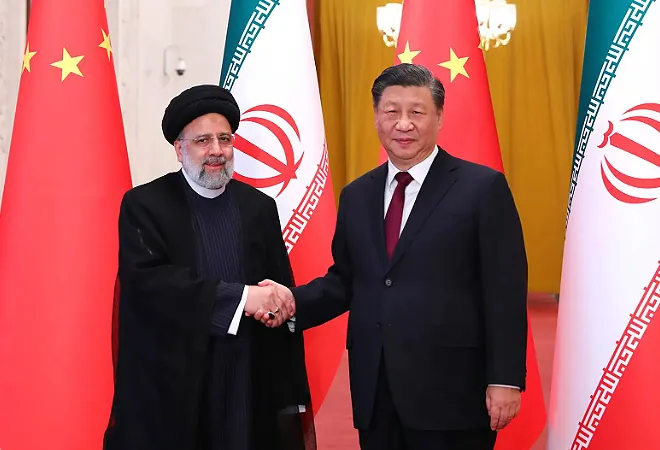
China is burning all its bridges with Israel
The most popular Opinion piece with readers this year was "China is burning all its bridges with Israel" by Derek Grossman.
Amid turmoil in the Middle East, "China is fundamentally opposed to any Israeli military operations, even in self-defense, as has been made clear in its demands for an immediate ceasefire in Gaza and its vocal support for the establishment and recognition of a Palestinian state," wrote the senior defense analyst at the think tank RAND Corp.
"This is mostly because Beijing seeks to raise its stature as a champion of the Global South, especially as India appears to be a formidable rising challenger. China is also strengthening its partnership with Iran, in concert with 'no limits' partner Russia, in an 'axis of resistance' against the U.S. and Western democracies," Grossman argued.
He concluded that "China's posturing as a Middle East peacemaker lacks credibility due to its one-sided stance. Beijing cannot expect its rhetoric to be taken seriously when it is so cavalier with its principles."
Derek Grossman is a senior defense analyst at RAND and an adjunct professor in the practice of political science and international relations at the University of Southern California. He formerly served as an intelligence adviser at the Pentagon.
Last June, Israeli Prime Minister Benjamin Netanyahu posted a picture of himself receiving a gift from Chinese Ambassador Cai Run of autographed copies of President Xi Jinping's four-volume collection, “The Governance of China.”
This was at the height of tensions between Netanyahu and U.S. President Joe Biden over a judicial reform plan that the prime minister's right-wing coalition was pushing through parliament despite White House objections.
Netanyahu noted that Xi had extended an invitation to visit China, underscoring the message that the Jewish state had alternative sources of support and need not rely on Washington.
A strategic pivot toward Beijing would have been surprising, but was at least conceivable. Israel was the first Middle Eastern nation to diplomatically recognize China's communist government in 1950. Over the last three decades, the two nations developed close economic, technological, security, and diplomatic ties, to a degree that set off some alarm bells in Washington.
Beijing's surprising response to Hamas' attacks and to Israel's reprisal campaign have completely changed the picture
Share on Twitter
Beijing's surprising response to Hamas' horrific attacks against Israeli civilians on October 7 and to Israel's reprisal campaign against the Palestinian Islamist group in Gaza have completely changed this picture.
Despite its own wide-ranging official campaigns against groups and individuals it has linked to domestic Islamist terrorism, Beijing offered no condemnation of Hamas' killings.
Ma Xinmin, a Foreign Ministry legal department official, set out Beijing's stance at an International Court of Justice hearing in February: “In pursuit of the right to self-determination, the Palestinian people's use of force to resist foreign oppression and to complete the establishment of an independent state is an inalienable right well founded in international law.” Last month, Beijing even hosted a Hamas delegation.
Through the fighting since October, Beijing has put all blame on Israel, while Chinese social media platforms like Weibo and WeChat have suddenly filled with antisemitism. Noting this, Aaron Keyak, the Biden administration's deputy envoy on antisemitism, observed in January, “Because we know the Chinese internet is not free, that's a conscious decision by the Chinese government to allow that kind of rhetoric to be greatly increased.”
Similarly, when Iran sent a unprecedented volley of missiles and drones toward Israel last month, Beijing referred to it as an “act of self-defense” in response to an Israeli strike on an Iranian diplomatic compound in Damascus. Speaking to his Iranian counterpart after the attack on Israel, Chinese Foreign Minister Wang Yi said, “Iran can handle the situation well.”
China's stance appears to reflect both a desire to position itself as a viable alternative to the United States and the heretofore American-led order and its economic interests as the world's largest oil importer. China's growing clout in the Middle East includes not only a strengthening strategic partnership with Iran, but close ties with Saudi Arabia and other Persian Gulf states.
Jerusalem has quietly signaled its disgruntlement with Beijing's approach. In late October, Israel signed on to a joint statement of concern with more than 50 other governments about alleged Chinese crimes against humanity in its predominantly Muslim Xinjiang region. Last month, an Israeli parliamentary delegation visited Taiwan and met with President Tsai Ing-wen who commented, “Bilateral interactions have recently been very close.”
Polling before the October 7 attack showed Israelis evenly split on whether they viewed China favorably or unfavorably. Today, the results would likely be far less favorable. Anecdotally, some are boycotting Chinese-run shopping sites, and the Israeli business community seems to be cooling on China while prioritizing engagement with India and Gulf states.
Should Israel become further estranged from China, it might seek to revoke the concession under which state-owned Shanghai International Port Group operates a key container terminal at the country's largest cargo port, as Washington has urged. It could also put up new obstacles to Chinese access to dual-use commercial technologies, such as sensitive cyber capabilities, satellites, and electronic equipment, which could be put to military purposes.
China's tilt toward Iran and its allies may also begin to raise concerns with Saudi Arabia and other Gulf states, notwithstanding Beijing's successful initiative to broker a diplomatic rapprochement last year between Riyadh and Tehran. Saudi Arabia and the United Arab Emirates opposed Tehran's attack on Israel and are believed to have helped Israel to repel it.
Even if calm returns to the Middle East in the near future, Beijing has shown its hand.
Even if calm returns to the Middle East in the near future, Beijing has shown its hand. China is fundamentally opposed to any Israeli military operations, even in self-defense, as has been made clear in its demands for an immediate ceasefire in Gaza and its vocal support for the establishment and recognition of a Palestinian state.
This is mostly because Beijing seeks to raise its stature as a champion of the Global South, especially as India appears to be a formidable rising challenger. China is also strengthening its partnership with Iran, in concert with “no limits” partner Russia, in an “axis of resistance” against the United States and Western democracies.
As with the Ukraine war, China's posturing as a Middle East peacemaker lacks credibility due to its one-sided stance. Beijing cannot expect its rhetoric to be taken seriously when it is so cavalier with its principles.
Saturday, December 28, 2024
大量来自中国的便宜产品涌入 印尼纺织业明年或爆大裁员 28万人恐丢饭碗
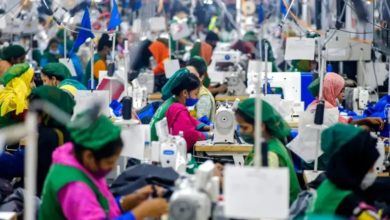
大量来自中国的便宜产品涌入 印尼纺织业明年或爆大裁员 28万人恐丢饭碗
(雅加达27日讯)印尼媒体披露,印尼劳工部副部长伊曼努尔表示,2025年纺织业裁员人数可能激增,裁员人数恐达28万。
《雅加达环球报》26日报道,伊曼努尔表示,根据他们所统计的数据显示,明年纺织业可能裁员28万人。
进口产品削弱竞争力
他透露,60家纺织公司正计划裁员,恐影响20万名员工,并称正努力防止裁员,不希望得出令人感到悲观的结论。
伊曼努尔说,印尼纺织业陷入困境的主因是“2024年第8号贸易部长令”,该命令放宽进口政策,以解决港口货柜拥塞问题,却导致更多原物料和制成品进入当地市场,包括电子产品、传统药物、化妆品、鞋类、成衣和配件,削弱印尼国内工业的竞争力,最终迫使企业裁员。
他表示,当局希望保护员工,这项规定对印尼纺织业带来重大风险,若修改进口法规或许可以解决裁员问题。
伊曼努尔强调,“我希望成为工业界、工人和政府之间沟通的桥梁,以应对纺织业裁员挑战”。
此前,《时代报》等多家印尼媒体多次报道,印尼纺织业正陷入困境,并将矛头指向中国便宜产品,指大量来自中国的便宜产品涌入市场,导致数十家纺织厂面临倒闭危机。
印尼纤维和长丝生产商协会(APSyFI)曾表示,纺织业已低迷一段时间,主要原因包括东盟与中国签订自由贸易协定后,加剧与中国便宜进口产品的竞争。
Friday, December 27, 2024
叙利亚的独裁者倒台让撒哈拉地区各军政权对与俄罗斯的联盟关系产生怀疑
法国费加罗报国际版 - 叙利亚的独裁者倒台,莫斯科既没有能力,也不愿意去干预,这让撒哈拉地区各军政权对他们的俄罗斯盟友是不是可靠有了怀疑。
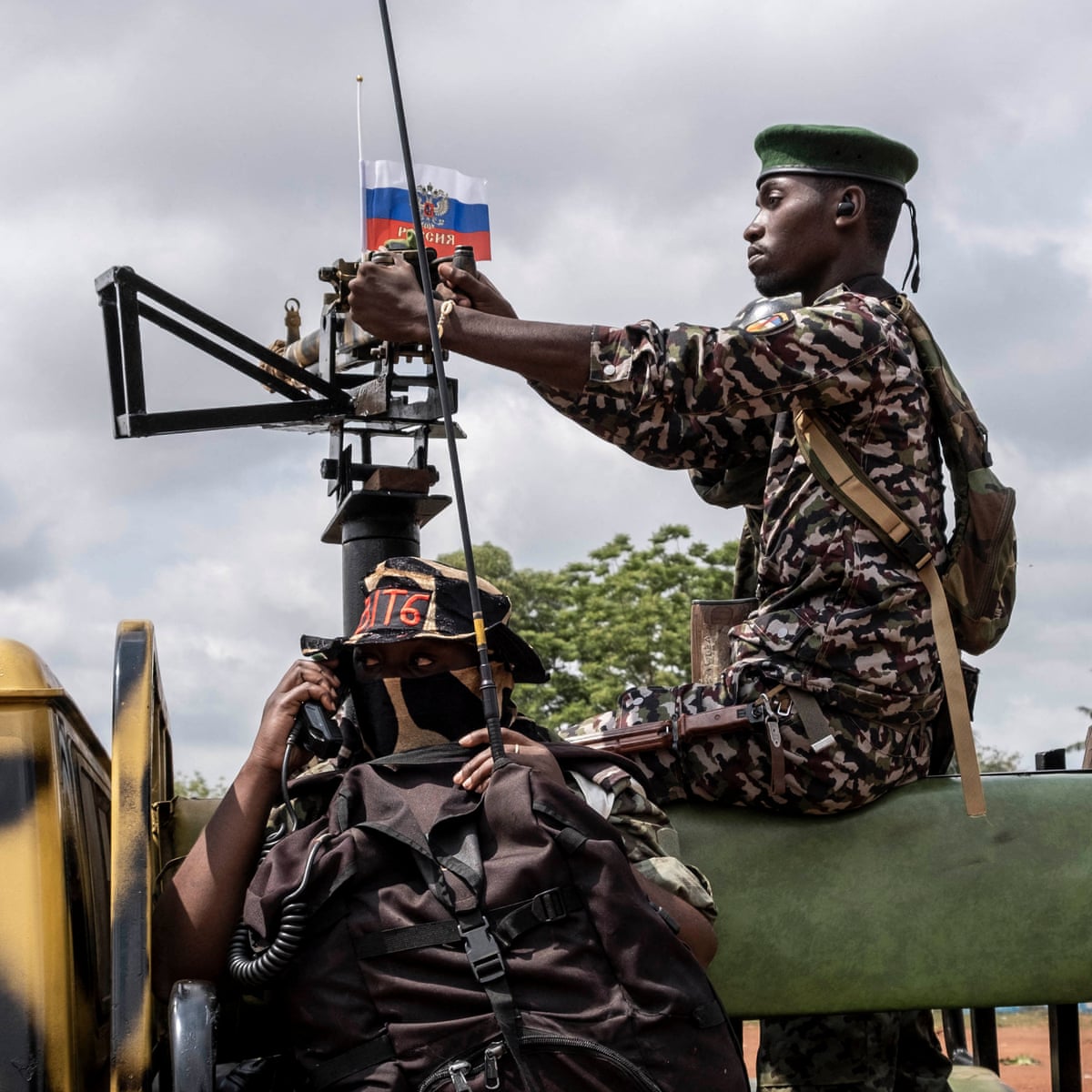 文章说,在非洲几个紧靠莫斯科的首都,大家对12月8日阿萨德的突然倒台非常焦虑。这件事情引发的疑问如果莫斯科不回答的话,恐怕他们在非洲的光环会受到严重影响。
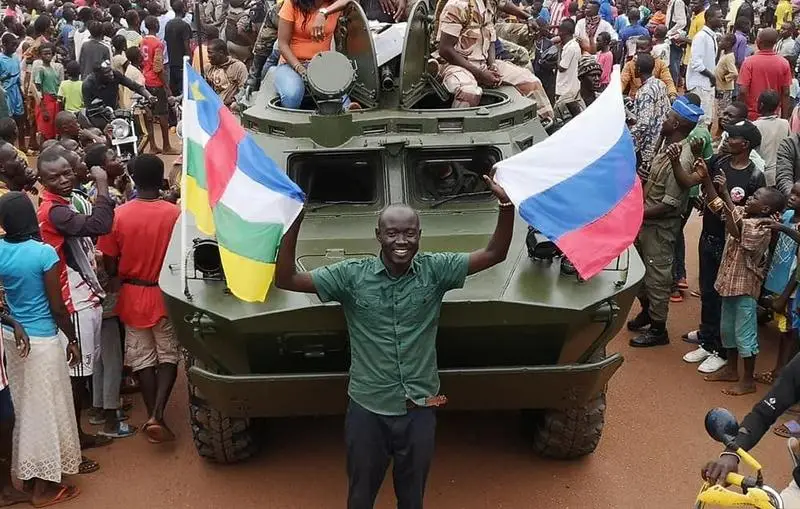 首先是后勤方面的。俄罗斯在叙利亚的军事资产、地中海塔尔图斯海上基地和赫梅米姆机场, 以后到底会怎么样? 现在还真的很难保证。如果莫斯科似乎仍然认为自己可以保下这些地方,那么俄罗斯人对叙利亚新主人沙姆解放组织 实施的暴力行动则让这种假设变得不那么牢靠。2015年以来部署在叙利亚的俄罗斯军队利用两个基地作为他们军事行动的后勤基地:首先是在北非,然后是撒哈拉和中非。他们的大型军用飞机没办法在俄罗斯和非洲那么远的距离之间直飞。
 从那时起,叙利亚的中途停留就很关键。特别是塔尔图斯港,它设备齐全,多年来被用作为运输大吨位货物的船只的服务或作为干脆作为储存地点。塔尔图斯港的损失将使瓦格纳和非洲军团的雇佣兵部队的后勤变得非常复杂。在马里,执政军政府在打击阿扎瓦德叛军的战争中很大程度上要靠这两家私营军事公司。在尼日尔和布基纳法索,现在兵力部署规模较小,但应该会要增加。至于中非共和国,普里戈津创办的公司现在代表了他们绝大部分的军事能力。
这大约 3,000 名人员的装备和食品供应需要安全的后勤线路。如果无法进入叙利亚,莫斯科可能会在利比亚东部重新部署。但这些地点位于昔兰尼加,一个更不稳定的地区, 它们更加不适合。班加西港跟俄罗斯人在塔尔图斯建造的设施是不能比的。莫斯科可以尝试加快与苏丹在2019年恢复的谈判,实现俄罗斯在红海建立海上基地的旧梦。然而,据《莫斯科时报》报道,由于担心美国做出反应,布尔汉将军政府可能会拒绝俄罗斯人的要求,但俄罗斯人之前可能承诺过会提供S-400航空电池和石油。
这些还只是物质上的问题,除了这些问题,更多的政治上俄罗斯还靠得靠不住的问题。巴沙尔·阿萨德的垮台无疑是由于他自己的军队的崩溃了, 他的传统盟友真主党因为要应付对以色列的战争而没空帮他。但俄罗斯空军没有干预没帮忙也是阿萨德垮台的原因之一。2015 年的时候,是俄罗斯空军救了叙利亚政府。
在马里、布基纳法索和尼日尔,莫斯科的这种消极态度引发了在撒哈拉地区掌权的各个部队的各种反应,他们有的很恼怒。他们在问:俄罗斯军队是因为在乌克兰战争中太投入了,受到影响,现在没有能力援助他们的“朋友”阿萨德了?还者对阿萨德的僵化和拒绝让步不耐烦了,抛弃了阿萨德去接近沙姆解放组织?
费加罗报说,无论是哪种情况,俄罗斯的这种退缩都加剧了人们对与俄罗斯的联盟关系的怀疑,这种怀疑已经削弱了盟邦们的信心。俄罗斯的可靠性和不可战胜的地位受到质疑。在班吉,普里戈津 2023 年夏季对莫斯科的叛乱影响到对俄罗斯总统的地位的信心,那里的官员们在问瓦格纳到底是克里姆林宫内部的一个小派别还是总统的竞争对手的组织?
在巴马科,不信任从今年夏天的乱局就开始了。7月,一队雇佣军和马里士兵在马里最北部的廷扎瓦廷附近遭到叛军控制,近60名马里私营军事公司成员被杀。这次惨重的失败导致俄罗斯和马里军官之间关系紧张,双方互相指责。
费加罗报饮用一位欧洲外交官的分析说: 我们可以理解,瓦加的军政府和巴马科的军政府都担心克里姆林宫放弃面临北方伊斯兰叛乱的盟友。我们绝不能忘记,非洲军队求助于克里姆林宫的主要原因是为了通过一位亲密的、可靠的、几乎不太约束他们的朋友来巩固他们的权力。如果这点做不到,合同就被打破了。
南京航空烈士馆 擅改二战军机涂装 青天白日变红星
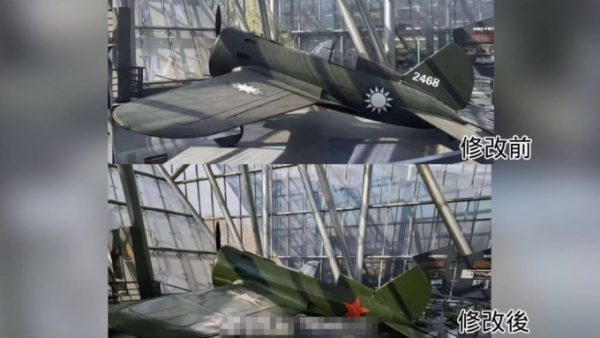
南京航空烈士馆 擅改二战军机涂装 青天白日变红星
(南京27日综合电)中国南京抗日航空烈士纪念馆内,原本展示一架二战时期中华民国空军I-16战机,机身有青天白日的涂装,但最近被发现已改为红星涂装。一些网友批评“太扯了”,认为无论如何应当要尊重历史。
中国社交平台微博认证为军事资讯博主的“金陵上空的鹰”23日发文,指南京抗日航空烈士纪念馆将抗战时期的中国空军伊16(I-16)战机模型涂装改成了苏联空军的红星涂装,并附上改造前后两张照片对比。
这则贴文说,在抗战期间,无论是中国空军还是苏联援华飞行队驾驶的I-16战机,都是标准的中国空军涂装,从未有过苏联空军的任何标识。“抗日航空烈士馆作为专业介绍空军抗日航空英烈的展馆,犯这种低级错误很不应该”。
网友“马观察家”致电南京航空抗日烈士纪念馆,证实了此事,馆方人员还称这是前苏联抗战时期援华飞机,改涂五角红星是“恢复原状”。
对此,一些军事历史迷皆嗤之以鼻,援引书籍指出,当时苏联低调支援中国战事,苏联志愿队所有飞机均按照中国空军的涂装规则包括标志、徽号、颜色等进行喷涂,这些标志甚至在抵达中国前就在工厂里喷好了。
“金陵上空的鹰”还贴出另一架被放在中国航空博物馆里的I-16照片,展示其涂装就是二战时中华民国空军机的模样,而非红星涂装。
对于这次战机的涂装篡改,一些网友留言:“太扯了”“这个确实没必要”“他们太怕了”;也有人指出这是符合当前风气的“红色改造”,迎合“政治正确”的做法,但“无论如何应该尊重历史”。
搜寻网友发布有关南京航空抗日烈士纪念馆的短影音可发现,2个月前发布的影片中,该馆展出都还是符合历史的I-16,但1个月前发布的影片,I-16涂装已经改变
日本前首相宫泽喜一 - “虽有随著生活水平提高,中国民主主义会扎根的说法,但我自己持怀疑态度。”
 解密文件:日本前首相宫泽喜一 预见中国军事崛起
“虽有随著生活水平提高,民主主义会扎根的说法,但我自己持怀疑态度。”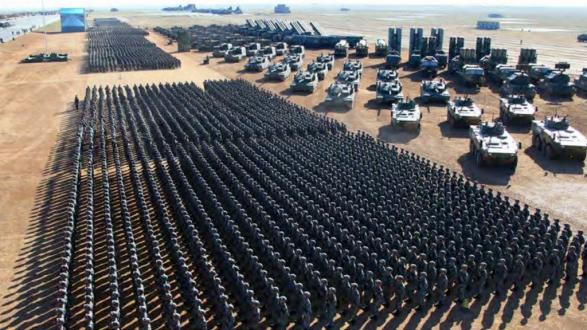 (东京26日讯)据周四解密的外交文件记载,1993年4月在美国华盛顿举行的日美首脑会谈中,日本首相宫泽喜一向美国总统克林顿称落后的中国可能实现经济飞跃式发展,并表示警惕称“有充分的馀地展露军事野心”。
 日本共同社报导,多名前官员和学者都表示“在那时很难想像”的中国军事崛起,而宫泽早在约31年前就已有所预见。
报导指,当时日本的经济实力远在中国之上。政治方面,不少观点认为1992年实现天皇访华后,日中关系较为稳定。在那样的时代背景下,宫泽已经开始警惕中国的军事大国化。 北海学园大学教授若月秀和(日本战后外交史)指出,“这在当时是少数派,很罕见。宫泽成功预测到了中国的未来”。
关于共产党领导下的中国是否会走民主化路线,宫泽表达了悲观看法。他回答克林顿的问题时称:“虽有随著生活水平提高,民主主义会扎根的说法,但我自己持怀疑态度。”
与宫泽的言论相关,外务省(外交部)事务次官小和田恒在1993年3月访美前的简报会上,向宫泽建议“长期来看如何认识和应对中国,需在日美间协调”。宫泽可能是接受了他的建议,事先已就其对中国的看法做了归纳总结。
日本前驻华大使宫本雄二在接受采访时回忆道:“在中国的改革开放政策还无法保证成功的那个阶段,完全没有感觉到中国的军事威胁。”
他还称:“宫泽是一流政治家,具备中国曾是大国的历史观,从现实主义角度类推出了军事大国化。”
中国共产主义青年团在新加坡成立党支部
 新国内政部调查网现“中国共青团”为“理工学院支部”招聘
(新加坡26日讯)一个署名“中国共产主义青年团”的职场社媒LinkedIn账号,上周发布招聘启事,声称要为新加坡的“义安理工学院党支部”,招募“党支部副书记”和“党支部秘书”。新加坡内政部表示,警方已接到报案,该部正在调查此事。 有关的招聘启事,在周一(12月23日)已从LinkedIn撤下,“中国共产主义青年团”账号也无法显示,目前无法确定有关账号是否与中国共产党或共青团有关。
义安理工学院发言人受询时说,作为一个教育机构,义安理工学院与任何政党都没有关联。院方已向LinkedIn举报招聘启事,要求将它们撤下。 该国内政部也说,新加坡政府绝不容许其他国家的政治被引入当地。外国人无论是访客、学生、就业人士还是居民,都不应在当地推展任何政治议程或活动。
“对于任何从事这类活动的个人或团体,我们将坚决依法处理。”

